First Impressions
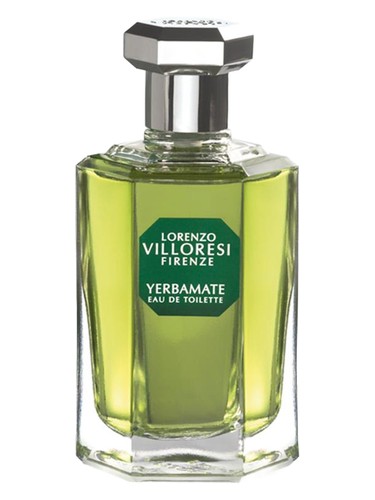
The first spray of Yerbamate is like stepping into a sun-drenched Argentine yerba mate plantation at dawn—dew still clinging to every leaf, the air humming with that peculiar green electricity that exists only in places where chlorophyll reigns supreme. Lorenzo Villoresi''s 2001 creation doesn''t ease you into its world; it plunges you headfirst into a maelstrom of verdant intensity. The mate note arrives with all the bitter-fresh complexity of the actual tea, flanked by a chorus of green notes, grass, mint, and tarragon that creates an almost disorienting abundance of botanical life. This is greenness not as a whisper or suggestion, but as a manifesto—the accord registers at 100%, and you feel every percentage point.
Underneath this emerald assault lies unexpected sophistication: ylang-ylang adds a subtle creaminess, Brazilian rosewood provides warmth, and citrus cuts through with sharp precision. The opening is simultaneously invigorating and contemplative, capturing that paradoxical quality of mate itself—a beverage that both energizes and centers.
The Scent Profile
Yerbamate''s evolution is less about dramatic transformation and more about deepening commitment to its green thesis. The top notes establish the framework: mate and tea create a tannic, slightly bitter foundation that reads as authentically herbaceous rather than perfume-abstract. The grass and green notes provide texture—think crushed stems rather than manicured lawns—while mint adds cooling punctuation. Tarragon contributes an anise-like complexity that prevents the composition from veering into simple freshness. The ylang-ylang and Brazilian rosewood feel almost subversive here, floral and woody elements that suggest there''s more sophistication lurking beneath all that verdancy.
The heart continues the green obsession with unwavering dedication. Mate and tea persist, now joined by hay that adds a dried, sun-warmed quality to balance the fresh grass. This is where Villoresi''s mastery becomes evident—the interplay between fresh and dried plant materials creates dimensional depth. Lavender enters with its aromatic 56% accord contribution, adding herbal complexity without pushing the composition into traditional fougère territory. The heart feels like a summer meadow caught between fresh growth and the first hints of harvest.
The base is where Yerbamate reveals its structural intelligence. Powdery notes (24% of the accord profile) soften the relentless greenness, while galbanum, vetiver, and oakmoss provide earthy grounding. The tea note persists even here, demonstrating remarkable longevity for what could have been merely ephemeral freshness. Patchouli, woody notes, and French labdanum create a subtle foundation that reads more as shadow and depth than distinct presence. Spices add warmth without heat. The base doesn''t abandon the fragrance''s green identity—it simply gives it roots.
Character & Occasion
The data tells a clear story: Yerbamate is a warm-weather daytime fragrance, and fighting against this destiny would be futile. Spring suitability registers at 98%, summer at 83%—these aren''t suggestions but imperatives. The fragrance thrives in temperatures that allow its fresh, aromatic character to bloom without overwhelming. Fall sees a 48% suitability rating, which makes sense when the weather still holds warmth; winter''s 13% reflects the obvious truth that this much greenness struggles when nature itself has gone dormant.
The day/night split is even more definitive: 100% day versus 20% night. Yerbamate is a fragrance for sunlight, for activity, for the hours when green things photosynthesize. Wearing it to an evening event would feel as incongruous as serving mate at a formal dinner—technically possible, but missing the point entirely.
Though marketed as feminine, the composition''s aromatic and woody elements (56% and 35% respectively) give it significant crossover appeal. This is botanical rather than floral femininity, making it ideal for anyone drawn to fresh, unconventional green fragrances regardless of gender identity. It suits the person who chooses herbal tea over wine, morning hikes over evening cocktails, linen over silk.
Community Verdict
With a 3.97 out of 5 rating across 721 votes, Yerbamate occupies respectable territory without quite reaching cult status. This rating suggests a fragrance that delivers on its promises but perhaps appeals to a specific rather than universal audience. Nearly 4 stars indicates quality and competence—voters recognize Villoresi''s skill—but the lack of that final star to push it toward transcendence hints at limitations. Likely, the fragrance''s unwavering commitment to greenness, while admirable, may be too singular for some palates. This is not a criticism but an acknowledgment that Yerbamate knows exactly what it is and refuses to compromise, which inevitably means some will find it brilliant while others find it monochromatic.
How It Compares
Yerbamate sits comfortably alongside Hermès'' garden trilogy, particularly Un Jardin en Méditerranée and Un Jardin Sur Le Nil, sharing their photorealistic botanical approach and Mediterranean/exotic plant inspirations. However, where the Hermès fragrances feel curated and refined, Yerbamate reads as wilder, more concentrated in its vision.
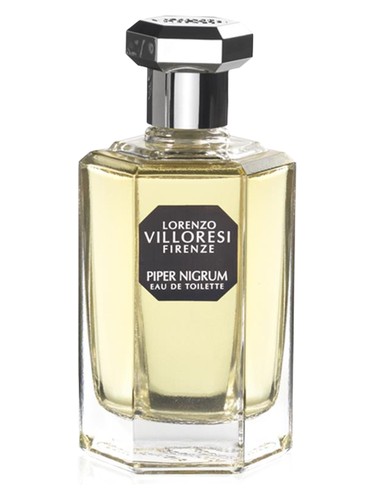
Villoresi''s own Piper Nigrum makes the similar fragrances list, suggesting his distinctive approach to spice and aromatic notes creates family resemblances across his line. Serge Lutens'' Fille en Aiguilles and Lalique''s Encre Noire represent the darker, woodier end of the spectrum—both share Yerbamate''s commitment to specific natural materials but explore shadow where Villoresi chooses light. Among these comparisons, Yerbamate distinguishes itself through sheer green intensity and its unique mate accord.
The Bottom Line
Lorenzo Villoresi''s Yerbamate succeeds precisely because it doesn''t try to be everything to everyone. This is a fragrance with a clear point of view, executed with technical skill and unwavering commitment. The 3.97 rating reflects not mediocrity but specificity—this is a very good fragrance for people who want exactly what it offers.
Who should seek it out? Those who find most fresh fragrances too safe or generic, who appreciate botanical accuracy over abstraction, who want greenness with depth rather than simple citrus-aquatic freshness. It''s ideal for warm-weather lovers who need a sophisticated alternative to typical summer fare, and for anyone who actually drinks mate and wants to smell like their morning ritual elevated to art.
The unknown concentration makes longevity predictions difficult, but the persistent tea note suggests reasonable staying power. At over two decades old, Yerbamate demonstrates that quality green compositions can transcend their era''s trends. In a market oversaturated with marine freshness and synthetic dewdrops, Villoresi''s grassy, tea-soaked vision feels both timeless and quietly radical—a reminder that nature''s green intensity needs no improvement, only skilled translation.
AI-generated editorial review