First Impressions
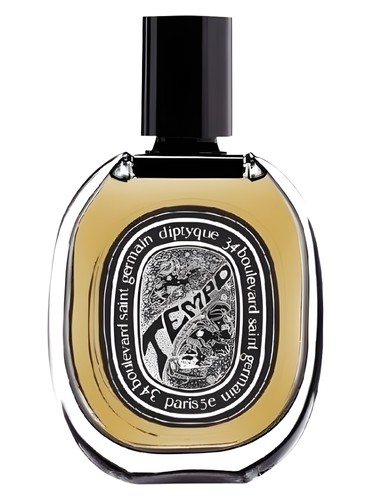
The first spray of Tempo Eau de Parfum delivers an immediate declaration of intent: this is aromatic perfumery at its most confident and uncompromising. There''s an instant rush of herbal clarity, verdant and alive, that announces itself without shouting. What strikes you within moments is the quality of the composition—this isn''t aromatic in the traditional fougère sense, nor is it the sharp medicinal variety. Instead, Diptyque has crafted something more contemplative, a scent that feels both ancient and utterly contemporary. The patchouli reveals itself almost immediately, not as an afterthought or base layer, but as a central character in this olfactory narrative.
The Scent Profile
While Diptyque keeps the specific note breakdown close to the vest, the accord structure tells a compelling story. The dominant aromatic profile (registering at a perfect 100%) establishes an herbaceous framework that feels simultaneously crisp and grounded. This isn''t the lavender-dominated aromatic of classic men''s cologne; it''s darker, more nuanced, with an almost meditative quality.
The patchouli accord (at 94%) forms the beating heart of Tempo, and it''s clear that Diptyque has sourced exceptional raw materials here. This is earthy patchouli in its most refined expression—not the headshop incense variety, but rather something that evokes damp forest floors, ancient wood, and mineral-rich soil. There''s a slight smokiness to it, a darkness that never becomes oppressive.
As the fragrance develops, the woody elements (66%) emerge to provide structure and depth. The wood notes here feel integrated rather than distinct, creating a seamless transition from the aromatic opening into something more substantial and enveloping. The spice profile reveals itself in layers: soft spicy warmth (57%) mingles with warmer, more traditional spice notes (47%), while fresh spicy elements (42%) prevent the composition from becoming too heavy or monolithic.
What''s remarkable is how these accords interact across the wear time. The progression feels organic rather than staged, as if the fragrance is breathing and evolving rather than simply revealing predetermined layers. The aromatic character never fully recedes, even as the woodiness intensifies and the patchouli deepens into something almost resinous.
Character & Occasion
Tempo''s versatility is one of its most impressive achievements. The community data reveals a fragrance that performs exceptionally in fall (100%) and remains compelling through winter (84%), which makes perfect sense given its earthy, grounded character. But what''s intriguing is its strong spring showing (68%)—this speaks to that aromatic freshness, the green vitality that keeps Tempo from feeling like a pure cold-weather scent.
The near-equal split between day (80%) and night (79%) wear suggests a rare chameleon quality. In daylight hours, Tempo projects confidence and sophistication without overwhelming; it''s appropriate for professional settings while remaining distinctive enough to feel personal. Come evening, those same qualities read as quietly elegant, the kind of scent that draws people closer rather than announcing your presence from across the room.
Though marketed as feminine, Tempo feels genuinely unisex in the best possible way. The aromatic-woody-patchouli axis doesn''t lean into traditional gender codes—it simply presents beautiful ingredients beautifully composed. This is a fragrance for anyone drawn to earthy sophistication, for those who appreciate restraint and quality over obvious seduction.
Community Verdict
With a rating of 4.17 out of 5 from 2,098 votes, Tempo has clearly resonated with a substantial audience. This is a notably strong score, particularly for a fragrance that eschews crowd-pleasing sweetness or obvious mass appeal. The voting numbers suggest genuine enthusiasm rather than mild appreciation—people who connect with Tempo seem to really connect with it.
The fragrance has found its audience among those seeking something intellectually satisfying as well as aesthetically pleasing. This isn''t a safe reach for everyone, and the community seems to appreciate that specificity of vision.
How It Compares
The comparison fragrances reveal Tempo''s sophisticated positioning. Links to Terre d''Hermès speak to that mineral earthiness and aromatic refinement. The connection to Tauer''s L''Air du Desert Marocain suggests shared DNA in creating evocative landscapes through scent. Encre Noire''s appearance confirms the quality of the dark, vetiver-adjacent woodiness, while Bal d''Afrique hints at the unexpected brightness that keeps Tempo from feeling austere. The Oud Wood comparison is perhaps most telling—both fragrances demonstrate how restraint and quality materials can create luxury without ostentation.
Where Tempo distinguishes itself is in its specifically aromatic focus. While several comparisons lean heavily woody or overtly exotic, Tempo maintains that herbal clarity as its signature, using patchouli and wood to support rather than dominate.
The Bottom Line
Tempo Eau de Parfum represents Diptyque doing what Diptyque does best: creating fragrances that feel both artful and wearable, challenging and accessible. At its price point, you''re paying for exceptional materials and thoughtful composition rather than marketing flash or celebrity endorsement.
This is a fragrance for the patient and the curious, for those who want their perfume to reward attention rather than simply announce presence. If you''re drawn to earthy, aromatic compositions, if you find yourself reaching for woody scents but want something with more character than conventional cedar and sandalwood offerings, Tempo deserves your consideration.
The strong community rating reflects genuine quality, and the versatility data suggests you''ll actually wear it rather than save it for imagined perfect occasions. In a market saturated with sweet, loud, or derivative offerings, Tempo''s quiet confidence feels almost radical.
AI-generated editorial review