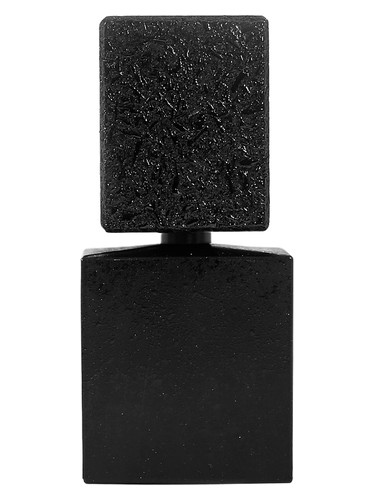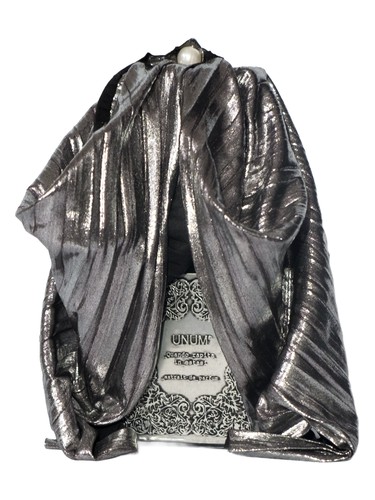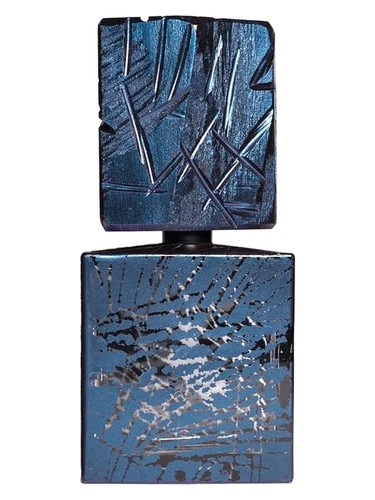
First Impressions
Spray Scusami on your skin and prepare for disorientation—the most delightful kind. This is a fragrance that operates in reverse, an olfactory palindrome that announces itself with what should be the finale. The opening salvo delivers musk, amber, and woods—materials typically reserved for the languid dry-down—while the brightest citrus notes lurk at the composition''s foundation. It''s as if Filippo Sorcinelli built a perfume pyramid, examined it critically, then flipped it on its head just to see what would happen.
The result is immediately arresting: a plush, almost velveteen wave of ambrette and fruity sweetness that feels simultaneously intimate and bold. There''s an inherent softness here, a kind of powdery radiance that suggests skin-scent intimacy rather than sillage-monster projection. Scusami—Italian for "excuse me"—seems to whisper rather than shout, though what it''s whispering is decidedly provocative.
The Scent Profile
The conventional wisdom of perfumery dictates that volatile, bright materials open a composition while heavier molecules anchor it. Scusami treats this wisdom like a suggestion rather than a rule. The listed top notes include cedar, sandalwood, patchouli, musk, and amber—a lineup that would make most base accords blush with recognition. Yet here they are, greeting your nose first, creating an unusual weightiness that defies the typical citrus-floral trajectory.
This woody-musky opening is tempered by an immediate fruitiness that registers at maximum intensity in the fragrance''s accord profile. The fruit isn''t crisp or tart initially; instead, it emerges as something almost jammy, sweetened, and abstract. The ambrette (musk mallow) contributes a peculiar floralcy that straddles the line between clean and animalic, adding complexity to what could otherwise be a straightforward sweet opening.
As Scusami unfolds, the heart reveals where much of that sweetness originates. Ylang-ylang brings its characteristic banana-custard richness, while rose and freesia provide floral backbone. Sugar is listed outright—a refreshingly honest admission in an industry that often obscures sweetness behind euphemisms. Cassis adds a dark berry tang, and lily-of-the-valley contributes its slightly soapy greenness. This combination accounts for the 90% sweet accord rating and helps explain the powdery quality that runs through the composition like a silk thread.
Then comes the most audacious aspect: the base. Where you''d expect vanilla, benzoin, or musks to anchor everything, Scusami instead offers mirabelle plum and a citrus trio of lemon, grapefruit, and bergamot. These bright, sparkly notes typically evaporate within minutes of application, but positioned as base notes, they create an almost hallucinatory effect—a subtle, persistent brightness that emerges hours into the wear. Heliotrope, with its almond-cherry sweetness, bridges the gap between the fruity heart and the citrus foundation, maintaining coherence in what could easily have been chaos.
Character & Occasion
With its all-seasons versatility rating, Scusami proves remarkably adaptable. The fruity-sweet dominance (100% and 90% respectively) might suggest a warm-weather fragrance, yet the woody undertones (76%) and powdery finish (52%) give it enough substance for cooler months. It''s the olfactory equivalent of a cashmere sweater in a shocking pink hue—substantial yet playful.
Interestingly, the data shows no strong preference for day or night wear, both registering at 0%. This neutrality actually makes perfect sense: Scusami is neither a bright, office-appropriate citrus cologne nor a heavy, after-dark seduction scent. It occupies a liminal space, equally at home during a late afternoon gallery opening or an intimate dinner. The fragrance seems designed for transitional moments, for the in-between times when you want to feel put-together without appearing like you''re trying too hard.
Marketed as feminine, Scusami''s abstract fruitiness and musky foundation could easily appeal to anyone drawn to sweet, unconventional compositions. This is for the person who finds linear fragrances boring, who appreciates when a perfumer takes risks.
Community Verdict
With 475 votes landing at a solid 4 out of 5 stars, Scusami has clearly resonated with those who''ve experienced it. This isn''t a niche curiosity languishing with a handful of reviews; nearly five hundred people have felt compelled to weigh in, and the consensus is decidedly positive. A 4-star rating suggests a fragrance with clear strengths and a defined point of view—something memorable enough to recommend, even if it might not be universally beloved.
The relatively high vote count for a Filippo Sorcinelli fragrance (a brand that operates in the artisanal niche space) indicates genuine interest and word-of-mouth momentum. People are seeking this out, experiencing it, and finding it worthy of discussion.
How It Compares
The listed similar fragrances offer intriguing context. Sharing DNA with Sorcinelli''s own Opus 1144 makes sense—there''s clearly a house style at play. But the comparisons to Tom Ford''s Black Orchid and Frederic Malle''s Portrait of a Lady are telling: these are fragrances unafraid of sweetness, of richness, of making a statement. Xerjoff''s 1861 Naxos brings its own honey-tobacco opulence, while Orto Parisi''s Terroni ventures into deliberately challenging territory.
What sets Scusami apart is its structural playfulness. Where Black Orchid goes gothic and Portrait of a Lady goes maximalist rose, Scusami opts for architectural experimentation. It''s less about bombast and more about rethinking the blueprint.
The Bottom Line
Scusami earns its 4-star rating through sheer audacity tempered with wearability. This isn''t a challenging fragrance in the sense of being abrasive or confrontational; rather, it challenges our expectations of how a perfume should be constructed. The inverted pyramid structure works because Sorcinelli has balanced the weight of woody musks with enough fruity sweetness to keep things approachable.
Is it perfect? The 4-star rating suggests room for improvement—perhaps the sweetness edges too saccharine for some, or the unconventional structure feels more gimmicky than genuinely innovative to certain noses. But for those tired of predictable floral bouquets or one-dimensional fruit cocktails, Scusami offers something genuinely different.
This is a fragrance for the adventurous, for those who view perfume as an art form rather than merely an accessory. At its best, it''s a wearable meditation on what happens when convention gets politely—excuse me, scusami—pushed aside.
AI-generated editorial review