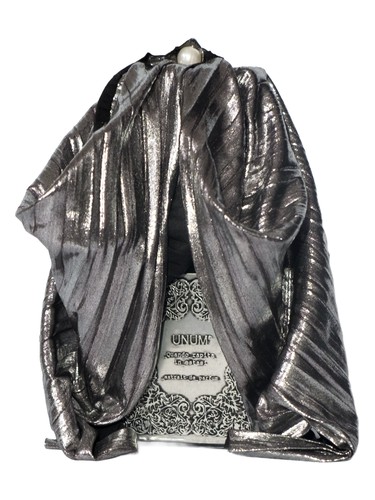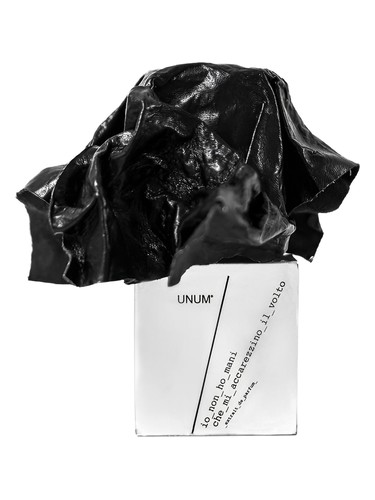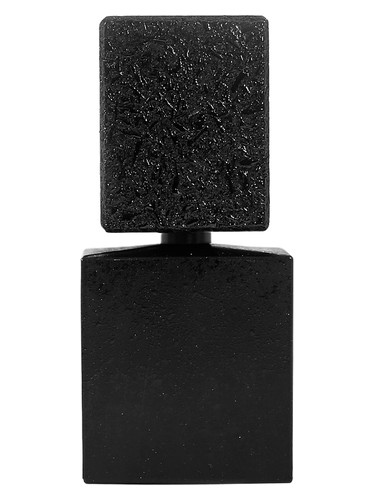
First Impressions
The name promises darkness, ennui draped in noir—and Filippo Sorcinelli delivers, though not in the way you might expect. The opening spray of ennui-noir reveals an intriguing paradox: aromatic lavender brightened by Mediterranean myrtle, yet somehow weighted with shadow. This isn''t the clean, soapy lavender of barbershops or the herbal brightness of Provence. Instead, Sorcinelli—the liturgical vestment maker and organist who approaches perfumery like sacred architecture—has crafted something that feels like incense smoke curling through a cathedral at dusk, if that cathedral happened to be lined with vanilla-soaked wood.
There''s an immediate richness here, a density that announces this fragrance as something substantial. The aromatic opening doesn''t sparkle or refresh; it broods, setting the stage for a composition that wears its feminine designation lightly, appealing to anyone drawn to perfumes that embrace complexity over convention.
The Scent Profile
Ennui-noir builds its cathedral from the ground up, and that foundation is unmistakably vanilla—the data confirms it as the perfume''s dominant accord at full intensity. But this isn''t bakery vanilla or the syrupy sweetness of gourmands. From the first moments, the lavender and myrtle create an aromatic halo that keeps the composition grounded in something darker, more contemplative.
As the fragrance settles into its heart, heliotrope emerges with its characteristic powdery-almond softness, adding an almost narcotic quality to the blend. Here''s where ennui-noir earns its powdery accord rating—that talc-like texture that feels vintage without being dated. The cedar introduces a woody backbone that prevents the heliotrope from becoming too sweet or one-dimensional. This middle phase is where the perfume''s architecture becomes clear: woody notes running at 95% intensity, creating a framework for everything else to cling to.
The base is where Sorcinelli''s vision fully materializes. Vanilla, patchouli, and vetiver interweave in a triumvirate that shouldn''t work on paper but proves magnetic on skin. The patchouli brings its earthy, slightly camphoraceous darkness, while vetiver adds a smoky, rooty dimension. Together with the vanilla—which by now has deepened into something almost resinous—they create a finish that''s simultaneously comforting and unsettling. The earthy accords, present at nearly 50%, ground the sweetness in soil and shadow.
This is vanilla for those who find most vanilla perfumes insufferably boring.
Character & Occasion
The community has spoken clearly about when ennui-noir thrives: this is autumn and winter perfume territory, rating at 100% and 92% respectively for those seasons. One spray makes the reasoning obvious. The density, the warmth, the way vanilla and patchouli wrap around you like a velvet coat—these characteristics demand cooler weather. Spring sees moderate success at 63%, but summer, predictably, scores only 32%. This isn''t a fragrance that breathes easily in humidity.
The day-night split reveals something fascinating: while ennui-noir functions adequately during daylight hours (63%), it truly comes alive after dark (89%). There''s something about evening that suits its melancholic sophistication, its refusal to be cheerful or uncomplicated. This is the perfume for gallery openings, late dinners, long conversations over wine, solitary walks through city streets when the crowds have thinned.
Marketed as feminine, ennui-noir transcends such simple categorization. The aromatic opening and woody-earthy foundation give it a structure that reads androgynous, appealing to anyone who appreciates perfumes that prioritize mood over gender marketing. It''s for those comfortable with complexity, who don''t need their fragrances to announce them from across a room but rather to create an intimate atmosphere for those who come close.
Community Verdict
With 912 votes yielding a 4.23 out of 5 rating, ennui-noir has earned genuine respect from those who''ve experienced it. This isn''t a massive sample size—Sorcinelli operates in niche territory, crafting perfumes that never achieve mainstream ubiquity—but the rating suggests strong appreciation among those who''ve discovered it.
That score places it firmly in "very good" territory, beloved by its admirers while perhaps remaining too challenging for universal appeal. The consistency of votes suggests this is a perfume that finds its people: those who seek it out tend to appreciate what Sorcinelli is doing, even if it doesn''t immediately seduce on first spray.
How It Compares
The comparison to Lalique''s Encre Noire makes immediate sense—both embrace darkness, woody depths, and a certain austere beauty. But where Encre Noire is all about vetiver''s ink-black starkness, ennui-noir softens its shadows with vanilla warmth. The parallel to Tauer''s L''Air du Desert Marocain speaks to shared aromatic intensity and spice-laden complexity, while the Musc Ravageur connection points to that similar trick of making sweetness feel provocative rather than pretty.
Within this constellation of dark, sophisticated fragrances, ennui-noir distinguishes itself through its particular vanilla-woody-aromatic balance. It''s more approachable than Orto Parisi''s often confrontational Terroni, more complex than Essential Parfums'' Bois Impérial, occupying a middle ground between accessibility and artistic audacity.
The Bottom Line
Ennui-noir represents Filippo Sorcinelli''s artistic vision in liquid form—contemplative, textured, unafraid of darkness but never nihilistic. At 4.23 out of 5, it''s earned its place among respected niche offerings, rewarding those willing to move beyond obvious fragrance choices.
The value proposition depends on your priorities. For someone seeking a unique vanilla-woody-aromatic composition that works best in cold weather evenings, this delivers something genuinely distinctive. For those who need versatility across seasons and occasions, the strongly seasonal nature might feel limiting.
Who should seek out ennui-noir? Anyone tired of conventional vanilla perfumes. Those who appreciate artistic perfumery that references liturgical traditions. People who read perfume names like "ennui-noir" and feel intrigued rather than put off. And anyone who''s ever wanted their fragrance to feel like a beautiful sadness—the kind that''s chosen, savored, and strangely comforting in its refusal to be simply happy.
AI-generated editorial review