First Impressions
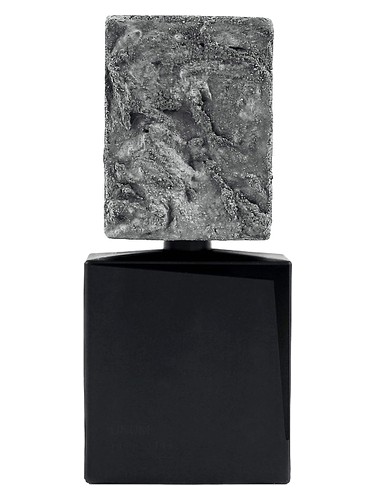
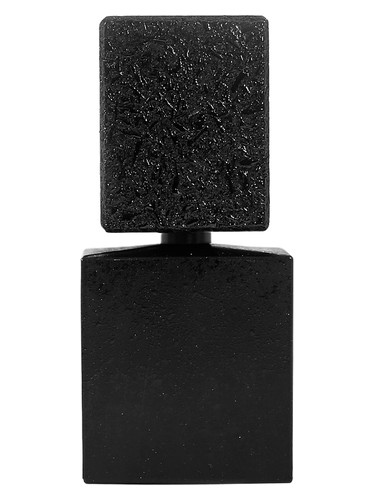
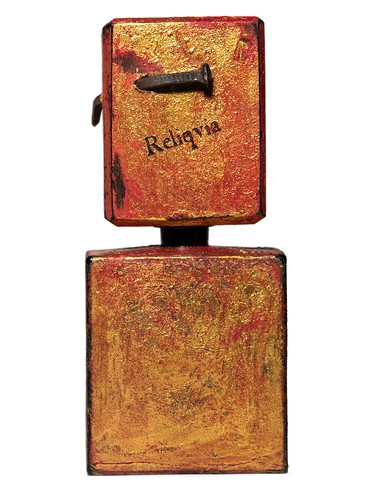
The first spray of Reliqvia feels like stepping through the heavy wooden doors of an ancient cathedral—not as a tourist, but as someone who knows the weight of ritual. Pine resin mingles with mastic''s mineral-green bite, while cloves punctuate the air with their sharp, numbing warmth. There''s orange blossom here too, but not the sunny, optimistic kind; this is the pale flower laid at an altar, its sweetness tempered by the solemnity of incense smoke that seems to drift through every molecule. Filippo Sorcinelli, himself an organist and liturgical vestment maker, creates fragrances that feel less like perfume and more like olfactory devotion. Reliqvia—Latin for "relics"—announces its sacred intentions immediately.
The Scent Profile
The opening is a study in resinous contrasts. Pine and mastic create a verdant, almost medicinal introduction, their green sharpness cut through with the sweet-spicy heat of cloves. Amyris adds a subtle woods note from the start, while orange blossom provides an unexpected softness, like candlelight flickering against stone walls. This isn''t a bright, fresh opening—it''s contemplative, dense, and slightly austere.
As Reliqvia settles into its heart, the composition reveals its true architecture. Incense takes center stage, supported by a quartet of woods—guaiac, sandalwood, cashmere wood, and patchouli—that create remarkable depth. The guaiac brings a medicinal, slightly smoky quality; sandalwood offers its creamy, milky smoothness; cashmere wood adds modern refinement; and patchouli grounds everything with its earthy darkness. This is where the fragrance''s 67% balsamic accord becomes apparent, creating that characteristic resinous thickness that clings to skin and fabric alike.
The base notes transform Reliqvia into something more complex than straightforward church incense. Smoke—rendered as an actual accord rather than just a byproduct—wraps around elemi''s peppery-citrus brightness. Sweet orange emerges more prominently here than in the opening, its zest cutting through the density. Nutmeg and tobacco add warmth and subtle sweetness, while black currant introduces an unexpected dark fruitiness that keeps the composition from becoming too austere. The result is a fragrance that maintains its 100% woody dominance and 70% smoky character while revealing surprising layers of complexity.
Character & Occasion
Reliqvia is unequivocally a cold-weather fragrance. The data tells the story clearly: 100% suited for fall, 98% for winter, dropping dramatically to 47% for spring and a mere 21% for summer. This is a perfume that needs the crisp air of autumn or the bitter cold of winter to truly sing. In heat, its density would likely become overwhelming; in cold, it creates an aura of warmth and contemplation.
The day/night split is equally revealing. While wearable during daylight hours (52%), Reliqvia truly comes alive after dark (85%). This makes perfect sense—it''s a fragrance for evening vespers, not morning prayers. Picture it for gallery openings in converted churches, late dinners by firelight, or simply those moments when you want to carry a sense of ritual into everyday life.
Marketed as feminine, though its 100% woody and 70% smoky profile easily transcends gender boundaries. This is for anyone drawn to serious, contemplative fragrances—those who appreciate when perfume serves as meditation rather than decoration.
Community Verdict
The Reddit fragrance community approaches Reliqvia with respectful appreciation, awarding it a 7.5/10 sentiment score. Their praise focuses on its quality as an incense fragrance suitable for serious collectors, particularly those building comprehensive incense-focused wardrobes alongside other niche offerings. Multiple members familiar with Sorcinelli''s liturgical-inspired work acknowledge Reliqvia as a competent, well-executed entry in his catalog.
However—and this is important—the community stops short of declaring it essential. The consistent thread through discussions is that Reliqvia represents "one solid option among many masterpieces rather than a must-have standout." It''s not specifically highlighted as a performance champion, with limited detailed discussion of longevity or projection. In comparison threads, it often finds itself overshadowed by other incense recommendations, positioned as a worthy consideration but not necessarily the first recommendation.
The consensus? Excellent for incense collectors completing their collections, appropriate for church or spiritual settings, and a reliable choice for evening wear. But perhaps not the revelation that converts skeptics or the benchmark against which others are measured.
How It Comparisons
Reliqvia shares DNA with some heavy hitters in the incense category. Sorcinelli''s own Quando rapita in estasi offers the closest familial resemblance, while Orto Parisi''s Terroni and Nasomatto''s Black Afgano operate in similar smoky-woody territory. Maison Margiela''s By the Fireplace provides a more accessible, sweeter take on smoke, making Reliqvia feel decidedly more austere by comparison. Within Sorcinelli''s own line, Lavs presents another liturgical meditation.
The comparison that emerges isn''t unfavorable—Reliqvia holds its own among these respected fragrances. But it also doesn''t dominate the category or offer something dramatically unique. It''s a beautifully executed theme within a well-explored genre.
The Bottom Line
With 1,124 votes averaging 4.05 out of 5, Reliqvia earns solid respect without quite reaching cult status. This rating accurately reflects its position: a high-quality, well-crafted incense fragrance that serves its purpose admirably without breaking new ground.
Should you seek it out? If you''re building a serious incense collection or if Sorcinelli''s particular liturgical aesthetic speaks to you, absolutely. If you have limited space and budget for just one or two incense fragrances, the community suggests you might find more distinctive options elsewhere. Reliqvia rewards those who appreciate subtle variations within a theme, who understand that not every fragrance needs to shout to earn its place. Sometimes, like the relics for which it''s named, value lies in quiet devotion rather than dramatic revelation.
AI-generated editorial review