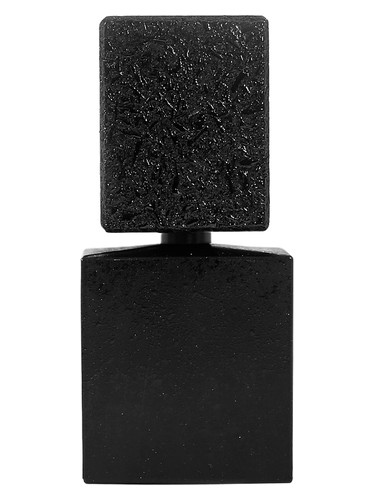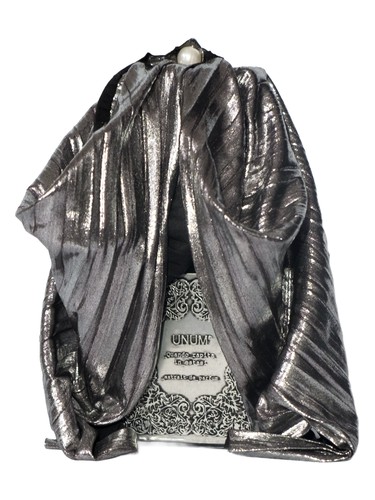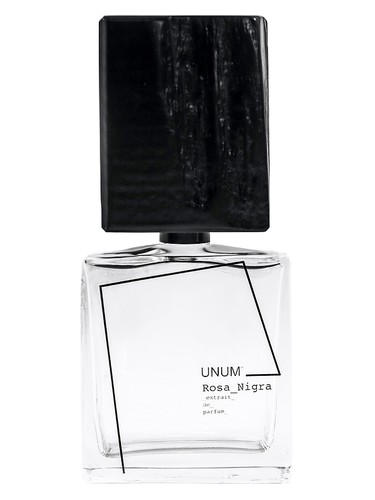
First Impressions
The first whisper of Rosa Nigra is a herbal incantation—artemisia''s bitter green edge colliding with anise''s licorice sweetness in a way that feels both medieval and modern. This isn''t the rose you were expecting. There''s no crimson velvet here, no dewy petals at dawn. Instead, Filippo Sorcinelli presents something darker, more enigmatic: a rose that blooms at twilight, wrapped in smoke and secrets. The opening feels deliberately disorienting, as if you''ve stumbled into an apothecary where remedies and poisons share the same shelf. It''s a bold introduction that immediately signals this won''t be a conventional feminine fragrance.
The Scent Profile
Rosa Nigra''s evolution is a study in controlled contradiction. That herbal-anise opening, arresting as it is, gives way within minutes to something unexpectedly tender. Peach emerges—not the sticky-sweet fruit of summer, but something more muted, almost dusty, like peach skin dried in autumn sun. Freesia adds a delicate floral whisper, while sandalwood introduces the first hints of the creamy woodiness that will define the fragrance''s true character.
The heart phase represents Rosa Nigra''s most intriguing transformation. The initial oddness mellows into something surprisingly wearable, though never conventional. That peach-freesia combination dances with sandalwood in a way that reads simultaneously retro and contemporary—there''s something distinctly vintage about the composition, a nod to the great powdery florals of decades past, yet executed with modern restraint.
But the base is where Rosa Nigra reveals its true nature. This is a musk-forward fragrance in every sense—the data shows musk as the dominant accord at full intensity, and it lives up to that billing. Yet this isn''t clean laundry musk or white musk transparency. The combination of musk with cashmere wood creates a soft, enveloping warmth that feels like the fragrance equivalent of candlelight. Vanilla and amber add sweetness, but it''s measured, never cloying. The overall effect is a powdery-woody embrace that sits close to the skin, intimate and oddly comforting despite the dark name.
The woody and powdery accords—registering at 75% and 74% respectively—work in tandem with that dominant musk to create what can only be described as a sophisticated, skin-like second layer. This is the kind of fragrance that prompts the "what are you wearing?" question, not because it projects aggressively, but because it creates an intriguing aura that draws people closer.
Character & Occasion
Rosa Nigra has found its sweet spot as a transitional seasons fragrance. The data reveals it''s most beloved in spring (100%) and fall (90%)—those in-between moments when the air holds both warmth and chill. This makes perfect sense. The herbal opening provides freshness for spring''s awakening, while the musky-woody base offers the comfort needed as leaves begin to turn. Even winter claims 59% approval, suggesting this fragrance has enough warmth to carry through colder months, though it might feel a touch light for the depths of January.
Interestingly, summer still registers at 53%, likely because Rosa Nigra never goes heavy despite its musk-forward nature. The powdery quality keeps it from feeling oppressive in heat, though it''s clearly not designed as a beach fragrance.
As a daytime scent, Rosa Nigra shines—that 90% day rating reflects its sophisticated wearability for professional settings and casual encounters alike. The 72% night rating shows it has enough depth for evening wear, though it won''t command a room the way some night-specific fragrances do. This is a perfume for intimate dinners rather than nightclub drama.
Community Verdict
With 437 ratings averaging 3.87 out of 5, Rosa Nigra has cultivated a solid, if not rapturous, following. This rating suggests a fragrance that''s genuinely good—well above average—but perhaps too distinctive or too subtle to achieve universal acclaim. The score reflects what Rosa Nigra truly is: a connoisseur''s choice rather than a crowd-pleaser. Those who love it likely love it deeply, while others might find themselves wishing for more projection or more obvious beauty. It''s the kind of rating that actually inspires confidence—high enough to signal quality, honest enough to suggest something genuinely interesting rather than safely likable.
How It Comparisons
The comparison set places Rosa Nigra in fascinating company. L''Eau d''Hiver by Frederic Malle shares that powdery-musky DNA, though Malle''s creation leans more hawthorn-forward. Musc Ravageur, also from Malle, confirms Rosa Nigra''s position in the sophisticated musk category, though Sorcinelli''s interpretation is decidedly more restrained. The mention of Shalimar is telling—there''s definitely a through-line to Guerlain''s legendary powdery sensuality, updated here for contemporary tastes. Baraonda by Nasomatto and Opus 1144 (Sorcinelli''s own creation) suggest woody-musky territory where warmth and slight oddness coexist comfortably.
Rosa Nigra stands as perhaps the most wearable of this group, lacking Musc Ravageur''s bombast or Baraonda''s challenging whiskey-woodsmoke intensity.
The Bottom Line
Rosa Nigra is a fragrance for those who find beauty in subtlety and intrigue in contradiction. It asks you to move past that challenging opening, to give it time to bloom on your skin, and rewards patience with a musky-woody embrace that feels both unique and oddly familiar. At 3.87 out of 5, it''s not trying to be everything to everyone—and that''s precisely its strength.
This is a fragrance for spring days when you want something more substantial than citrus, for fall afternoons that require elegance without weight, for anyone who''s ever felt that conventional roses were just too predictable. If you''re drawn to the artistry of Frederic Malle or the willful strangeness of niche Italian perfumery, Rosa Nigra deserves a place on your testing list. Just remember: the black rose takes time to bloom, and its beauty reveals itself to those willing to wait.
AI-generated editorial review