First Impressions
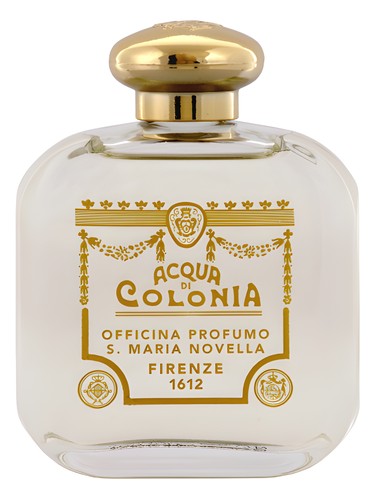
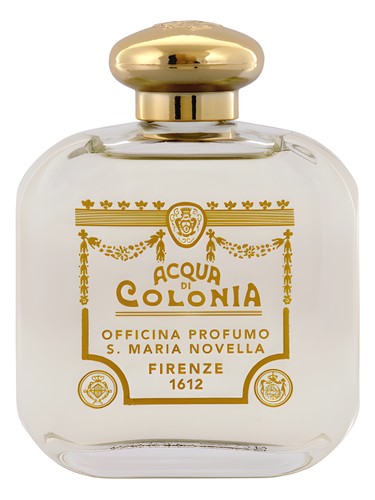
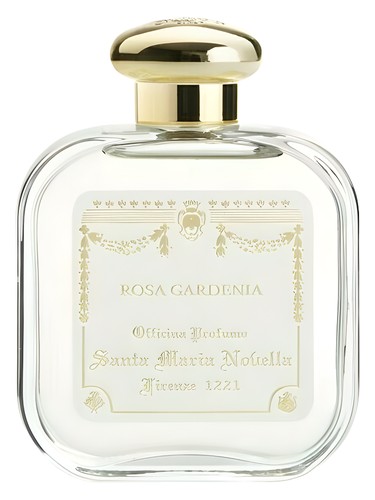
The first spray of Rosa Gardenia feels like stepping into a Florentine garden at dawn, where the air hangs heavy with white petals and the morning light catches on dewy leaves. There''s an immediate softness here—not the sharp, photorealistic rose you might expect, but something plush and enveloping. Almond blossom and orange blossom create a cushioned opening, their sweetness tempered by bergamot''s gentle brightness. This is Santa Maria Novella interpreting the rose through a lens of restraint and refinement, allowing the flower to breathe rather than demanding your attention with opulent grandeur.
What strikes you most in those first moments is the whiteness of it all. The dominant white floral accord—registering at 100% in the scent profile—announces itself not with volume but with texture. It''s the difference between silk and velvet, and Rosa Gardenia chooses velvet every time.
The Scent Profile
The composition unfolds with admirable clarity despite its complexity. Those opening notes of almond blossom and orange blossom provide a creamy, slightly nutty sweetness that frames everything to come. The bergamot acts as a subtle counterpoint, preventing the sweetness from becoming cloying while adding a whisper of citrus (registering at 29% in the accord profile).
As Rosa Gardenia settles into its heart, the Rose de Mai emerges—and this is where the fragrance earns its praise for that coveted centifolia character. It''s not the jammy, indolic rose of Turkish varieties, nor the tea-like delicacy of Chinese roses. This is plush, soft, and remarkably natural-smelling. The gardenia weaves through it, adding a creamy richness, while jasmine contributes a subtle animalic quality that keeps things interesting. The fig leaf—often an afterthought in floral compositions—adds an unexpected green dimension (29% green accord), a thread of verdancy that prevents the florals from becoming too powder-room pretty.
The base is where Santa Maria Novella''s classical sensibilities shine through. Musk, vanilla, and sandalwood create a foundation that''s comforting without being pedestrian. The vanilla remains restrained, never veering into gourmand territory, while the sandalwood adds a woody creaminess that complements rather than competes with the florals above. It''s a base built for longevity and elegance, allowing the rose and gardenia to fade gracefully rather than disappearing abruptly.
Character & Occasion
Rosa Gardenia occupies an interesting space in terms of wearability. The data suggests it''s appropriate for all seasons, and in practice, this makes sense. The composition is neither too heavy for summer''s heat nor too light for winter''s chill. That balanced quality—the interplay between citrus brightness and vanilla warmth—allows it to adapt to changing temperatures with grace.
Curiously, there''s no strong consensus on day versus night wear, suggesting this is a fragrance that transcends strict temporal boundaries. The white floral dominance and sweet undertones (32% sweet accord) could certainly carry you through evening events, while the green and citrus elements keep it appropriate for daytime wear. This is a fragrance for those who prefer their scents to whisper rather than announce, making it suitable for professional settings, intimate gatherings, or personal enjoyment.
The feminine classification feels accurate—not because men couldn''t wear it, but because it speaks in a distinctly floral vocabulary that skews traditionally feminine in its softness and petal-forward approach.
Community Verdict
The fragrance community''s relationship with Rosa Gardenia is notably complex, reflected in its mixed sentiment score of 6.5 out of 10. With a rating of 3.57 out of 5 from 432 votes, it sits firmly in respectable territory—appreciated but not universally beloved.
The praise centers on authenticity. Users consistently highlight the "beautiful, soft, and plush centifolia rose character," particularly when made with real centifolia oil. There''s genuine enthusiasm for how unique and distinctive this rose presentation is compared to typical rose fragrances on the market. For those seeking soft, plush florals, Rosa Gardenia delivers something genuinely special.
But here''s where reality intrudes: the cons list reads like a collector''s lament. "Difficult to source and often discontinued." "Centifolia rose oils are extremely expensive." "Limited availability of authentic formulations." These aren''t minor quibbles about longevity or projection—these are fundamental barriers to actually experiencing the fragrance. The community acknowledges that while the scent itself is praiseworthy, the practical challenges of obtaining it significantly impact its overall value proposition.
Multiple users suggest alternatives including Penhaligon''s Elisabethan Rose, Frederic Malle''s Lipstick Rose, and Diptyque Eau Rose, tacit acknowledgment that sourcing quality centifolia rose scents remains frustratingly difficult.
How It Compares
Positioned alongside similar fragrances like its sibling Rosa Novella (also from Santa Maria Novella) and heavyweight contenders like Delina by Parfums de Marly and Chanel No 5 Eau de Parfum, Rosa Gardenia carves out a softer, less assertive space. Where Delina leans into fruity sweetness and Chanel No 5 commands attention with aldehydes, Rosa Gardenia opts for gentle persuasion. Even the mention of Oud Satin Mood by Maison Francis Kurkdjian in the similar fragrances suggests a shared philosophy of plush, enveloping comfort—though Rosa Gardenia achieves this through white florals rather than oud.
Within Santa Maria Novella''s own portfolio, Rosa Gardenia represents the house''s continued commitment to classical floral compositions executed with quality materials and restraint.
The Bottom Line
Rosa Gardenia is a beautiful fragrance hamstrung by practical realities. If you can find it, and if the price doesn''t make you wince, you''ll discover a genuinely lovely interpretation of rose—soft, plush, and distinctive. That 3.57 rating from over 400 voters suggests solid approval, even if not universal adoration.
This is best suited for dedicated rose collectors, those who appreciate subtle florals over bombastic statements, and anyone willing to hunt for quality centifolia-based compositions. It''s a special occasion fragrance not because it''s particularly formal, but because its scarcity makes each wearing feel precious.
Is it worth the search and the investment? If you''re already deep into rose fragrances and seeking something with genuine centifolia character, probably yes. If you''re a casual fragrance wearer looking for an everyday rose, the alternatives recommended by the community might serve you better and prove far easier to acquire.
AI-generated editorial review