First Impressions
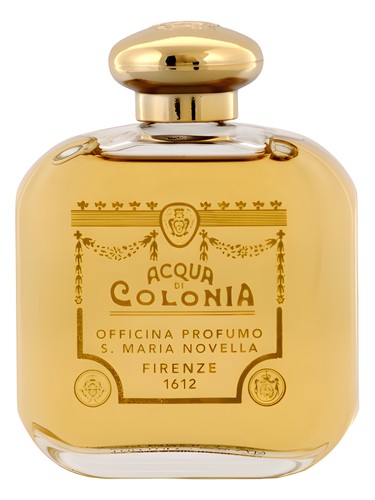
The first spray of Potpourri feels like stepping into a centuries-old Florentine pharmacy, where wooden drawers overflow with dried herbs and the air shimmers with medicinal resins. There''s an immediate brightness—bergamot and bitter orange cutting through the green, slightly camphorous presence of laurels—but this isn''t citrus as refreshment. It''s citrus as contrast, a beam of Mediterranean sunlight illuminating bundles of dried botanicals hanging from ancient rafters. Within moments, the aromatic accord dominates completely (registering at 100% in fragrance analysis), announcing itself with an assertiveness that either captivates or confounds. This is not a fragrance that whispers.
The Scent Profile
Potpourri opens with an intriguing trinity: laurels providing a green, slightly mentholated backbone, while bergamot and bitter orange add zesty brightness without veering into conventional cologne territory. The laurel note is particularly distinctive—not the culinary bay leaf you''d encounter in a kitchen, but something more astringent and medicinal, reminiscent of botanical preparations rather than culinary herbs.
The heart reveals where this fragrance earns its character. Cloves emerge prominently, contributing to that 98% fresh spicy accord and 55% warm spicy rating—a dual nature that makes Potpourri remarkably versatile across temperatures. But unlike the sweet, mulled-wine clove of winter fragrances, here it''s tempered by thyme, rosemary, and lavender. The result is a herbal-spicy composition that feels both ancient and oddly contemporary. The lavender avoids any soapy associations, instead playing a supporting role in this aromatic chorus, while rosemary adds a resinous, almost eucalyptus-like quality.
The base introduces grounding elements: Peru balsam brings a subtle vanilla-tinged warmth (accounting for that 36% balsamic accord), while patchouli (25%) and cedar (contributing to the 55% woody character) provide earthy stability. The patchouli here reads as dried earth and old wood rather than the hippie-headshop variety, and the cedar is soft, almost sandalwood-adjacent in its smoothness. Peru balsam acts as the binding agent, lending just enough sweetness to prevent the composition from becoming austere.
Character & Occasion
Despite its warm spicy elements, Potpourri proves most successful in fall (100% seasonal rating), though it maintains strong relevance in spring (69%) and winter (68%). Summer wears are possible (48%) but require a lighter hand—the aromatic intensity can become overwhelming in heat, though the fresh spicy accord provides enough lift to make it feasible for those who love herbal scents year-round.
This is overwhelmingly a daytime fragrance (94%), and that makes perfect sense. The aromatic-herbal character feels meditative and purposeful, appropriate for creative work, casual weekends, or any setting where you want to project thoughtfulness rather than seduction. That said, 55% find it wearable at night, likely in casual or intellectual settings rather than romantic ones.
While marketed as feminine, Potpourri reads decidedly unisex, if not outright masculine-leaning to modern noses. Those comparisons to Terre d''Hermès and Guerlain''s Vetiver aren''t accidental—this shares DNA with refined masculine fragrances that prioritize natural materials and restraint over bombast.
Community Verdict
The fragrance community rates Potpourri at 3.69 out of 5 stars across 535 votes—a respectable if not exceptional score that suggests a fragrance with devoted fans rather than universal appeal. Reddit''s r/fragrance community sentiment skews positive (8.2/10), with 13 documented opinions praising several key attributes.
The standout praise centers on uniqueness: users consistently highlight the "complex scents with interesting contrasts and depth" and "distinctive herbal and natural character that stands out." Longevity and projection earn particular acclaim, with wearers noting excellent performance despite the fragrance often feeling surprisingly light on the skin. The house itself receives kudos for "high-quality packaging and ordering experience."
The drawbacks prove significant: availability is severely limited, with "very limited availability and difficult to find samples" cited as the primary frustration. Most retailers require phone orders or in-person visits, making casual exploration nearly impossible. The fragrances themselves can be "polarizing or divisive in interpretation"—you''ll either find Potpourri fascinating or utterly bewildering, with little middle ground.
The community identifies ideal wearers as "adventurous fragrance enthusiasts seeking unusual scents" and "those who appreciate historical or vintage-inspired fragrances." The consensus? Santa Maria Novella fragrances possess "unique, ancient-feeling character and impressive performance," but the house''s severe scarcity of samples makes blind-buying a risky proposition.
How It Compares
The list of similar fragrances reads like a greatest-hits of sophisticated, nature-inspired masculines: Terre d''Hermès, Guerlain Vetiver, Serge Lutens'' Fille en Aiguilles, Tauer''s L''Air du Desert Marocain, and Tom Ford''s Oud Wood. What Potpourri shares with these is a commitment to natural-smelling materials and compositional restraint. Where it differs is in its unapologetically herbal character—while Terre d''Hermès leans mineral-citrus and Vetiver champions its namesake root, Potpourri occupies aromatic territory with almost monastic devotion.
Think of it as occupying the space between a classic barbershop fougère and a modern woody aromatic, but filtered through Renaissance-era Italian pharmacy aesthetics.
The Bottom Line
At 3.69 stars, Potpourri isn''t trying to please everyone—and that''s precisely its strength. This is a fragrance for those who find conventional perfumery too sweet, too loud, or too predictable. If you''ve ever wandered through a botanical garden at dusk or appreciated the smell of a well-stocked apothecary, Potpourri will resonate.
The accessibility issue cannot be ignored. Santa Maria Novella''s distribution model essentially requires commitment before discovery, which contradicts how most people explore fragrance today. For those willing to navigate that obstacle (or lucky enough to visit the Florence flagship), you''ll find a house producing genuinely distinctive work.
Who should seek this out? Anyone captivated by that list of similar fragrances. Anyone who finds most feminine marketing vapid and most masculine fragrances too aggressive. Anyone who considers fragrance an intellectual pursuit as much as a sensory one. Potpourri won''t be your most-complimented scent, but it might be your most personally satisfying—a meditation in a bottle, patiently waiting to be understood.
AI-generated editorial review