First Impressions
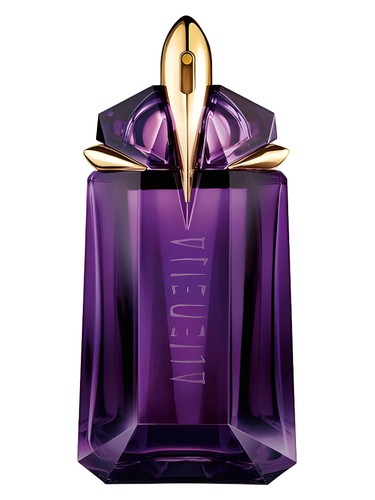
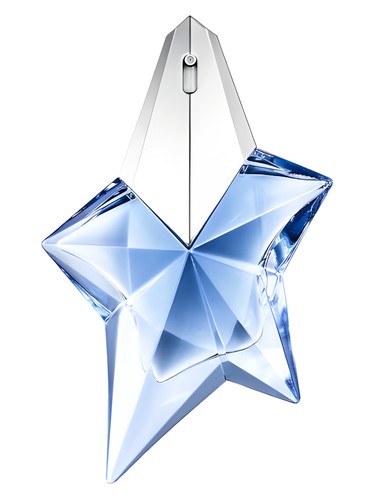
The first spray of Angel is an assault—and that''s precisely the point. A cloud of cotton candy sweetness erupts from the bottle, laced with tropical fruits and a whisper of something darker lurking beneath. This isn''t a fragrance that introduces itself politely; it announces its presence with the confidence of a perfume that knows it changed everything. Within moments, that initial sugar rush begins to reveal its complexity: coconut mingles with cassis, pineapple dances with bergamot, and somewhere in the distance, patchouli waits with patient inevitability. For those encountering Angel for the first time, the experience is rarely neutral—you''ll either lean in, captivated by its audacious sweetness, or step back, overwhelmed by its unapologetic intensity.
The Scent Profile
Angel''s structure reads like a maximalist''s dream, a perfume that refuses to choose between indulgence and restraint, ultimately embracing the former with both arms. The opening is a carnival of sweetness: cotton candy forms the sugary backbone while coconut adds creamy texture, and a fruit basket of melon, pineapple, and mandarin orange provides juicy brightness. Cassis lends a tangy edge, while jasmine and bergamot attempt—with varying success—to inject some elegance into the chaos.
As the fragrance settles into its heart, the composition becomes even more baroque. Honey drizzles over a compote of red berries, blackberry, plum, apricot, and peach, creating what can only be described as a fruit salad drenched in syrup. Florals—jasmine, orchid, rose, lily-of-the-valley—weave through this fruity abundance, while nutmeg and caraway add unexpected spicy punctuation. It''s a heart that refuses to be ignored, piling accord upon accord with the abandon of a perfumer unafraid of excess.
The base is where Angel reveals its true genius—or its fatal flaw, depending on whom you ask. Patchouli dominates here, earthy and green, providing the foundation that prevents the entire composition from collapsing into pure dessert territory. Chocolate, caramel, vanilla, and tonka bean create a gourmand trifecta that defined a generation of perfumery, while amber, musk, and sandalwood add warmth and depth. It''s a base that lingers for hours, sometimes days, embedding itself in fabric with the tenacity of a fragrance that knows it has something to prove.
Character & Occasion
With its omnipresent sweet profile—clocking in at a perfect 100% sweetness rating—Angel is decidedly a statement fragrance. The data suggests it works across all seasons, though this versatility comes with caveats that the community is quick to point out. The patchouli backbone (46% of its character) gives it enough earthiness to survive summer heat, while the caramel and vanilla notes (42% and 38% respectively) provide comfort in colder months.
This is unquestionably a feminine fragrance in its marketing, though its bold, almost aggressive personality transcends traditional gender boundaries. The absence of specific day/night recommendations in the data is telling—Angel creates its own atmosphere regardless of when you wear it. That said, its intensity and sweetness lean naturally toward evening wear, special occasions, and moments when you want to be remembered rather than merely noticed.
Community Verdict
The 49 Reddit opinions paint a picture of a fragrance community deeply divided, reflected in the middling 5.5/10 sentiment score. The polarization becomes immediately clear: Angel''s defenders speak of it as an iconic introduction to serious perfumery, praising its role as a gateway fragrance for those who love sweet, gourmand compositions. The Angel Nova variant receives particular praise as an affordable, fruitier alternative that captures some of the original''s magic.
The critics, however, are vocal and specific in their disappointments. The elephant in the room is reformulation—many assert that the current formula bears little resemblance to the 1992 original that built Angel''s legendary status. Where vintage wearers remember a balanced gourmand masterpiece, modern critics encounter a patchouli-forward composition with harsh, cold green notes that dominate the sweetness. Multiple reviewers describe it as "overpowering" and even "choking," with projection so aggressive it becomes unwearable even in cold weather.
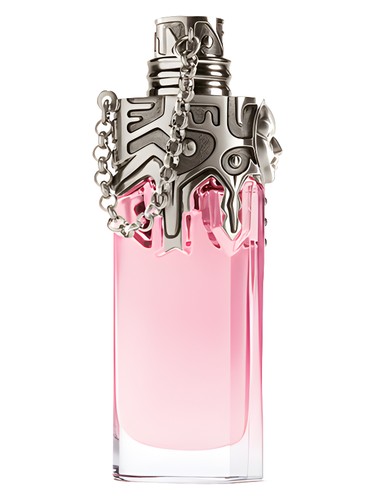
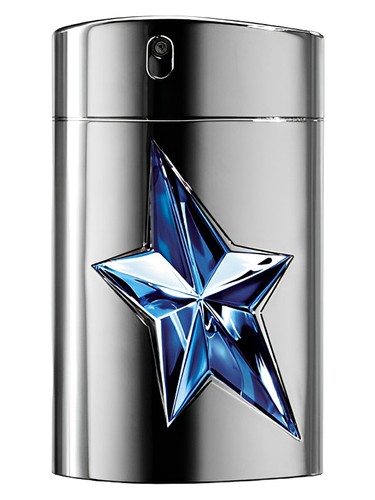
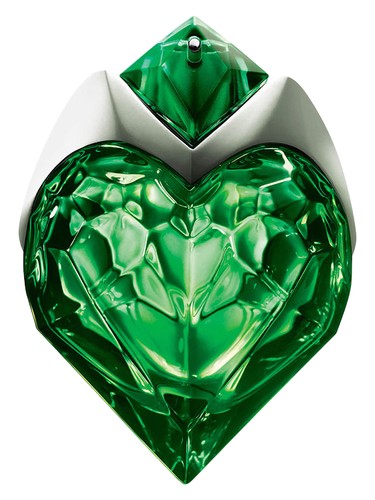
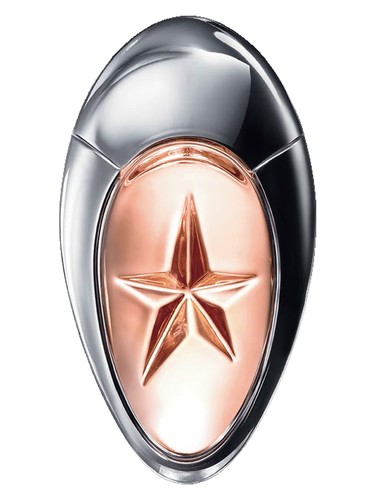
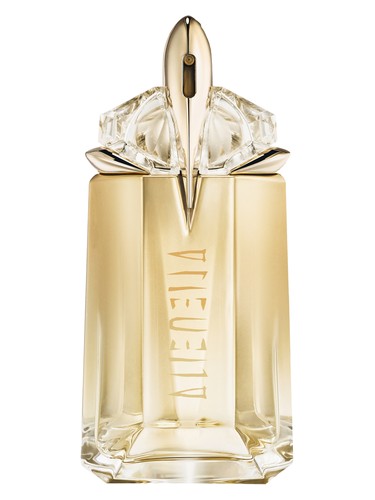
The proliferation of flankers—Nova, Elixir, Fantasm—adds to the confusion, with community members noting a frustrating lack of consistency and similarity across the line. For those seeking the Angel experience, the advice is clear: hunt down vintage formulations or embrace the Nova variant if you''re after accessible fruity sweetness.
How It Compares
Angel exists in rarified air as the perfume that essentially invented the modern gourmand category. Its DNA echoes through countless descendants: La Vie Est Belle by Lancôme offers a more wearable, crowd-pleasing sweetness; Black Opium by Yves Saint Laurent adds coffee to the sweet-patchouli formula; Poison by Dior shares Angel''s vintage boldness. Even Tom Ford''s Black Orchid, while darker and more resinous, owes something to Angel''s maximalist philosophy.
Yet none quite match Angel''s peculiar alchemy of sugar and earth, dessert and patchouli. With 33,725 ratings averaging 3.55 out of 5, it sits in a middle ground that reflects its divisive nature—too beloved to dismiss, too controversial to universally praise.
The Bottom Line
Angel demands a verdict as bold as its composition, but the truth is complicated. If you can source a vintage bottle from the 1990s or early 2000s, you''ll experience what made this fragrance legendary—a perfectly balanced gourmand that married sweetness with sophistication. The modern formulation, however, tells a different story, one that even devoted fans struggle to defend.
For those curious about Angel''s legacy, the Nova variant offers the most accessible entry point, delivering fruity gourmand pleasure without the polarizing patchouli intensity. Original Angel in its current form is best suited to those who actively seek dominant patchouli, who appreciate fragrances that challenge rather than comfort, or who want to understand a pivotal moment in perfume history—warts and all.
At its heart, Angel remains important rather than necessarily good, influential rather than universally wearable. It''s a fragrance worth trying once, if only to understand the revolution it sparked and the passionate debates it continues to ignite three decades later.
AI-generated editorial review