First Impressions
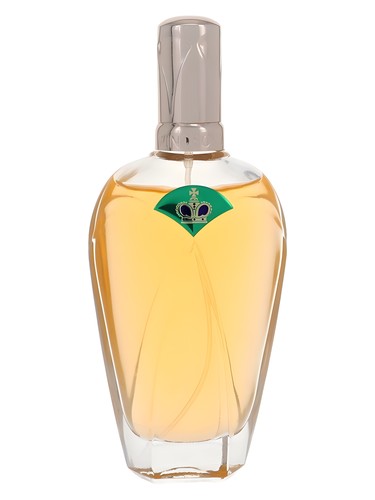
The first spray of Wind Song is like opening a time capsule filled with exotic spice merchants'' wares and sun-warmed citrus groves. There''s an immediate brightness—bergamot and mandarin dancing with neroli—but it''s undercut by something more intriguing, almost savory. That''s the coriander and tarragon making their presence known, herbs that smell green and slightly peppery, creating an aromatic halo around the citrus. This isn''t your typical floral fragrance opening. Instead, Prince Matchabelli''s 1953 creation announces itself with confidence: warm, spicy, and thoroughly aromatic from the very first moment.
The opening feels simultaneously vintage and surprisingly modern, a trick of composition that explains why Wind Song has survived seven decades in an industry notorious for disposability. There''s a complexity here that rewards attention, layers that reveal themselves gradually rather than shouting for immediate recognition.
The Scent Profile
Wind Song''s development is a masterclass in structured evolution. Those opening citrus and herb notes—coriander, tarragon, neroli, orange leaf, bergamot, mandarin, and lemon—create a bright, spiced canopy that lasts longer than you might expect. The coriander in particular adds a warmth that foreshadows what''s coming, while the tarragon brings an anise-like quality that keeps things interesting.
As the fragrance settles, the heart reveals itself as a spice lover''s dream. Carnation and cloves take center stage, creating that dominant warm spicy accord that defines Wind Song''s character. But this isn''t a one-dimensional spice bomb. The carnation, with its peppery-floral nature, interweaves with ylang-ylang''s creamy sweetness and jasmine''s indolic richness. Rose and orris root add a powdery sophistication, while Brazilian rosewood contributes a subtle woody-floral nuance that bridges the heart to the base.
This heart phase is where Wind Song truly shows its vintage pedigree—the bold use of carnation and cloves was characteristic of mid-century perfumery, when fragrances weren''t afraid to make statements. Yet the floral elements (registering at 65% in the accord profile) soften the spice just enough to maintain wearability.
The base is where Wind Song finds its equilibrium. Sandalwood, cedar, and vetiver create a woody foundation (98% in the accord structure) that grounds all that spice and florality. Musk adds skin-like warmth, while benzoin and amber contribute resinous sweetness and that telltale powdery quality (46% accord) that whispers "classic perfumery." The drydown is long-lasting and comforting, settling into something that smells both familiar and distinguished.
Character & Occasion
Wind Song is decidedly a daytime fragrance, and the community data bears this out—100% day versus just 40% night. This makes perfect sense when you consider its bright opening and aromatic character. It''s office-appropriate without being boring, sophisticated without being intimidating.
Seasonally, Wind Song shines brightest in spring (80% preference), where its aromatic and citrus qualities feel perfectly aligned with the season''s energy. Fall claims second place at 62%, which tracks with those warm spices and woody base notes. Interestingly, it manages nearly equal approval for summer (51%) and winter (49%), suggesting this is a fragrance with genuine versatility—rare for something with such a pronounced warm spicy character.
This is a scent for someone who appreciates perfumery history but doesn''t want to smell like a museum piece. It suits women who gravitate toward aromatic, spicy fragrances over candy-sweet florals or heavy orientals. There''s an elegance here, a refinement that suggests someone who knows what they like and isn''t swayed by trends.
Community Verdict
With a rating of 3.71 out of 5 from 653 voters, Wind Song occupies solid, respectable territory. This isn''t a cult favorite with a small but fanatical following, nor is it a blockbuster with universal appeal. Instead, it''s a well-regarded classic that delivers exactly what it promises. The rating suggests that those who seek it out generally appreciate what they find—a well-constructed vintage fragrance that hasn''t been reformulated into oblivion.
The substantial vote count indicates this isn''t an obscure curiosity but rather a fragrance that continues to attract interest decades after its release. That''s noteworthy in itself, speaking to Wind Song''s enduring appeal and accessibility.
How It Compares
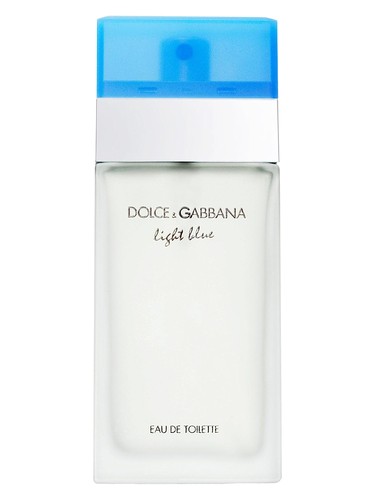
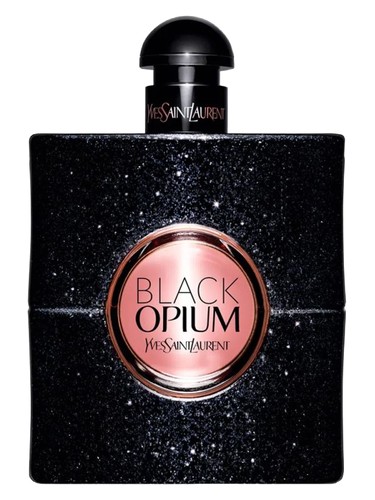
Wind Song finds itself in distinguished company. Its similarities to L''Air du Temps by Nina Ricci make sense—both are vintage florals with spicy elements and powdery drydowns. The comparison to Aromatics Elixir by Clinique highlights the aromatic character, while the link to Tabu by Dana emphasizes the warm spice angle.
More intriguing are the connections to Obsession by Calvin Klein and Coco Eau de Parfum by Chanel—both far more modern creations that nonetheless share Wind Song''s appreciation for spice, warmth, and complexity. This suggests that Wind Song helped establish a template that later perfumers would revisit and reinterpret.
Where Wind Song distinguishes itself is in its restraint. It''s spicy and aromatic without being overwhelming, floral without being cloying, woody without being austere. It occupies a middle ground that makes it more approachable than something as bold as Aromatics Elixir or as opulent as Coco.
The Bottom Line
Wind Song deserves its place in the pantheon of classic feminines. A 3.71 rating from over 650 voters represents genuine appreciation from people who''ve actually worn it, lived with it, and formed informed opinions. This isn''t a fragrance coasting on nostalgia alone.
For the price point of vintage Prince Matchabelli fragrances, Wind Song offers exceptional value. You''re getting a complex, well-structured composition that demonstrates what mid-century perfumery could achieve: balance, sophistication, and longevity. Is it groundbreaking? No. Will it convert those who hate spicy fragrances? Unlikely. But for anyone curious about aromatic classics or seeking a daytime scent with character and warmth, Wind Song is absolutely worth exploring.
Try it if you love aromatic spices, appreciate vintage florals, or want something that feels special for spring days without being overwhelmingly floral. Skip it if you prefer minimalist modern fragrances or sweet gourmands. Wind Song knows exactly what it is—and after seventy years, that kind of confidence never goes out of style.
AI-generated editorial review