First Impressions
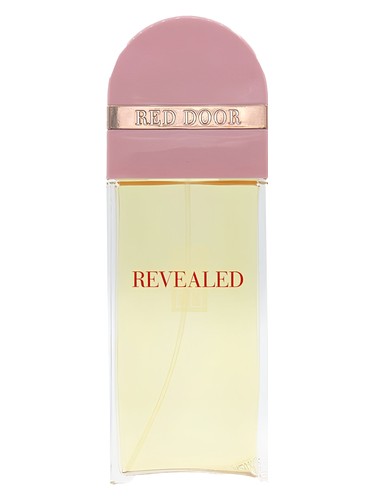
The first spray of Red Door Revealed feels like stepping into a sunlit conservatory where dewdrops still cling to petals. Unlike its more opulent predecessor, this 2003 flanker announces itself with a brightness that''s almost effervescent—pink peony unfurls alongside an unusual green orchid note, while pear adds just enough juicy sweetness to keep things from veering into formal territory. It''s Elizabeth Arden signaling a departure, a lighter touch, a fragrance that doesn''t demand the room''s attention but rather invites you closer. Within moments, you understand the name: this is the Red Door opened wide to let morning light stream through.
The Scent Profile
The opening act belongs entirely to that pink peony, a note that dominates the floral accord with its fresh, slightly peppery sweetness. The green orchid adds an intriguing botanical quality—not the creamy, indolic orchid you might expect, but something crisper, almost aqueous. Pear rounds out this trio with a subtle fruitiness that reads more as natural nectar than artificial candy. It''s a cheerful, optimistic opening that sets the stage beautifully.
As Red Door Revealed settles into its heart, the composition becomes considerably more complex. Bulgarian rose emerges as the centerpiece, lending that classic Arden sophistication, but it''s surrounded by a chorus of white florals that prevent any old-fashioned stuffiness. Lily adds clean elegance, while tiare flower and orange blossom contribute tropical warmth without overwhelming the composition''s essential freshness. Yellow champaca, less commonly encountered in mainstream perfumery, brings a tea-like, slightly fruity quality that bridges the gap between the rose and the sweeter elements. And then there''s plum—a soft, velvety touch that echoes the opening''s fruitiness but with more depth, more purple-hued richness.
The base provides just enough structure without weighing down this deliberately airy fragrance. Musk keeps things soft and skin-close, while guaiac wood and oakmoss offer a whisper of traditional chypre DNA—a nod, perhaps, to perfumery''s past without being beholden to it. Black amber adds warmth and a touch of sweetness that ties everything together, though this is decidedly not an amber-forward fragrance. The base serves the florals rather than competing with them.
Character & Occasion
Red Door Revealed knows exactly what it is: a daytime fragrance for spring and summer wear. The community data reflects this with striking clarity—spring scores a commanding 90%, while daytime wear reaches a perfect 100%. This isn''t a fragrance for winter evenings or dramatic entrances; it''s for garden parties, office environments where you want to smell polished but approachable, weekend brunch with friends, or any occasion where you want to radiate freshness without shouting about it.
The seasonal breakdown tells a compelling story. While spring reigns supreme, summer captures a respectable 55%, suggesting this fragrance handles warmth reasonably well—the white florals and fruity notes likely become more prominent in heat without turning cloying. The precipitous drop to 19% for winter confirms what the nose already knows: this is a warm-weather composition through and through.
Who is this for? The woman who appreciates classic femininity but wants it expressed in modern, wearable terms. Someone who reaches for floral fragrances but finds many contemporary options either too sweet or too minimalist. It''s accessible enough for fragrance newcomers while offering enough complexity to keep more experienced wearers interested.
Community Verdict
With 443 votes yielding a 3.75 out of 5 rating, Red Door Revealed occupies that interesting middle ground of solid approval without quite reaching cult status. This is a fragrance that people genuinely like—the rating suggests satisfaction, reliability, and quality without the evangelical fervor that pushes something into 4.5+ territory.
That score feels honest and fair. Red Door Revealed doesn''t reinvent the floral wheel, but it spins it with skill and grace. It''s not trying to be the most unique or most powerful fragrance in your collection; it''s trying to be the one you reach for on a beautiful spring morning when you want to smell like the best version of yourself.
How It Compares
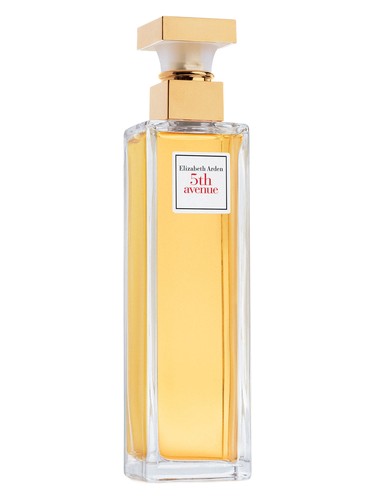
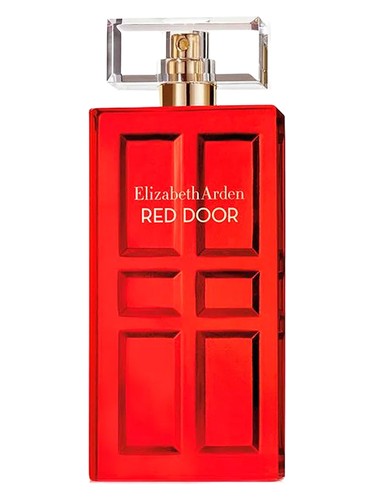
The similarity markers here are instructive. Sharing DNA with J''adore, Flowerbomb, and Amarige places Red Door Revealed firmly in the white floral category, though it''s decidedly softer and less intense than any of those powerhouses. Its closest relationship, unsurprisingly, is with the original Red Door and 5th Avenue—other Elizabeth Arden classics that balance traditional elegance with accessibility.
Where Flowerbomb goes big and sweet, and J''adore drapes you in golden florals, Red Door Revealed takes a more restrained approach. It''s the fragrance for someone who admires those compositions but wants something with better manners, something that won''t announce your arrival before you enter the room. In the Elizabeth Arden lineup, it sits perfectly between the bold statement of the original Red Door and the crisp urbanity of 5th Avenue.
The Bottom Line
Red Door Revealed succeeds at exactly what it sets out to do: provide a fresh, wearable, beautifully crafted floral fragrance for daytime spring and summer wear. Its 3.75 rating reflects neither obscurity nor mediocrity, but rather solid approval from those who''ve worn it. This isn''t a hidden gem waiting to be discovered by fragrance archaeologists, nor is it a disappointing flanker trading on a famous name.
For the price point—typically quite reasonable for Elizabeth Arden—this offers genuine value. The perfumery is competent, the balance is well-struck, and the wearability is exceptional. If you''re building a fragrance wardrobe and need a reliable spring floral that leans fresh rather than powdery, sweet rather than green, and classic rather than avant-garde, this deserves consideration. It won''t change your life, but it might just become the fragrance you wear more often than you expected—and sometimes, that''s exactly what you need.
AI-generated editorial review