First Impressions
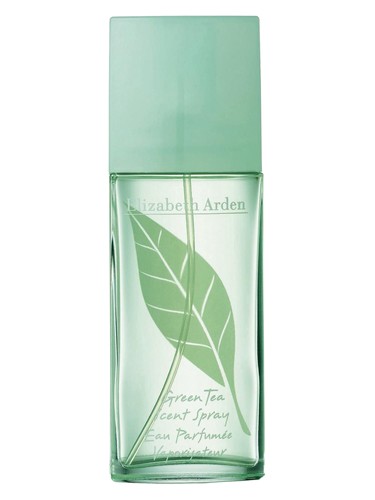
The first spray of Elizabeth Arden''s Green Tea is nothing short of a citrus assault—and that''s not necessarily a criticism, just a warning. This is lemon first, green tea second, delivered with the kind of unapologetic brightness that either awakens your senses or sends you reaching for the nearest tissue to blot it down. That initial burst combines tart lemon with bergamot, mint, orange peel, and an intriguing touch of rhubarb, creating an opening that reads less "serene tea ceremony" and more "freshly squeezed lemonade stand on a scorching afternoon." It''s intense, borderline sharp, and for some, exactly the invigorating jolt they''re seeking. For others, it''s a hurdle to endure before the fragrance settles into something more nuanced.
The Scent Profile
Elizabeth Arden''s 1999 creation is built on a foundation of contrasts—citrus dominance with green aspirations, freshness with unexpected spicy detours. The top notes explode with that aforementioned citrus medley: lemon and bergamot lead the charge, supported by cooling mint and orange peel, while rhubarb adds a tart, vegetal edge that hints at the green character to come. This opening phase is where the fragrance earns its 100% citrus accord rating and where opinions begin to split.
As the initial sharpness mellows, the heart reveals a more complex composition than you might expect from what appears to be a straightforward fresh fragrance. Jasmine and carnation provide floral softness, while fennel introduces an aromatic, slightly anise-like quality that reinforces the green-herbal impression. Musk and white amber add gentle warmth, and oakmoss brings an earthy, classic chypre-like depth that grounds the brighter elements. It''s here that the 90% green accord truly manifests, alongside the 61% aromatic character that distinguishes this from simple citrus colognes.
The base notes finally deliver on the fragrance''s titular promise, with green tea joining jasmine, musk, and oakmoss in a softer, more contemplative dry down. The inclusion of celery seeds, caraway, and cloves is unexpected—these spicy, herbaceous notes add texture and prevent the composition from becoming too sweet or one-dimensional. Amber provides warmth without heaviness, creating what many describe as a pleasant fruity-musky finish that bears little resemblance to the opening''s citrus bomb. This evolution is crucial: the fragrance you smell fifteen minutes after application is dramatically different from what first hits your skin.
Character & Occasion
Green Tea operates firmly in daylight territory—this is unquestionably a daytime fragrance, suitable across all seasons though it truly shines in warmer weather. The 47% fresh spicy and 38% fresh accords, combined with a subtle 15% ozonic quality, make it particularly effective as a summer casual scent and office-appropriate option. It''s the fragrance equivalent of a crisp cotton shirt: clean, unpretentious, and universally acceptable.
The profile suggests someone seeking an easy-wearing, low-commitment scent for hot weather days, running errands, or professional settings where subtlety is valued. With its citrus-forward personality and eventual green-musky character, it avoids the trap of being too sweet or too heavy for sweltering temperatures. The multiple flankers in the Elizabeth Arden Green Tea line also mean wearers can explore variations on the theme once they''ve established whether the original resonates with them.
Community Verdict
The fragrance community grants Green Tea a solid 7.2 out of 10 sentiment score, based on 47 opinions—a respectable showing that reflects genuine appreciation tempered by realistic expectations. The 3.85 out of 5 rating from over 15,000 votes reinforces this middle-ground position: well-liked, not worshipped.
The most consistent praise centers on accessibility and value. This is an affordable fragrance available at drugstores and department stores alike, making it an easy recommendation for those new to fragrance or working within budget constraints. Community members appreciate how it transforms during wear, with many noting the dry down is significantly more pleasant than the opening suggests. As a summer casual option, it delivers exactly what''s needed without demanding attention or investment.
The criticisms are equally consistent. That initial spray is polarizing—too sharp, too lemony, too much for some noses. More significantly, many argue it doesn''t deliver an authentic green tea experience, instead presenting as lemon-iced tea or citrus-musk with green tea as an afterthought. Longevity is another common complaint, with the fragrance fading faster than premium alternatives. Perhaps most damning, community consensus suggests that better tea fragrances exist at similar or slightly higher price points, making Green Tea a decent but not definitive choice in its category.
How It Compares
The similar fragrances list reads like a who''s who of approachable feminine freshness: Hermès Un Jardin Sur Le Nil, Moschino Cheap & Chic I Love Love, Dolce & Gabbana Light Blue, and even Chanel''s Coco Mademoiselle and Chance Eau Tendre appear as comparison points. This positioning is telling—Green Tea sits in conversation with both budget-friendly options and luxury alternatives, occupying a middle space that''s accessible in price but aspiring in composition.
Against these comparisons, Elizabeth Arden''s offering holds its own on value but may fall short on complexity and longevity. The Hermès, in particular, represents a more sophisticated take on green freshness, while the Chanel fragrances bring polish and lasting power that justify their higher price tags.
The Bottom Line
Twenty-five years after its 1999 launch, Green Tea remains relevant primarily as an affordable entry point into fresh fragrances rather than as a definitive statement in tea-inspired perfumery. That 3.85 rating from over 15,000 voters represents a collective shrug of approval—good enough, pleasant enough, affordable enough.
The fragrance succeeds if you approach it with appropriate expectations: this is budget-friendly summer refreshment, not an olfactory meditation on Japanese tea ceremonies. If you can weather (or even enjoy) the citrus-forward opening and don''t demand marathon longevity, the eventual green-musky dry down offers genuine pleasure. The accessibility factor shouldn''t be underestimated—sometimes the best fragrance is simply the one you can grab easily and wear without overthinking.
Who should try it? Budget-conscious buyers seeking office-safe summer scents, fragrance newcomers wanting to explore fresh-green territory without financial risk, or anyone needing an undemanding warm-weather staple. Who should skip it? Those seeking authentic tea experiences, anyone put off by intense citrus openings, or collectors willing to invest slightly more in superior alternatives. Green Tea knows exactly what it is—and for many, that straightforward honesty is refreshing enough.
AI-generated editorial review