First Impressions
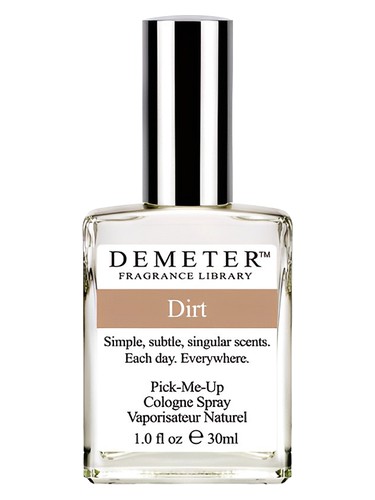
Spraying Dirt for the first time is an act of olfactory courage. There''s no floral veil, no sweetness to soften the landing—just the immediate, unmistakable scent of earth itself. This is Demeter Fragrance at its most literal and perhaps most polarizing: a composition that smells exactly like its name promises. The opening brings you face-to-face with wet, mineral-rich soil, the kind you''d encounter after rain has kissed a garden bed or when you''ve just overturned fresh ground in spring. It''s jarring if you''re expecting traditional perfumery, but oddly comforting if you''re willing to suspend your expectations of what fragrance should be.
This isn''t pretty. It''s real. And that distinction matters enormously in understanding what Demeter has created here.
The Scent Profile
Dirt operates outside the conventional structure of top-heart-base note progression. Instead, it presents as a singular, unwavering earthy accord that dominates from first spray to final fade. The fragrance reads as 100% earthy—no distractions, no detours, no apologies.
What you experience is the petrichor-adjacent scent of damp earth: mineral, slightly metallic, with that peculiar freshness that comes from organic matter and moisture combining. There''s a coolness to it, like soil that hasn''t yet been warmed by afternoon sun. Some noses detect hints of what might be interpreted as vegetable greenness—the ghost of roots and tubers—while others find a faintly musty quality reminiscent of a potting shed or greenhouse floor.
The linearity is both Dirt''s defining characteristic and its limitation. Where traditional perfumes unfold and transform, this one maintains its earthen character steadfastly. It doesn''t bloom; it doesn''t sweeten; it doesn''t warm. The soil you smell in the first five minutes is essentially the soil you''ll smell an hour later. For some, this consistency is meditative. For others, it''s monotonous. The community''s 3.9 out of 5 rating from 618 voters suggests a split verdict—many appreciate the audacious authenticity, while others find it challenging to wear.
Character & Occasion
The data tells a compelling story about when Dirt truly shines. With 86% seasonal suitability for spring and 83% for fall, this is clearly a fragrance for transitional weather—those moments when the earth itself is most active and alive. Spring captures the scent of garden awakening, of planting season, of renewal emerging from mud. Fall echoes harvest time, the turning of compost, the preparation of ground for winter rest.
Summer holds moderate appeal at 50%, likely for those rainy days or early morning garden sessions. Winter, at just 25%, makes sense—there''s little warmth here, and frozen ground doesn''t smell like much of anything.
The day-versus-night breakdown is even more definitive: 100% day, 27% night. Dirt is emphatically a daylight fragrance. It belongs to morning walks, outdoor activities, gardening sessions, or those moments when you want to carry a piece of the natural world with you. Wearing this to an evening event would be deliberately avant-garde, a statement rather than a social grace.
Who wears Dirt? Those who find comfort in nature''s less conventionally beautiful aspects. Gardeners, certainly. Artists and creatives who appreciate conceptual boldness. People who''ve grown weary of safe, pretty fragrances and want something that provokes genuine reaction.
Community Verdict
With 618 votes tallying to a 3.9 rating, Dirt has clearly found its audience while remaining divisive enough to keep it from universal acclaim. This isn''t a crowd-pleaser, nor does it try to be. The rating suggests that those who connect with its uncompromising earthiness connect deeply, while others respect the concept without necessarily wanting to wear it themselves.
The substantial vote count indicates genuine interest—this isn''t an obscure curiosity but a recognized entry in Demeter''s catalog that continues to attract curious noses. The near-4-star rating from over 600 people validates that Dirt succeeds at exactly what it sets out to do, even if what it does isn''t for everyone.
How It Compares
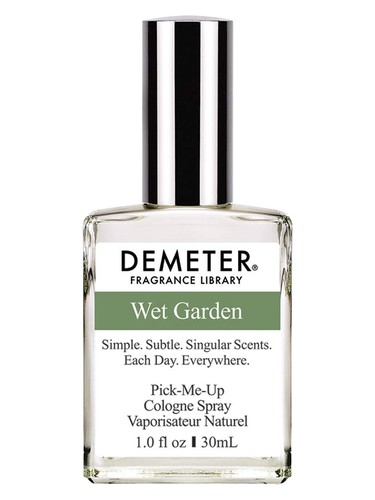
Demeter''s own Wet Garden offers an interesting comparison point—presumably adding floral or green elements to a similar earthy foundation. The inclusion of Black Orchid by Tom Ford and Angel by Mugler among similar fragrances initially seems baffling until you consider shared elements: Black Orchid''s earthy patchouli darkness, Angel''s occasional greenhouse-like moments. Encre Noire by Lalique shares vetiver''s woody-earthy character, while Dune by Dior captures desert earth rather than garden soil.
What sets Dirt apart is its refusal to prettify. Where those fragrances use earthiness as a component within broader compositions, Dirt makes it the entire story. It''s reference-grade earth scent—what perfumers might study when formulating more wearable earthy accords.
The Bottom Line
Dirt succeeds brilliantly at a very specific, very narrow goal: smelling exactly like fresh soil. Whether that constitutes a wearable fragrance depends entirely on your relationship with both perfume and the natural world.
At 3.9 stars, it''s well-liked within its niche. The rating neither suggests masterpiece status nor warns you away—it honestly reflects a polarizing concept executed with conviction. For the price point typical of Demeter offerings, it''s a worthy experiment for the curious and a genuine tool for those seeking authentic earthiness.
You should try Dirt if you''ve ever buried your hands in garden soil and felt genuinely peaceful. Skip it if you need your fragrances to flatter, seduce, or comfort in conventional ways. This is fragrance as olfactory art project—challenging, genuine, and unapologetically itself.
AI-generated editorial review