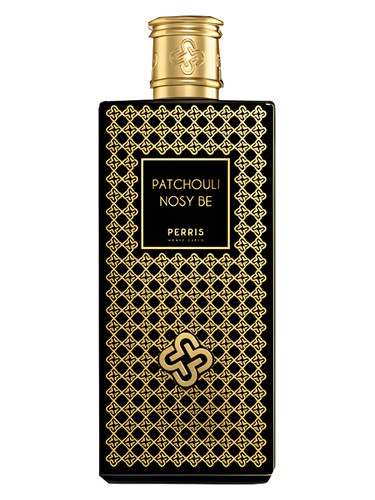
First Impressions
The first spray of Patchouli Nosy Be transports you immediately to its namesake—the small island off Madagascar''s northwest coast, famed for its ylang-ylang and, tellingly, its exceptional patchouli. But this isn''t the head-shop patchouli of decades past. Perris Monte Carlo opens the bottle with intention: pink pepper dancing alongside earthy patchouli, creating an introduction that''s both grounded and lifted, familiar yet refined. There''s an immediate warmth here, a suggestion of the chocolate-inflected heart that awaits, but first you''re invited to appreciate the quality of the star ingredient in its purest form.
The Scent Profile
Patchouli Nosy Be reveals its architecture gradually, though it announces its woody dominance from the outset. The top accord pairs patchouli—raw, green, and slightly medicinal—with pink pepper''s subtle heat. This isn''t the aggressive spice of black pepper; rather, it''s a gentle fruity-floral warmth that adds dimension without overwhelming the earthy protagonist.
As the fragrance settles into its heart, something remarkable happens: cacao emerges, not as sweetness but as depth. This is dark chocolate territory, bitter and sophisticated, enhanced by labdanum''s resinous, amber-like character. The combination creates a balsamic richness that transforms the patchouli from simple earthiness into something more complex—imagine the dark soil of a cacao plantation, mineral-rich and alive.
The base is where Patchouli Nosy Be truly establishes its identity. Patchouli continues its reign, now softened and rounded by vanilla that reads more creamy than sugary. Sandalwood and cedar provide a woody scaffold, creating a structure that''s simultaneously grounding and enveloping. The vanilla here serves not to sweeten but to smooth the edges, allowing the patchouli and woods to maintain their dignity while becoming more approachable. It''s a masterclass in balance—the 100% woody accord rating makes perfect sense, as does the 75% warm spicy and 67% patchouli presence. The 50% cacao accord is the surprise element that elevates this beyond typical patchouli compositions.
Character & Occasion
This is autumn''s embrace in liquid form. The data tells the story clearly: 100% recommended for fall, 99% for winter, dropping precipitously to just 17% for summer. Patchouli Nosy Be is a cold-weather companion, designed for layering under wool coats and cashmere scarves. Its warmth becomes almost therapeutic when temperatures drop, the woody-spicy composition seeming to generate its own heat.
Interestingly, while marketed as feminine, the fragrance reads decidedly unisex—that robust woody profile and dark cacao heart would feel at home on anyone drawn to sophisticated, earthy compositions. The day/night split (68% day, 77% night) suggests versatility, though the evening hours might better showcase its depth. Picture this for afternoon museum visits, cozy bistro dinners, or evening gatherings where you want to project warmth without overwhelming.
With a strong 4.07 out of 5 rating from 673 voters, Patchouli Nosy Be has clearly found its audience—those who appreciate patchouli not as a supporting player but as the main event, reimagined through a gourmet-woody lens.
Community Verdict
The community data proves frustratingly sparse—discussions about Patchouli Nosy Be haven''t found their way into the captured conversations, which focused instead on other niche houses. This absence itself tells a story: Perris Monte Carlo, despite creating quality fragrances, hasn''t yet achieved the cult status or widespread recognition of some French perfume houses. The brand remains somewhat under the radar, perhaps overshadowed by more aggressively marketed competitors.
However, the numerical rating of 4.07 from 673 votes speaks volumes where words are absent. This is a solidly appreciated fragrance, sitting comfortably above the "good" threshold and approaching "excellent" territory. That it has accumulated nearly 700 ratings suggests a dedicated following, even if they''re not dominating forum discussions.
How It Compares
The listed similar fragrances reveal Patchouli Nosy Be''s pedigree. Grouped alongside Maison Margiela''s By the Fireplace, Tom Ford''s Black Orchid, Chanel''s Coromandel, Frederic Malle''s Portrait of a Lady, and Tom Ford''s Oud Wood places it in rarefied air—these are benchmarks of modern niche and luxury perfumery.
Where it distinguishes itself is in its singular focus on patchouli as hero. Coromandel shares the patchouli-chocolate axis but adds white florals and incense; Black Orchid drowns its earthiness in dark florals and fruit. Patchouli Nosy Be maintains clarity of vision: this is patchouli''s portrait, with cacao and woods as the frame rather than competing subjects. It''s arguably more approachable than Portrait of a Lady''s rose-patchouli intensity, yet more complex than the linear woodiness of Oud Wood.
The Bottom Line
Patchouli Nosy Be succeeds at what it attempts: showcasing exceptional patchouli through a contemporary, gourmet-inflected lens. The 4.07 rating reflects genuine appreciation from those who''ve discovered it, even as the fragrance remains relatively unknown in broader conversations. This is both its weakness and its charm—you won''t smell this on everyone, but you''ll also pay niche prices (Perris Monte Carlo doesn''t position itself as affordable).
Who should seek this out? Patchouli lovers looking beyond the obvious choices. Those who found Coromandel too powdery or Black Orchid too heavy. Anyone building a cold-weather wardrobe who wants something woody and warm without venturing into oud or tobacco territory. The cacao note makes this particularly appealing to gourmand fans ready to explore darker, less obviously sweet territory.
Is it worth full-bottle investment? If patchouli speaks to you and you appreciate supporting smaller niche houses with clear creative vision, absolutely. Sample first, though—patchouli remains polarizing, and there''s no escaping its presence here. But for those who connect with its earthy-chocolate warmth, Patchouli Nosy Be offers a journey worth taking, even if it''s to an island few have explored.
AI-generated editorial review