First Impressions
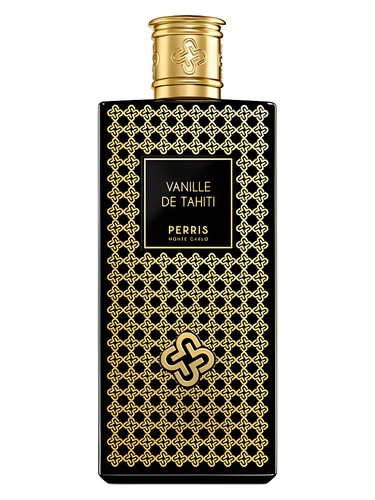
The first spray of Vanille de Tahiti delivers an immediate contradiction. What emerges isn''t the clean, ice-cream sweetness many expect from a vanilla fragrance, but something far more complex and, depending on your chemistry, potentially confronting. That opening blast brings champaca and ylang-ylang forward with unapologetic intensity—tropical flowers that carry an indolic richness some describe as animalic, others less charitably as fecal. It''s the smell of white flowers in their full, unedited glory: heady, slightly funky, unmistakably alive. This isn''t vanilla for the faint of heart, at least not in those first crucial minutes. The 2020 release from Perris Monte Carlo makes a bold statement right out of the gate, one that demands you either embrace the earthiness of real tropical florals or politely excuse yourself from the conversation.
The Scent Profile
The journey from opening to drydown reveals why Vanille de Tahiti earned its 3.91 out of 5 rating from 859 voters—it''s a fragrance of stages, each one telling a different story.
Those challenging top notes of champaca and ylang-ylang dominate the initial fifteen to twenty minutes. The champaca brings a slightly creamy, magnolia-like quality with green undertones, while the ylang-ylang adds that characteristic banana-custard sweetness laced with rubber and gasoline facets. Together, they create what the fragrance community rates as 74% floral and 64% yellow floral—a distinction that matters here, as yellow florals carry that particular richness that reads simultaneously as luxurious and potentially overwhelming.
As the heart emerges, vanilla takes center stage—and at 100% accord dominance, it''s clearly the star Perris Monte Carlo intended. But this isn''t a simple vanilla. The floral framework from the opening persists, creating a cool vanilla profile rather than the warm, gourmand treatment you''d find in many Western vanilla compositions. The sweetness factor sits at 81%, noticeable but not cloying, tempered by the continuing presence of those tropical blooms.
The base brings welcome grounding through sandalwood, amber, and musk. The woody accord (64%) and powdery quality (68%) soften the composition, pulling it away from the edge of excess and into something more wearable. The sandalwood adds a creamy, slightly coconut-like texture, while amber and musk provide warmth without heaviness. It''s here, in the drydown several hours after application, that the fragrance finally settles into something consistently pleasant—a vanilla-forward skin scent with lingering floral whispers.
Character & Occasion
The data reveals an intriguing quirk: Vanille de Tahiti shows equal suitability across all seasons with no specific day or night preference indicated in the metrics. Yet the community tells a different story, repeatedly citing autumn and cooler weather as its sweet spot. The fragrance''s richness and that initial indolic punch seem to benefit from temperatures that won''t amplify its more challenging aspects.
This is decidedly a feminine-leaning fragrance, built around that tropical flower and vanilla axis that perfumery has long coded as women''s territory. But the real question isn''t about gender—it''s about intention. Multiple wearers note that Vanille de Tahiti seems designed for others'' enjoyment rather than your own. It projects well, particularly in autumn, reaching those around you before it fully satisfies the nose of the person wearing it. If you''re someone who wears fragrance primarily for personal pleasure, this might frustrate you. If compliments fuel your fragrance choices, you''ve found a contender.
Community Verdict
The Reddit fragrance community''s sentiment sits at 6.2 out of 10—decidedly mixed territory that reflects genuine division. Based on 46 opinions, a fascinating pattern emerges: this fragrance creates a disconnect between wearer satisfaction and external response.
The pros tell one story: unexpected compliments flow freely, even from wearers who feel indifferent to the scent themselves. The cool vanilla floral profile with its ylang-ylang and champaca notes strikes a chord with bystanders. Performance gets marks for solid projection and longevity, especially in autumn conditions. A dedicated subset genuinely loves it, counting it among their favorite vanilla fragrances.
The cons reveal the other side: that initial fecal aspect in the opening isn''t a one-off complaint but a recurring theme. The wearer-compliment disconnect troubles people who want to love what they spray. Many testers report a lack of enthusiasm despite acknowledging its quality. Some question its longevity, suggesting performance may be skin-chemistry dependent.
The summary captures it perfectly: Vanille de Tahiti is more crowd-pleasing than personally satisfying, a fragrance that works better for autumn but seems calibrated to please everyone except, potentially, you.
How It Compares
Within its category, Vanille de Tahiti shares DNA with several notable vanillas. Ylang Ylang Nosy Be, also from Perris Monte Carlo, makes obvious sense as a sibling—both explore tropical florals with depth. Guerlain''s Spiritueuse Double Vanille offers a more classically structured vanilla treatment, while Serge Lutens'' Un Bois Vanille goes woodier and less floral. Van Cleef & Arpels'' Orchidée Vanille and BDK''s Rouge Smoking round out the comparison set, each approaching the vanilla-floral intersection from different angles.
What sets Vanille de Tahiti apart is that polarizing opening and its apparent ability to project a more flattering aura outward than inward. It occupies a specific niche: tropical vanilla for those willing to weather an challenging first act.
The Bottom Line
At 3.91 out of 5 stars from 859 votes, Vanille de Tahiti lands in solid "good but not great" territory. It''s a fragrance that demands consideration of what you want from perfume. If your primary goal is personal olfactory satisfaction, the 6.2 community sentiment score and repeated mentions of wearer indifference should give you pause. Sample first, and give it multiple wears—that opening might be a dealbreaker, or you might be among those who find it settles into something genuinely lovable.
But if you''re pragmatic about fragrance as a social tool, or if you''ve learned to trust compliments over your own nose, Vanille de Tahiti deserves attention. It performs, it registers with others, and it offers a legitimate alternative to sweeter, simpler vanillas.
Who should try it? Those seeking a floral-dominant vanilla with tropical character. Anyone comfortable with indolic white flowers. People who''ve found other vanillas too safe or too gourmand. And yes, those who enjoy the curious pleasure of wearing something others love, even if you''re still making up your mind.
AI-generated editorial review