First Impressions
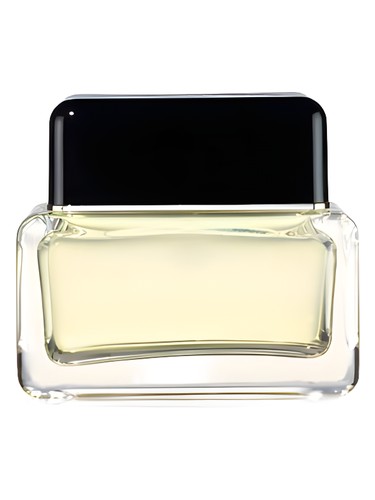
The first spray of Marc Jacobs Men delivers something unexpected in the best possible way: restraint with purpose. Rather than announcing itself with aggressive masculinity or synthetic loudness, this 2002 release opens with a sophisticated whisper that demands you lean closer. The cypress and cardamom create an immediate woody-green framework, while ginger and bergamot add just enough sparkle to keep things from feeling austere. There''s a dusty warmth from cumin lurking in the background—not the curry-like intensity that can overwhelm, but a subtle earthiness that grounds the brighter elements. This is the olfactory equivalent of a perfectly tailored linen shirt: effortless, clean, and unmistakably refined.
The Scent Profile
Marc Jacobs Men unfolds as a study in balance, moving through its phases with the kind of seamless transitions that separate good fragrances from memorable ones. The opening quintet of cypress, cardamom, ginger, bergamot, and cumin creates a spicy-green introduction that feels both invigorating and contemplative. The cypress dominates here, lending a coniferous freshness that''s more forest floor than Christmas tree, while the spices dance around the edges rather than taking center stage.
As the fragrance settles into its heart, something remarkable happens: fig leaf emerges as the star performer. Paired with aquatic notes and cyclamen, it creates a uniquely green freshness that feels botanical without veering into cologne territory. The fig leaf brings a slightly milky, sap-like quality—crisp and vegetal, like crushing leaves between your fingers on a warm afternoon. A subtle rose note adds just a touch of floral sophistication, but this is no rosy bouquet; it''s merely a supporting player that adds complexity without feminizing the composition. The water notes keep everything buoyant and airy, preventing the greenness from becoming too heavy.
The base is where Marc Jacobs Men reveals its staying power and sophistication. Cedar and oakmoss form the woody backbone, delivering on that dominant 100% woody accord rating while maintaining the green thread established in the opening. Patchouli adds depth without the hippie-shop mustiness that can plague lesser compositions, while tonka bean contributes a subtle sweetness and warmth. This base doesn''t dramatically transform the fragrance; instead, it deepens and enriches what came before, like watching afternoon light shift into golden hour.
Character & Occasion
Marc Jacobs Men is fundamentally a spring and summer fragrance, and the community data reflects this reality clearly: 88% spring suitability and 74% summer performance tell you everything you need to know about its ideal habitat. This is a fragrance that thrives in warmth, where its green freshness and woody transparency can breathe and project without being overwhelmed by cold weather.
The 100% day rating speaks to its character—this is morning coffee, outdoor meetings, weekend brunches, and gallery openings. It''s the fragrance equivalent of natural light: flattering, comfortable, and appropriate in virtually any daytime setting. The 46% night rating suggests it can transition into evening wear, though it won''t command attention in a crowded bar or formal dinner the way heavier, more opulent fragrances might.
This is a fragrance for the man who values subtlety over showmanship, quality over quantity. It suits creative professionals, those who appreciate design and clean lines, men who understand that confidence doesn''t require volume. The fresh-woody-green profile makes it particularly appropriate for warmer climates and casual-to-business-casual dress codes.
Community Verdict
With a solid 4.08 rating from 845 votes, Marc Jacobs Men has earned genuine respect from the fragrance community. This isn''t a polarizing scent with extreme fans and haters; instead, it''s quietly accumulated admirers over two decades. That rating suggests broad appeal and consistent quality—people who buy it tend to appreciate what it does, even if it doesn''t inspire the passionate devotion reserved for more dramatic compositions. For a designer masculine release that''s over twenty years old, maintaining this level of community approval speaks to its enduring relevance and well-crafted formula.
How It Compares
The similar fragrances list reads like a who''s-who of modern masculine perfumery: Bleu de Chanel, Terre d''Hermès, Encre Noire, Egoiste Platinum, and L''Eau d''Issey Pour Homme. What''s interesting is that Marc Jacobs Men predates several of these benchmarks, suggesting it helped establish the template for fresh-woody-green masculines that would dominate the 2000s and beyond.
Where Bleu de Chanel goes for polish and versatility, Marc Jacobs Men leans greener and more casual. Compared to Terre d''Hermès, it''s less earthy and mineral, more overtly fresh. It shares Encre Noire''s woody darkness in the base but maintains much more brightness throughout. Against these heavyweight competitors, Marc Jacobs Men holds its own by offering something slightly more relaxed and approachable without sacrificing sophistication.
The Bottom Line
Marc Jacobs Men deserves more attention than it receives. In an era when masculine fragrances often choose between aggressive freshness or heavy woodiness, this fragrance carved out a middle path that still feels relevant over twenty years later. The 4.08 rating reflects its quality: not perfect for everyone, but genuinely excellent at what it does.
This is a fragrance that rewards those who appreciate nuance over novelty. It won''t be the loudest scent in your collection, but it might be the one you reach for most often when you want to smell good without making a statement about smelling good. For spring and summer daytime wear, it''s nearly ideal. The price point for a designer fragrance of this quality typically offers strong value, especially compared to some of the similar fragrances listed.
If you''re building a warm-weather rotation, appreciate green and woody fragrances, or simply want something that feels grown-up without being stuffy, Marc Jacobs Men deserves a test. It''s proof that sometimes the most lasting impact comes not from shouting, but from speaking clearly and with purpose.
AI-generated editorial review