First Impressions
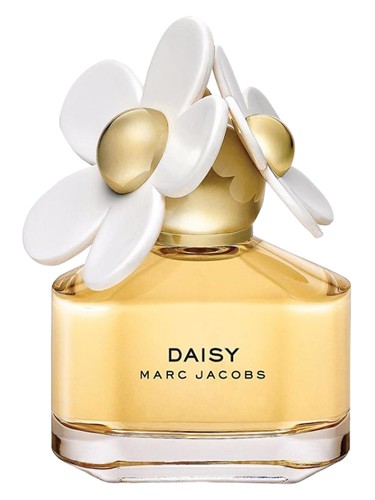
Pop the sculptural daisy cap and spray Daisy by Marc Jacobs, and you''re immediately transported to a sun-drenched garden after a spring rain. The opening is a paradox: simultaneously fresh and sweet, innocent yet sophisticated. Blood grapefruit mingles with strawberry in a way that feels less fruity-gourmand and more like crisp, dew-kissed petals catching morning light. There''s an ozonic quality here—that clean, almost aquatic freshness that reads as "just-showered skin" rather than "tropical beach." Violet leaf adds a green, slightly bitter edge that keeps the sweetness from tipping into candy territory. This is the scent of optimism bottled, of pristine white dresses and possibilities yet unfolded.
The Scent Profile
Master perfumer Alberto Morillas crafted Daisy as a study in contrasts, and the evolution reveals his deft hand. Those opening moments of violet leaf, blood grapefruit, and strawberry create an unexpectedly fresh-fruity greeting that lasts perhaps twenty minutes before the heart reveals its true character.
The transition to the floral bouquet is where Daisy earns its name and its reputation. Violet takes center stage alongside gardenia and jasmine, creating a white floral accord that dominates the composition at full strength. But this isn''t your grandmother''s heady, indolic white floral—the violet brings a powdery softness (registering at 76% in the accord profile) that makes the flowers feel filtered through gauze, dreamlike rather than diva-esque. The gardenia adds creaminess without weight, while jasmine provides just enough sensuality to remind you this is, after all, a perfume meant to be noticed.
As Daisy settles into its base after three to four hours, musk, white woods, and vanilla create a skin-like foundation that''s been described as both comforting and, by some, disappointingly dusty. The vanilla never goes full gourmand; instead, it adds a subtle sweetness that plays supporting role to the clean musk and airy woods. This is where opinions diverge—some find this dry down perfectly wearable and close-to-skin, while others feel it loses its magic, becoming flat or even headache-inducing.
Character & Occasion
The data tells a clear story: Daisy is a daytime perfume with an overwhelming 100% day rating versus just 11% for evening wear. This is a fragrance that belongs in natural light, paired with casual cotton and effortless styling rather than evening gowns and strategic seduction.
Seasonally, Daisy shines brightest in spring (92%) and maintains strong performance through summer (73%), then drops precipitously for fall (18%) and winter (10%). That ozonic-aquatic character (registering at 94% and 69% respectively) combined with citrus notes (71%) creates a cooling effect that feels perfectly calibrated for warmer weather. In cold months, its lightness can read as thin or out of step with the cozy, enveloping scents that winter demands.
This is quintessentially a fragrance for teens and young adults—a first "grown-up" perfume that bridges the gap between body sprays and serious perfumery. It''s safe enough for job interviews, sweet enough for first dates, fresh enough for weekend brunches. If you''re reaching for something casual, approachable, and universally pleasant rather than bold or challenging, Daisy delivers.
Community Verdict
The Reddit fragrance community has spoken, and with a positive sentiment score of 7.5/10 based on 54 opinions, the verdict is warmly favorable—with caveats.
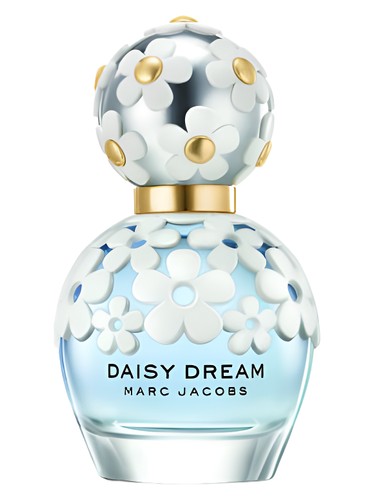
The praise centers on Daisy''s accessibility and nostalgic value. Many describe it as a beautifully crafted, pleasant floral that appeals to a wide audience, with particular appreciation for Alberto Morillas'' layered composition. The bottle itself—that iconic design with oversized daisy petals—earns points as a collector''s piece. For many, Daisy represents a formative fragrance experience, their first step into "real" perfume, and that emotional connection runs deep.
But the criticisms are pointed and practical. At $140-150 USD/CAD, many feel Daisy is overpriced for a mass-market designer fragrance, especially given its moderate longevity. The sweetness that charms some reads as too youthful or cloying for others, particularly as wearers age and their tastes evolve. The Marc Jacobs Daisy line has spawned numerous flankers with similar packaging but different scent profiles, creating confusion at the counter. And that divisive dry down? Some find it dusty, flat, or genuinely unpleasant—proof that even crowd-pleasers have their detractors.
How It Compares
Daisy exists in distinguished company. Its similar fragrances include Dior''s J''adore, DKNY Be Delicious, Chanel''s Chance Eau Tendre, and Narciso Rodriguez For Her—all modern classics that defined early 2000s femininity. Within this lineup, Daisy skews younger and fresher than J''adore''s sophisticated florals, sweeter than Narciso Rodriguez''s musk-forward elegance, and more overtly floral than Be Delicious''s crisp apple-forward profile.
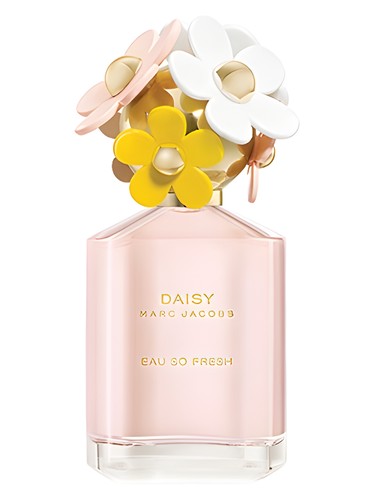
Even within its own family, Daisy Eau So Fresh offers a fruitier, more exuberant take on the original''s theme, often preferred by those who find the original too powdery or subdued.
The Bottom Line
With 3.81 stars from 13,465 votes, Daisy by Marc Jacobs sits comfortably in "very good" territory—widely liked if not universally loved. That''s actually the point. This isn''t a polarizing artistic statement or a trend-setting innovation; it''s a well-executed, broadly appealing white floral that does exactly what it promises.
Is it worth $140-150? That depends entirely on what you value. For the quality of ingredients and composition, probably not—you''re paying partially for the Marc Jacobs name and that Instagram-worthy bottle. But if you''re seeking a reliable, safe, pleasant fragrance that won''t offend anyone and genuinely brightens your mood on spring mornings, Daisy delivers.
Who should try it? Anyone seeking their first "adult" fragrance, those who love fresh white florals with a modern twist, and anyone feeling nostalgic for the optimistic simplicity of the late 2000s. Who should skip it? Fragrance veterans seeking complexity, those who prefer bold or challenging scents, and anyone whose budget won''t stretch for what is, ultimately, a very nice but not exceptional floral.
Daisy isn''t trying to revolutionize perfumery. It''s simply trying to make you feel pretty, fresh, and effortlessly put-together on a sunny Tuesday. And for thousands of wearers, that''s more than enough.
AI-generated editorial review