First Impressions
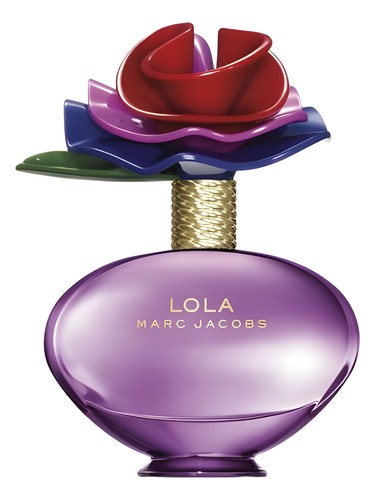
The first spray of Marc Jacobs Lola in 2009 announced itself with confident femininity—a burst of pink pepper sparks mingling with the juicy sweetness of pear and a whisper of grapefruit''s citrus edge. It was the kind of opening that felt unapologetically girly, wrapped in a hot pink bottle that looked more like a geometric art piece than a traditional fragrance vessel. The initial moments promise brightness and playfulness, a fresh-meets-sweet introduction that seems safe, wearable, even charming. But Lola has always been a fragrance with secrets, and not all of them pleasant.
This is where the story of Lola becomes complicated. What begins as an optimistic pink-pepper-kissed pear quickly reveals its true nature: this is a rose fragrance through and through, with 100% dominance in its accord structure. And that rose, sweetened by vanilla and tonka bean waiting in the wings, doesn''t play well with everyone.
The Scent Profile
Lola''s composition unfolds as a study in contrasts—bright top notes giving way to an unapologetically rosy heart before settling into a sweet, musky foundation. The opening trio of pink pepper, pear, and grapefruit provides approximately fifteen minutes of optimism. The pink pepper adds a subtle spice that never quite develops into anything assertive, while the pear brings a syrupy fruitiness that some wearers find charming and others find foreboding.
As the fragrance transitions into its heart, the rose takes center stage alongside peony and geranium. This isn''t a fresh garden rose or a sophisticated Turkish rose absolute—it''s a powdery, sweet interpretation that leans heavily into the floral (59% accord strength) and sweet (50%) aspects of its character. The peony adds a soapy softness, while geranium contributes a green, slightly metallic edge that can read as either sophisticated or sharp, depending on your skin chemistry.
The base is where Lola reveals its ultimate intentions: vanilla (49% accord), musk (43%), and tonka bean create a foundation that''s meant to be comforting and sensual. The tonka bean brings its characteristic almond-like sweetness, doubling down on the sugar alongside vanilla, while musk attempts to ground the composition with skin-like warmth. On the right skin, this creates a nostalgic, powdery-sweet cocoon. On the wrong skin, it''s where things go catastrophically wrong.
Character & Occasion
The data tells us Lola is primarily a fall fragrance (86%), with strong showings in spring (69%) and winter (66%), but stumbling significantly in summer heat (38%). This makes sense—the heavy sweetness and powdery rose character need cooler weather to feel appropriate rather than cloying. It''s designed for daytime wear (100%), though it holds its own into evening hours (85% night suitability).
This is theoretically a fragrance for someone who wants to project feminine sweetness without apology. The pink bottle, the rose dominance, the vanilla base—everything about Lola says this isn''t a fragrance trying to be mysterious or androgynous. It''s for casual settings, daytime errands, brunch dates, or office environments where you want to smell distinctly perfumed but not provocative.
The catch? You need to be someone whose skin chemistry doesn''t amplify sweetness into something resembling synthetic candy or, worse, rancid fruit. This is not a universally wearable scent despite its mainstream intentions.
Community Verdict
Here''s where we need to talk honestly: the Reddit fragrance community gives Lola a negative sentiment score of 3.5 out of 10. While the broader rating of 3.51 out of 5 from 3,627 voters suggests moderate appreciation, those who''ve engaged deeply with this fragrance often walk away disappointed or worse.
The pros are genuine but limited: when Lola works, it delivers a sweet and powdery scent profile with feminine floral composition and nostalgic appeal. Some wearers genuinely loved it as their signature scent and mourn its discontinuation.
But the cons are significant and recurring. The extreme sweetness turns cloying and rancid on many skin types, with multiple community members reporting that certain notes amplify into unpleasant territory—overly sweet, sour, or just generally off-putting. Performance varies dramatically based on individual skin chemistry, making it a genuine gamble. And because it''s now discontinued, you can''t easily test before committing to a purchase, turning Lola into a risky blind buy.
The community consensus points to this being best for casual daytime wear, specifically for those whose skin chemistry doesn''t amplify sweetness, and for vintage or powdery fragrance enthusiasts willing to take a chance.
How It Compares
Lola sits in the company of beloved rose-forward florals like Chloé Eau de Parfum, Bright Crystal by Versace, Flowerbomb by Viktor&Rolf, Nina by Nina Ricci, and J''adore by Dior. Compared to these contemporaries, Lola occupies the sweetest, most polarizing position. Where Chloé offers a fresher, more sophisticated rose and Bright Crystal provides aquatic brightness, Lola commits fully to powdery sweetness with less refinement and more risk.
It lacks the complexity that makes Flowerbomb a long-term favorite or the timeless elegance that keeps J''adore relevant. Lola is simpler, sweeter, and more dependent on favorable skin chemistry than any of its peers.
The Bottom Line
Marc Jacobs Lola is a fragrance that promised more than it could deliver for most wearers. Its 3.51 rating reflects middling satisfaction, while the community sentiment reveals deeper frustration. This is a perfume that works beautifully for a small subset of wearers and fails spectacularly for others, with little middle ground.
If you have skin chemistry that handles sweet fragrances without amplification, if you''re drawn to powdery rose compositions, and if you can find it at a reasonable price, Lola might reward you with nostalgic charm. But for most people, especially given its discontinuation and the inability to test first, this is a fragrance to approach with extreme caution. The discontinued status hasn''t created collector demand—it''s simply made a risky fragrance even riskier to purchase. Unless you''re specifically seeking vintage powdery sweetness and willing to gamble, there are safer rose florals that deliver similar character with better consistency.
AI-generated editorial review