First Impressions
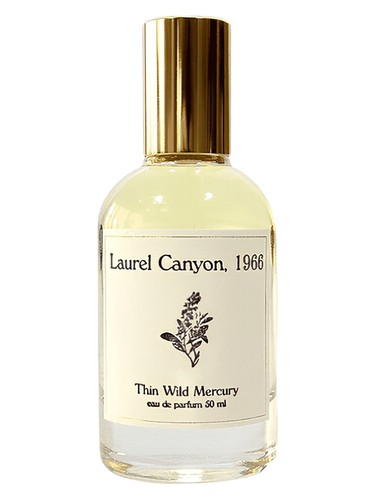
The first spray of Laurel Canyon, 1966 is like stepping through a canyon breeze into a sun-warmed grove where wild herbs meet citrus trees. There''s an immediate brightness—sweet orange and grapefruit burst forward with unapologetic exuberance—but this isn''t your standard citrus cologne. Something more subversive lurks beneath: an herbal greenness that smells like crushed stems and the California chaparral after morning fog lifts. This is Thin Wild Mercury''s love letter to a specific time and place, and it announces its intentions from the very first moment: expect authenticity over politeness, botanicals over florals, and a scent that captures an era when the air itself seemed charged with creative rebellion.
The Scent Profile
The opening is dominated by that citrus-herbal alliance, where sweet orange provides sunny optimism while grapefruit adds a bitter, realistic edge. The herbal notes—which the community scores at an impressive 98% green accord—don''t simply accent the citrus; they''re equal partners in this composition, creating a verdant foundation that feels more canyon trail than perfume counter.
As the initial brightness settles, the heart reveals its most intriguing facets. Here''s where Laurel Canyon, 1966 earns its 1960s pedigree: cannabis emerges alongside petitgrain, creating a resinous, slightly smoky greenness that''s unmistakably evocative of its namesake era. The clove provides a warm spiciness (reflected in that 96% warm spicy accord) that keeps things interesting without overwhelming, while jasmine sambac—the sole traditional floral note—adds just enough softness to remind you this is still a wearable perfume, not a botanical study.
The base is where things get genuinely interesting for those who appreciate complexity. Patchouli anchors the composition with earthy depth, but it''s the pairing of birch tar and ambergris that elevates this beyond typical patchouli-cannabis territory. The birch tar adds a leathery, slightly smoky quality—think vintage vinyl records and worn denim—while ambergris provides saline warmth and longevity. This base ensures the fragrance doesn''t simply fade into generic hippie nostalgia but maintains a sophisticated, almost maritime quality that grounds all that California sunshine in something more substantial.
Character & Occasion
The community data tells a clear story: this is overwhelmingly a daytime fragrance, registering 100% day wear versus just 37% night. And honestly? That tracks perfectly. Laurel Canyon, 1966 thrives in natural light—it''s made for farmers market mornings, outdoor concerts, weekend hikes, and cafe brunches that stretch into afternoon.
Seasonally, this is your spring and summer companion, with 97% and 93% suitability respectively. The citrus-green profile feels most at home when temperatures rise and you want something that won''t suffocate in the heat. That said, 71% of wearers find it works in fall, likely thanks to that grounding patchouli and birch tar base that can handle cooler weather. Winter, at 25%, is where this fragrance struggles—it simply doesn''t have the weight or richness to cut through cold air.
As for who should wear it? Despite being marketed as feminine, this is remarkably unisex territory. The dominant accords—citrus, green, warm spicy, and cannabis—don''t read particularly gendered. Anyone drawn to botanical, naturalistic fragrances with a retro edge will find something to love here. It''s for people who want their perfume to tell a story rather than simply smell pretty, who appreciate references to cultural moments, and who aren''t afraid of a fragrance that might spark conversation.
Community Verdict
With 344 votes landing at 4.23 out of 5, Laurel Canyon, 1966 has earned solid respect from its wearers. That rating suggests a fragrance that delivers on its promise—people who seek out a cannabis-forward, citrus-green scent with 1960s California vibes are finding exactly what they''re looking for. It''s not a crowd-pleasing, universal love fragrance (those typically score closer to 4.5 or above), but rather something more specific and intentional. The rating reflects appreciation from those who understand what Thin Wild Mercury was attempting—and recognition that they largely succeeded.
How It Compares
In the landscape of cannabis-forward fragrances, Laurel Canyon, 1966 finds itself in interesting company. Le Labo''s The Noir 29 shares that herbal-cannabis DNA but leans darker and more unisex-aggressive. Dear Polly by Vilhelm Parfumerie offers a similar vintage sensibility but with more pronounced floral sweetness. Nest''s Indigo also plays in the citrus-cannabis space but with a cleaner, more contemporary execution.
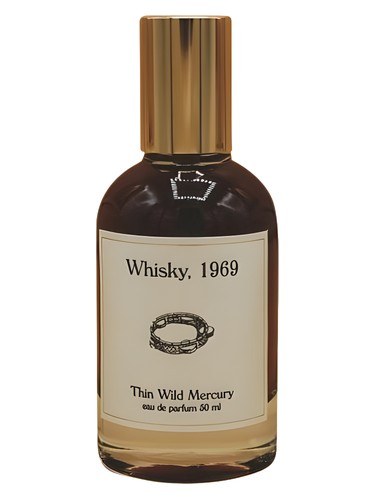
Within Thin Wild Mercury''s own line, Zuma, 1975 appears as a sister scent—likely sharing that California coastal nostalgia but presumably with its own temporal twist. What distinguishes Laurel Canyon, 1966 is its commitment to that green-citrus brightness; many cannabis fragrances go heavier and darker, but this one maintains an optimistic, sun-drenched character even as it nods to counterculture edge.
The Bottom Line
Laurel Canyon, 1966 succeeds at being exactly what it sets out to be: a transportive, historically evocative fragrance that captures a specific cultural moment without becoming a costume. The 4.23 rating reflects its appeal to those seeking something beyond mainstream offerings, while its strong performance in spring and summer wear data confirms its practical versatility in warm weather.
This isn''t a safe blind buy for someone seeking a traditional feminine fragrance—that cannabis and patchouli combination will be polarizing. But for those drawn to green, herbal, citrus-forward compositions with personality and narrative depth, this is absolutely worth exploring. The price point (assuming it aligns with other niche boutique offerings) makes sense for a fragrance this specific and well-executed, though this won''t replace your everyday signature scent unless you''re very committed to the aesthetic.
Try this if you love botanical fragrances, appreciate cultural references in perfumery, or find yourself missing an era you may never have experienced. Skip it if you need something office-appropriate, prefer traditionally feminine florals, or simply can''t embrace cannabis as a note. For the right wearer, Laurel Canyon, 1966 is a small bottle of California sunshine and rebellious spirit—still relevant, still compelling, more than fifty years after its namesake moment.
AI-generated editorial review