First Impressions
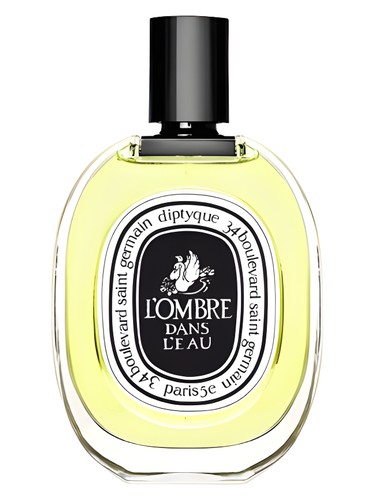
The name translates to "the shadow in the water," and that poetic title immediately sets expectations for something elusive, something that shimmers just beneath the surface. From the first spray, L''Ombre Dans L''Eau delivers on that promise with an almost startling intensity. This isn''t a polite introduction—it''s an immersion into a garden at dawn, where dew-heavy blackcurrant bushes brush against climbing roses. The opening is unapologetically fruity, yet there''s a green undercurrent that prevents it from tipping into sweetness. It''s the olfactory equivalent of biting into a tart berry while standing barefoot in wet grass, and it commands attention in a way that few fragrances from 1983 still manage to do.
The Scent Profile
While Diptyque keeps the specific note breakdown close to the chest, the accord data tells a clear story: this is a fragrance built on a foundation of fruit (registering at 100% intensity) with substantial green support (73%). That fruity dominance manifests as blackcurrant—tart, almost tannic, with that distinctive cassis sharpness that can border on feline. It''s not the jammy sweetness of modern fruity florals; this is fruit with stems still attached, leaves crushed underfoot.
The green accord works as both support beam and counterpoint, lending an aromatic quality (67%) that keeps the composition from veering into dessert territory. There''s an herbal freshness here, something that suggests crushed leaves and wet earth. As the fragrance settles, the aromatic character becomes more pronounced, revealing soft spicy notes (45%) that add depth without announcing themselves overtly. These spices aren''t the warm baking variety—they''re subtler, more resinous, like the scent of plant sap on your fingers after handling stems.
The rose accord (42%) emerges gradually, never dominating but providing a floral backbone that justifies this fragrance''s feminine designation. This isn''t your grandmother''s rose perfume; it''s rose with thorns and leaves, rose as it grows rather than as it''s arranged. A touch of fresh spice (29%) adds occasional brightness throughout the wearing, like sunlight breaking through clouds.
The eau de toilette concentration means this evolution happens relatively quickly, with the fragrance settling into a soft, green-tinged rose skin scent within a few hours. The sillage is moderate—you''ll occupy your personal space with it rather than announcing yourself across a room.
Character & Occasion
Designed as a feminine fragrance, L''Ombre Dans L''Eau transcends that binary designation through sheer character. Its green tartness and aromatic qualities make it accessible to anyone drawn to unconventional florals or sophisticated fruit-forward compositions. This is a fragrance for those who find traditional rose soliflores too predictable and syrupy fruity florals too cloying.
The data indicates this works across all seasons, and that versatility is one of its strengths. In spring and summer, that green-fruit combination feels naturalistic and refreshing. In autumn, the aromatic and soft spicy accords provide enough depth to hold up against cooler weather. Even winter wear is possible, though you might find yourself wanting something with more heft on truly cold days.
The lack of specific day versus night data suggests equal versatility across occasions, though the composition''s character skews toward daylight hours. This is a fragrance for artistic directors reviewing portfolios, for weekend market visits, for gallery openings and garden parties. It has personality without performance anxiety—sophisticated but not stuffy, distinctive but not difficult.
Community Verdict
With a solid 3.97 out of 5 rating across 4,383 votes, L''Ombre Dans L''Eau sits comfortably in "very good" territory. This isn''t universal adoration, but it''s strong approval from a substantial community. That near-four-star rating suggests a fragrance that rewards those who seek it out while potentially puzzling those expecting something more conventional. The vote count indicates staying power—over four decades after its release, people are still discovering, purchasing, and forming opinions about this scent.
The rating likely reflects both devotees who consider this a masterpiece of green-fruity composition and detractors who find the blackcurrant too sharp or the rose too subtle. This is a polarizing accord combination, and the solid-but-not-stellar rating reflects that reality honestly.
How It Compares
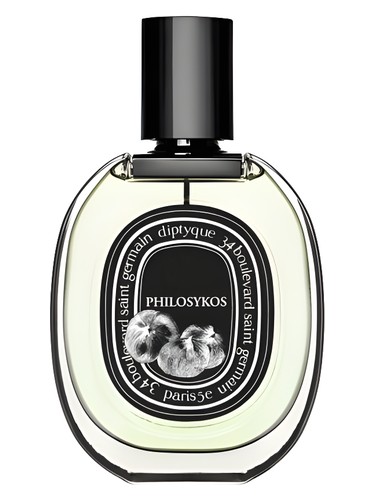
The similar fragrances list reads like a who''s-who of sophisticated green and fresh compositions. The Hermès Jardin series (Un Jardin Sur Le Nil and Un Jardin en Méditerranée) share that verdant, naturalistic approach to perfumery—fragrances that suggest landscapes rather than simply smelling pretty. Diptyque''s own Philosykos appears here, another fruit-and-green meditation. Byredo''s Bal d''Afrique and Narciso Rodriguez For Her round out the list, suggesting that fans of L''Ombre Dans L''Eau appreciate clean, distinctive compositions with artistic sensibilities.
Where this fragrance distinguishes itself is in that blackcurrant intensity. While the Jardin fragrances explore green spaces with lighter touches, L''Ombre Dans L''Eau commits more fully to its fruit-flower duality, creating something more substantial and less impressionistic.
The Bottom Line
L''Ombre Dans L''Eau remains relevant because it never tried to be anything other than itself. Created in 1983, it predates the fruity floral explosion of the 1990s and 2000s, offering instead a more thoughtful, compositionally interesting take on fruit in perfumery. That 3.97 rating from over 4,000 reviewers confirms its status as a modern classic—not perfect for everyone, but deeply appreciated by those it resonates with.
Consider this essential testing for anyone building a collection of distinctive florals, anyone who loves blackcurrant in fragrance, or anyone curious about Diptyque''s approach to perfumery before they became ubiquitous. It''s not an easy crowd-pleaser, and that''s precisely its charm. Sometimes the most memorable fragrances are those that cast shadows rather than simply shining bright.
AI-generated editorial review