First Impressions
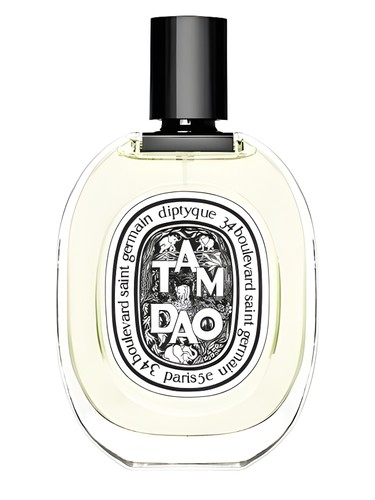
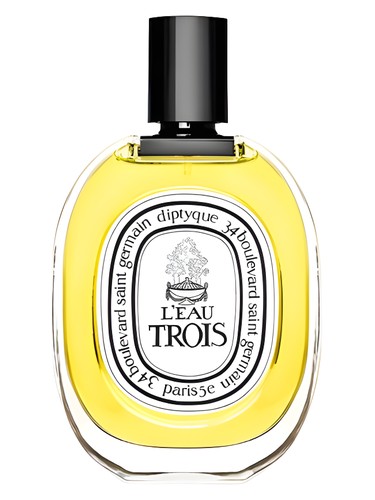
The first breath of L''Eau Trois is a sharp intake of mountain air—but mountain air that''s passed through a monastery garden. Rosemary and myrtle crack open like fresh branches snapped underfoot, releasing their green, camphorous oils with an almost medicinal clarity. This is Diptyque at their most austere, their most intellectual. Where the brand''s other creations from this era—Tam Dao, L''Eau—tend toward the softly seductive, L''Eau Trois announces itself with a kind of monastic dignity. It''s aromatic in the truest sense: not floral-pretty, not citrus-bright, but herb-sharp and resolutely unsentimental. Within moments, you understand this isn''t a fragrance interested in immediate charm. It asks for your attention, your patience.
The Scent Profile
That opening duet of rosemary and myrtle holds court longer than you might expect from an eau de toilette formulated in 1975. The rosemary has none of the soapy kitchen-herb flatness you sometimes encounter; instead, it''s rendered with a silvery, slightly bitter edge that feels more wild shrub than culinary garnish. Myrtle adds a green, honeyed depth—less sharp than the rosemary, almost tender by comparison.
The transition to the heart is where L''Eau Trois reveals its unusual architecture. Myrrh appears early, weaving through those top notes before they''ve fully dissipated, bringing with it a golden-brown warmth that begins to soften all that herbal austerity. The spices here aren''t the usual suspects—no cinnamon or clove bombast. Instead, caraway introduces an almost savory quality, earthy and slightly anise-tinged, creating an unexpected bridge between the green opening and the resinous base developing beneath.
By the time you reach the foundation, L''Eau Trois has transformed completely. Kyara incense—that most precious and complex of agarwood preparations—mingles with pine and a continuation of that myrrh from the heart. The pine isn''t Christmas-tree crisp; it''s soft, resinous, almost honeyed. The kyara brings a profound, meditative quality: smoky without being heavy, sweet without being cloying, woody in a way that feels ancient rather than merely forest-like. This base reads as distinctly amber-inflected, that 85% amber accord manifesting not as vanillic sweetness but as something more contemplative—balsamic resins meeting aromatic woods in a quiet, sustained glow.
The fragrance''s evolution is remarkably cohesive despite these transformations. Each phase flows into the next with the logic of a well-reasoned argument, that 100% aromatic signature threading through from first spray to final skin-scent hours later.
Character & Occasion
The community data tells a clear story: L''Eau Trois is a cold-weather companion, rating 100% for fall and 82% for winter. This makes perfect sense when you consider how that aromatic-amber structure performs. In warmer months, the incense and myrrh can feel heavy, the spices too insistent. But when temperatures drop, the fragrance comes alive—those top notes cut through crisp air beautifully, while the base notes provide exactly the kind of enveloping warmth you want when pulling on a wool coat.
The 88% day-wear rating reveals another aspect of its character. Despite the incense and amber, this isn''t a dramatic evening statement. It''s contemplative rather than seductive, intellectual rather than sensual. Think afternoon walks through bare November landscapes, reading in a book-lined study as natural light fades, weekend mornings at farmers'' markets. The 51% night-wear rating suggests it can certainly transition to evening, but it won''t announce your entrance to a room—it rewards closeness and quiet.
Though marketed as feminine in 1975, L''Eau Trois reads utterly ungendered by contemporary standards. The aromatic-woody-amber profile skews closer to traditional masculine territory than most women''s fragrances of its era, which makes it fascinating as a historical artifact and perfectly wearable for anyone drawn to this olfactive space.
Community Verdict
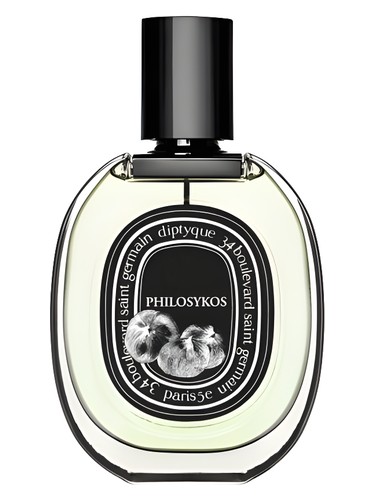
A rating of 4.18 out of 5 from 481 votes positions L''Eau Trois in that sweet spot of critical acclaim without massive mainstream popularity. This isn''t a polarizing love-it-or-hate-it fragrance, but rather one that seems to deeply satisfy those who discover it. The vote count suggests it remains somewhat under the radar—not a Diptyque bestseller like Philosykos or Tam Dao, but a cherished secret among those who''ve explored the brand''s deeper catalog.
That nearly five decades after its release, it continues to attract new admirers and maintain such a strong rating speaks to the quality of its construction and the timelessness of its approach.
How It Compares
The similar fragrances cited place L''Eau Trois in distinguished company. Serge Lutens'' Fille en Aiguilles shares that aromatic-pine-incense DNA, though Lutens'' creation leans darker and more gourmand. Tauer''s L''Air du Desert Marocain occupies similar aromatic-spicy-amber territory but with more assertive projection and a distinctly North African character. The Comme des Garcons Incense series comparisons—particularly Kyoto and Avignon—highlight the spiritual, contemplative quality they all share, though L''Eau Trois integrates its incense more subtly, letting aromatic herbs share the spotlight.
What distinguishes L''Eau Trois is its restraint. Where many of these comparisons make bold statements, Diptyque''s creation speaks softly, requiring you to lean in.
The Bottom Line
L''Eau Trois deserves its 4.18 rating and the quiet devotion it inspires. This is a fragrance for those who appreciate olfactive complexity presented without showiness, who value meditation over provocation. The eau de toilette concentration serves it well—anything heavier might tip that careful balance toward oppressiveness.
At nearly fifty years old, it feels neither dated nor trendy, existing in that rare space occupied by true classics. If you''re drawn to aromatic fragrances but find most too sharp, or love amber but tire of sweetness, L''Eau Trois offers a compelling alternative. It''s not for everyone, nor does it try to be. But for those it suits, it becomes irreplaceable—a fragrance that feels less like an accessory and more like a form of contemplation.
AI-generated editorial review