First Impressions
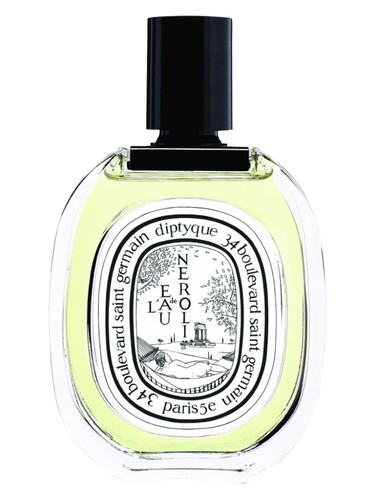
The first spray of L''Eau de Neroli delivers exactly what its name promises—but with more nuance than you might expect. This is neroli unadorned yet somehow complete, a citrus experience that opens with the sharp, verdant snap of petitgrain and lemon verbena cutting through the sweeter bergamot and broader citrus notes. There''s an herbal intrigue here too, courtesy of tarragon, which adds an unexpected aromatic twist that keeps this from being just another orange blossom soliflore. It''s the olfactory equivalent of stepping into dappled sunlight through a canopy of bitter orange trees, where the air carries both the fruit''s zest and the green, slightly astringent scent of crushed leaves underfoot.
What strikes you immediately is the transparency. This isn''t a fragrance that announces itself with complex layering or mysterious depth—it''s refreshingly straightforward, almost radically simple in its intentions. The citrus accord dominates completely, and Diptyque seems to have no interest in disguising that fact.
The Scent Profile
The opening movement is a citrus symphony that leans decidedly green and sharp rather than candy-sweet. Bergamot provides the rounded, slightly floral citrus base, while petitgrain—extracted from the leaves and twigs of the bitter orange tree—contributes a woody, herbaceous bitterness. Lemon verbena adds its characteristic lemony brightness with a hint of soapiness, and tarragon brings an anise-like aromatic quality that feels both culinary and medicinal. This isn''t your typical fresh-squeezed orange juice brightness; it''s more sophisticated, more grown-up.
As L''Eau de Neroli settles into its heart, the star ingredient steps forward with confidence. Neroli, distilled from bitter orange blossoms, brings its characteristic blend of citrus freshness and indolic floral depth. Here it''s joined by orange blossom absolute, which intensifies the white floral character without overwhelming the composition''s essential lightness. Egyptian pelargonium (a specific variety of geranium) adds a subtle rosy-minty facet that bridges the citrus opening and floral heart beautifully. This is where the fragrance reveals its 43% white floral accord, though it never loses sight of its citrus-dominant identity.
The base is where L''Eau de Neroli makes its most interesting departure from simple cologne territory. Beeswax appears like a gentle golden thread, adding warmth and a subtle honeyed quality without sweetness. White musk provides the expected clean, skin-like softness, while cedar contributes just enough woody structure to ground the composition. These base notes don''t announce themselves dramatically—they simply ensure the fragrance doesn''t disappear entirely after an hour, giving it a whisper of longevity that feels natural rather than forced.
The evolution is linear rather than dramatic, which seems entirely intentional. This is a fragrance that knows what it is from the first moment and maintains that identity throughout its wear.
Character & Occasion
L''Eau de Neroli belongs firmly to daylight hours. Its brightness, transparency, and citrus-forward character make it ideally suited for mornings and early afternoons when you want to feel awake, clean, and effortlessly put-together. This is a fragrance for crisp white shirts, sun-drenched terraces, and the kind of uncomplicated elegance that suggests confidence rather than trying too hard.
Remarkably versatile across seasons, it proves that not all citrus fragrances are summer-only affairs. Yes, it shines in warm weather when its refreshing qualities feel most appropriate, but the aromatic complexity from tarragon and the subtle warmth from beeswax mean it doesn''t feel out of place on a spring morning or early autumn day. Even in cooler months, it can provide a welcome burst of optimism.
While marketed as feminine, L''Eau de Neroli''s aromatic green facets and woody undertones give it considerable unisex appeal. Anyone who appreciates straightforward, quality ingredients over heavy-handed composition will find something to love here. This is for the person who values transparency in their fragrance choices, who wants to smell fresh without resorting to aquatic clichés, and who appreciates the simple beauty of a single ingredient done exceptionally well.
Community Verdict
With a solid 3.99 out of 5 rating from 669 voters, L''Eau de Neroli has found its audience—and that audience appreciates what it offers. This isn''t a polarizing masterpiece that inspires either worship or hatred; it''s a well-executed, reliable fragrance that delivers on its promise. The rating suggests competence and quality without groundbreaking innovation, which seems entirely fair for a composition this transparent in its intentions.
The moderate number of votes indicates this isn''t Diptyque''s most famous offering, but those who''ve discovered it have generally been pleased. It''s the kind of fragrance that builds quiet loyalty rather than loud fanaticism.
How It Compares
L''Eau de Neroli exists in distinguished company. Tom Ford''s Neroli Portofino takes a similar concept but amplifies it with more luxury and intensity. Within Diptyque''s own lineup, it sits alongside Eau des Sens and Oyedo, both citrus-forward compositions, though Oyedo leans more toward yuzu and Eau des Sens introduces bitter orange and juniper for a different aromatic profile. Hermès'' Un Jardin en Méditerranée and Un Jardin Sur Le Nil offer related Mediterranean garden impressions but with more complexity and narrative structure.
What distinguishes L''Eau de Neroli is its singular focus. Where others build elaborate citrus gardens, Diptyque has planted a single, perfect bitter orange tree and invited you to experience every aspect of it from root to blossom.
The Bottom Line
L''Eau de Neroli is refined simplicity rather than groundbreaking artistry, and there''s genuine value in that distinction. At nearly 4 out of 5, it''s a fragrance that reliably satisfies without trying to be everything to everyone. This is Diptyque doing what they do best: taking quality natural materials and presenting them with minimal interference.
Should you try it? If you''re seeking a sophisticated citrus fragrance that goes beyond basic cologne territory but doesn''t demand attention with heavy florals or rich orientals, absolutely. If you love neroli specifically and want to experience it in a composition that respects its natural character, this deserves your consideration. However, if you need significant longevity, complexity, or evening-appropriate depth, look elsewhere—this isn''t trying to be that fragrance.
L''Eau de Neroli succeeds precisely because it knows its limitations and works within them beautifully. Sometimes, sunlight through orange blossoms is enough.
AI-generated editorial review