First Impressions
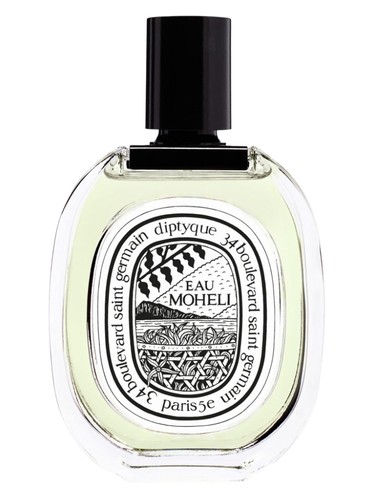
There''s something decidedly intimate about the first spray of Eau Moheli. This 2013 release from Diptyque doesn''t announce itself with fanfare—it extends a quiet invitation. The opening is dominated by yellow florals that feel neither overtly tropical nor classically French, but rather occupy a space somewhere in between. It''s the kind of scent that makes you pause, lean closer to your wrist, and wonder what exactly you''re smelling. There''s a sophistication here that reveals itself slowly, like meeting someone who speaks in perfectly measured tones, leaving you curious about what lies beneath the composed exterior.
The Scent Profile
Eau Moheli builds its identity on a foundation of yellow floral dominance—the accord registers at full intensity in its composition. While Diptyque hasn''t disclosed the specific notes, the fragrance reveals its architecture through the interplay of these core accords. The yellow floral character, presumably ylang-ylang or a similar exotic bloom, creates a creamy, slightly indolic warmth that never tips into heaviness.
This floral heart, which comprises 79% of the accord profile, transitions seamlessly into unexpected territory. The woody element at 70% provides a structured backbone that grounds the sweetness, preventing Eau Moheli from becoming purely ornamental. There''s a subtle sweetness (62%) that feels more like the natural sugar content of flowers than any added confection—just enough to soften the composition without making it cloying.
The fresh spicy accord at 44% adds a crucial dimension, introducing a subtle piquancy that keeps the florals from becoming too soporific. Finally, a whisper of amber at 37% creates a gentle warmth in the base, though this fragrance is far from an oriental powerhouse. The evolution is graceful rather than dramatic—Eau Moheli doesn''t reinvent itself on your skin so much as it gradually reveals different facets of the same elegant personality.
Character & Occasion
Eau Moheli earned its "all seasons" designation honestly. This is a fragrance that adapts rather than dominates, making it genuinely wearable whether you''re navigating spring rain or autumn crisp. That said, the community particularly champions it for spring wear, when its delicate floral character harmonizes with the season''s own blooming optimism.
The data shows a neutral day/night profile, but don''t let that fool you—this fragrance clearly leans toward sophisticated daytime occasions. Picture gallery openings, lunch meetings where you want to project refinement without overwhelming a small space, or weekend errands when you feel like being the most polished version of yourself. The delicate nature of Eau Moheli makes it ideal for situations requiring subtlety and close-proximity elegance.
This is decidedly not a boardroom power scent or a date-night seductress. Instead, it''s for those who appreciate fragrance as personal adornment rather than announcement—individuals who find pleasure in catching fleeting whiffs of their own scent throughout the day rather than leaving a trail for others to follow.
Community Verdict
The r/fragrance community has spoken with surprising clarity about Eau Moheli, delivering a sentiment score of 7.5 out of 10 across 41 opinions—solidly positive territory that aligns with its broader 4.05/5 rating from 1,178 votes. The praise centers on its beautiful, sophisticated character and distinctive personality. Reviewers consistently describe it as elegant and individualistic, with a pleasant opening that develops in interesting ways.
However—and this is a significant caveat—the community''s primary frustration is unanimous: longevity and sillage fall disappointingly short of expectations. Multiple users report needing to employ layering techniques, moisturizing pulse points before application, or reapplying throughout the day to maintain the scent''s presence. For a fragrance at Diptyque''s premium price point, this performance limitation represents a genuine drawback that potential buyers should consider seriously.
The community seems split between those who view the subtlety as intentional refinement and those who see it as a technical shortcoming. The truth likely lies somewhere in between—Eau Moheli''s delicate nature is clearly by design, but even accounting for artistic intent, many users wish it lasted longer than it does.
How It Compares
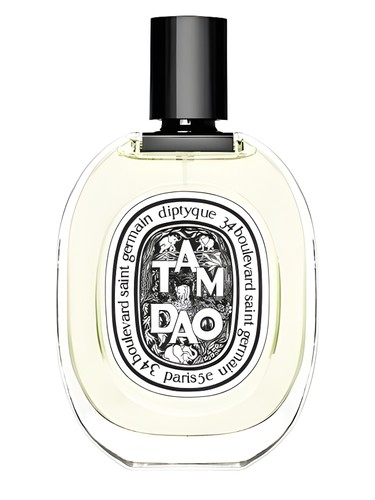
The comparisons to Black Orchid, Coco Mademoiselle, Baccarat Rouge 540, Tam Dao, and Chergui reveal interesting aspects of Eau Moheli''s positioning. It shares Black Orchid''s yellow floral intensity but none of its gothic drama. With Coco Mademoiselle, there''s a common thread of sophisticated femininity, though Eau Moheli trades patchouli brightness for woody depth. The Baccarat Rouge 540 comparison likely stems from shared ambery warmth and luxury positioning rather than olfactive similarity.
The two Diptyque siblings—Tam Dao and Chergui—provide the most telling context. Eau Moheli shares Tam Dao''s woody elegance and Chergui''s warm sweetness, positioning itself as a floral bridge between these more austere compositions.
The Bottom Line
Eau Moheli stands as a fragrance of genuine beauty hampered by practical limitations. That 4.05/5 rating reflects both its artistic success and its performance challenges—it''s good enough to inspire loyalty despite its flaws. Whether it''s worth the Diptyque premium depends entirely on your priorities.
If you value subtlety, sophistication, and distinctiveness over longevity and projection, Eau Moheli delivers something genuinely special. It''s for the person who layers fragrance into moisturizer without complaint, who owns multiple bottles they rotate through, who understands that some beautiful things are inherently ephemeral.
But if you need your fragrance to last through a full workday, to announce your presence, or to justify its cost through hours of wear, look elsewhere. Eau Moheli asks for commitment and understanding—it rewards close attention but won''t do the heavy lifting for you. Consider sampling before committing to a full bottle, and prepare yourself for a relationship that requires some effort to maintain. The beauty is there. The question is whether you''re willing to work for it.
AI-generated editorial review