First Impressions
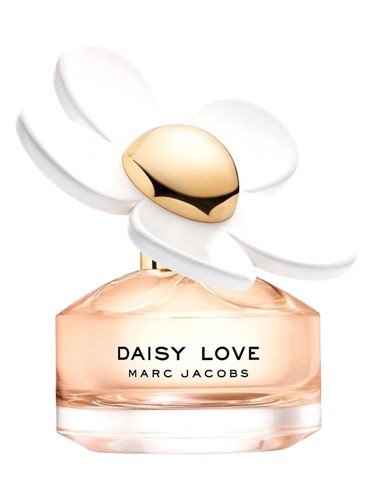
The first spritz of Daisy Love delivers something unexpectedly weightless—a burst of cloudberry that hovers somewhere between dream and déjà vu. This isn''t the heavy-handed floral assault you might anticipate from a bottle adorned with white daisies. Instead, Marc Jacobs opens with a fruit note most people have never actually tasted, creating an immediate sense of intrigue. Cloudberry, rare and delicate, offers a berry sweetness that feels both familiar and foreign, like stumbling upon wildflowers in an unexpected place. The initial impression is one of airiness, a scent that seems to dance just above the skin rather than settle into it.
The Scent Profile
Daisy Love''s composition follows an unconventional path, anchored by that singular cloudberry note at its opening. This golden-hued berry, native to Arctic regions, brings a tart-sweet freshness that defies the typical citrus or berry openings found in most feminine fragrances. It''s bright without being sharp, fruity without veering into candy territory.
As the cloudberry fades, the heart reveals itself through daisy—a note that''s more conceptual than literal, since daisies themselves have minimal fragrance. What Marc Jacobs has crafted here is the idea of a daisy: clean, innocent, softly floral without overwhelming presence. This heart sits delicately between the fruit-forward opening and what''s to come, serving as a gentle transition rather than a dramatic flourish.
The base is where Daisy Love finds its modern edge. Cashmere musk and driftwood create a foundation that''s simultaneously soft and structured. The cashmere musk envelops everything in a second-skin warmth, that powdery-clean sensation that reads as effortlessly put-together. Driftwood adds a whisper of something more substantial—not heavy woodiness, but rather the memory of wood, sun-bleached and smoothed by saltwater. Together, these base notes ensure that Daisy Love never becomes too saccharine, grounding the fruit and floral elements in something more sophisticated.
The accord breakdown tells the real story: this is a fragrance that''s fruity first (100%), musky second (90%), with floral elements (56%) playing a supporting rather than starring role. The aromatic (50%) and woody (47%) accords give it structure, while sweetness (46%) keeps it approachable without tipping into cloying territory.
Character & Occasion
Daisy Love knows exactly what it wants to be: a daytime fragrance for warmer months. The data confirms this instinct—95% spring, 82% summer, with a dramatic drop-off for fall (30%) and winter (15%). This is emphatically a warm-weather scent, one that thrives in sunshine and open air.
The day/night split is even more telling: 100% day, just 19% night. This isn''t a fragrance with ambitions of seduction or evening drama. It''s for coffee runs and outdoor lunches, first dates at farmers'' markets, and casual office environments. Think cotton sundresses and linen shirts rather than cocktail attire.
The fruity-musk combination makes it particularly well-suited for those who want presence without projection, fragrance-lovers who''ve been burned by headache-inducing florals or heavy orientals. At its core, Daisy Love is an easygoing companion—pleasant, likable, and fundamentally unchallenging.
Community Verdict
The r/fragrance community, drawing from 23 opinions, gives Daisy Love a cautiously positive reception with a sentiment score of 7.5/10. Their appreciation centers on what makes this fragrance genuinely different: it''s fruity-sweet without drowning in floral notes, and critically, it doesn''t trigger headaches for those with fragrance sensitivities—a genuine consideration that shouldn''t be underestimated.
Users consistently praise it as ideal for summer wear and everyday rotation, noting its crowd-pleasing accessibility. However, the community''s enthusiasm dims when discussing performance. Longevity and projection emerge as significant pain points, with multiple users noting that the scent stays close to skin and fades faster than desired. At approximately £100 per bottle (with high shipping costs noted), this creates a value proposition problem.
The limited availability of matching body products also frustrates those who might layer to improve longevity. The consensus seems to position Daisy Love as better suited for occasional wear rather than daily use—not because of the scent itself, but because of the cost-to-performance ratio.
How It Compares
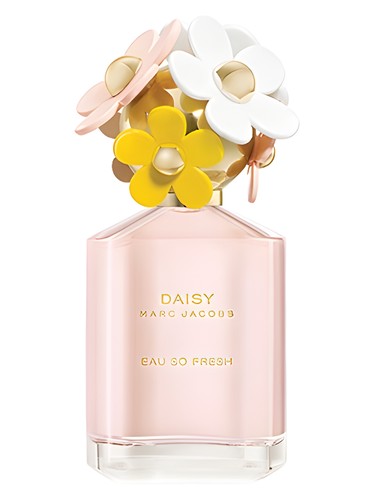
Daisy Love sits comfortably within a category of modern, fruity-fresh fragrances that prioritize wearability over complexity. Its closest companion is obviously Marc Jacobs'' own Daisy Eau So Fresh, though Daisy Love leans fruitier and less traditionally floral.
Burberry Her shares the fruity-musk DNA but adds a gourmand strawberry note that makes it sweeter. Chanel''s Chance Eau Tendre occupies similar olfactory territory but brings more refinement and better performance—at a correspondingly higher price point. Valentino Donna Born In Roma and Dior''s J''adore represent more full-bodied, evening-appropriate alternatives for those who want more presence and complexity.
Where Daisy Love distinguishes itself is in that cloudberry opening and its committed lightness. This isn''t trying to be all things to all people; it''s specifically designed for those seeking an uncomplicated, cheerful warm-weather fragrance.
The Bottom Line
With a rating of 4.01 out of 5 from 2,902 votes, Daisy Love has clearly connected with a substantial audience. That score reflects genuine appreciation tempered by real limitations. This is a well-crafted fragrance that succeeds at what it sets out to do—provide an easy-wearing, headache-free fruity scent for casual daytime wear.
The value question is more complicated. For someone who treasures lightweight summer fragrances and doesn''t mind reapplying, Daisy Love offers genuine charm. The cloudberry note alone makes it worth experiencing for those curious about less common fruit notes in perfumery. However, for those seeking all-day performance or considering it as their primary fragrance investment, the longevity issues and premium pricing may prove disappointing.
Who should try it? Anyone sensitive to heavy florals, those building a warm-weather fragrance wardrobe, and fragrance-wearers who prefer subtlety over statement-making. Sample first if possible—this is a scent that either fits your lifestyle perfectly or doesn''t quite justify the investment.
AI-generated editorial review