First Impressions
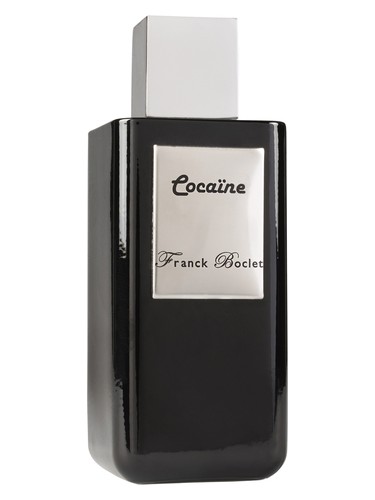
The provocation begins before you even lift the cap. Franck Boclet''s 2017 release announces itself with a name designed to raise eyebrows and spark conversation—or controversy. But beneath the deliberately shocking moniker lies something altogether more baroque: a white floral bomb detonated in a cloud of caramelized smoke. The first spray delivers an immediate contradiction—the bitter snap of orange colliding with creamy caramel, while tobacco leaves smolder in the background. Red berries add a tart brightness that feels almost out of place, like finding fruit salad at a burlesque show. This is tuberose theater, unabashedly sweet and unapologetically loud, signaling from the first moment that subtlety was never part of the blueprint.
The Scent Profile
The opening act wastes no time establishing its dual personality. Caramel arrives thick and buttery, the kind that coats your tongue, but it''s immediately checked by bitter orange''s citrus punch and tobacco''s dry, slightly leathery presence. Red berries weave through this unlikely pairing, adding jammy sweetness that amplifies the gourmand tendencies while the tobacco grounds everything before it floats away entirely into confectionery territory. It''s a crowded, noisy introduction that demands attention.
As the fragrance settles into its heart, the white floral symphony takes center stage—and this is where Cocaïne truly reveals its character. Tuberose dominates with creamy, almost narcotic intensity, flanked by lily''s clean powder and orchid''s subtle exoticism. This trio creates a wall of white petals that''s simultaneously elegant and overwhelming, walking that knife-edge between opulent and excessive. The tuberose here isn''t the green, mentholated variety; it''s full-bodied, indolic, verging on the animalic with a skin-like warmth that some will find intoxicating and others simply too much. The floral heart doesn''t so much develop as it envelops, creating a dense cloud that refuses to whisper when it can shout.
The base eventually softens the intensity with monoi oil''s tropical creaminess—that distinctly coconut-tinged note that evokes tanning oil and Pacific islands. Vanilla adds its familiar comfort, though it''s more supporting player than star, while patchouli provides an earthy foundation that prevents the entire composition from floating away on a sugar high. The drydown is where the fragrance finds its most wearable moment, when the initial caramel-tobacco clash and the white floral assault finally settle into something approaching harmony: warm, sweet, slightly exotic, with just enough edge to remind you this was never meant to be safe.
Character & Occasion
The community data tells a clear story: this is winter''s child, thriving in cold weather when its dense sweetness feels comforting rather than cloying. Fall runs a close second at 94% suitability, while spring (48%) and summer (32%) trail significantly behind—hardly surprising given the fragrance''s substantial presence and gourmand leanings. Heat would amplify everything here that''s already turned up to eleven.
The day-night split is equally revealing: while it technically wears at 50% during daylight hours, it truly comes alive after dark at 91%. This is a fragrance that wants mood lighting, not fluorescent office glare. Think dinner reservations, cocktail bars, evening events where making an entrance is part of the plan. The combination of caramel, tuberose, and vanilla creates a scent signature that lingers in a room after you''ve left it—for better or worse, depending on your perspective and proximity to others.
This is decidedly a fragrance for those who wear perfume as statement rather than suggestion. If your style leans toward the bold, if you''ve worn Black Opium and thought "nice, but could be stronger," if tuberose makes your heart race rather than your nose wrinkle—Cocaïne might speak your language.
Community Verdict
With 4,038 votes landing at a 3.1 out of 5 rating, the community response sits firmly in "interesting but divisive" territory. This isn''t a cult favorite with a small devoted following, nor is it widely dismissed—the substantial vote count indicates significant interest and试wearings, but the middling score suggests it doesn''t convert everyone who tries it. That gap between curiosity (driven partly, no doubt, by the provocative name) and satisfaction tells its own story. Cocaïne succeeds in getting attention; whether it holds it depends entirely on your tolerance for its maximalist approach to both sweetness and white florals.
How It Compares
The "similar fragrances" list reads like a who''s who of modern feminine powerhouses: Alien''s jasmine overdrive, Black Opium''s coffee-vanilla addiction, Hypnotic Poison''s almond intoxication, the musky sensuality of Narciso Rodriguez For Her, and Coco Mademoiselle''s patchouli elegance. What Cocaïne shares with these is ambition and presence—these are all fragrances that make themselves known. Where it distinguishes itself is in that particular caramel-tobacco opening and the almost tropical quality of its base. It''s sweeter than Alien, less coffee-focused than Black Opium, more overtly floral than Hypnotic Poison. In this company, it''s the louder, less refined cousin—which could be exactly the point.
The Bottom Line
Franck Boclet''s Cocaïne is a fragrance that seems designed to polarize, from its attention-grabbing name to its white-floral-meets-caramel-gourmand composition. The 3.1 rating reflects this polarization accurately: it''s neither a disaster nor a masterpiece, but rather a boldly executed idea that resonates with some noses and overwhelms others.
For those who live for tuberose, who crave sweetness without apology, who want their fragrance to announce them before they enter a room—particularly in cold weather, particularly at night—this warrants exploration. The price point (typically mid-range for a niche-adjacent brand) makes experimentation less risky than true luxury pricing would demand.
However, if you prefer your florals sheer, your gourmands balanced, or your compliments subtle, this likely isn''t your bottle. Cocaïne doesn''t do subtle. It does dramatic, tropical, sweet, and unapologetically bold. Whether that''s intoxicating or exhausting depends entirely on what you''re seeking when you reach for a bottle.
AI-generated editorial review