First Impressions
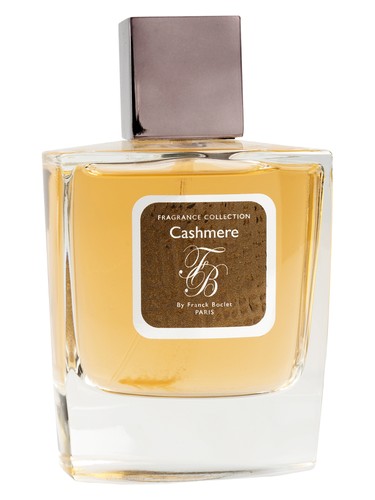
The first spray of Franck Boclet''s Cashmere is a study in contrasts—a bright flash of grapefruit cutting through air already warming with pink pepper''s tingling bite. But this isn''t a citrus fragrance playing at freshness. Within moments, that opening shimmer gives way to something far more complex and enveloping. The name isn''t metaphorical; this is texture in liquid form, a scent that seems to wrap around your wrists like the softest knit, somehow managing to feel both bright and deeply comforting from the very first moment.
Released in 2017 as part of Boclet''s feminine line, Cashmere announces itself as a fragrance that refuses easy categorization. Yes, there''s fruit. Yes, there''s spice. But beneath it all pulses an amber heart so dominant—registering at a perfect 100% in its accord structure—that everything else becomes an accessory to that glowing, resinous core.
The Scent Profile
Grapefruit and pink pepper form an unlikely but brilliant opening gambit. The citrus provides a fleeting tartness, a moment of brightness before the pepper introduces its aromatic heat—not aggressive, but insistent. This top note phase is brief, almost a formality, as if the fragrance is eager to reveal its true nature.
The heart is where Cashmere shows its cards. Cinnamon and cloves surge forward with a warm spicy accord that scores 83% in intensity, creating a middle phase that feels simultaneously festive and sophisticated. But here''s where Boclet''s composition takes an unexpected turn: leather. Woven through those baking spices is a supple, broken-in leather note that adds depth without darkness, texture without toughness. It''s not the creaking saddle leather of traditional masculines, but something softer, more intimate—perhaps a well-loved jacket or the seats of a vintage car.
The base is where the fragrance earns its name and its devotion. Amber and benzoin create a resinous foundation that glows with warmth, while cashmere wood lives up to its billing with a fuzzy, almost tactile quality. Cedar and vetiver provide the structural woody accord (53%) that keeps all this sweetness and spice from becoming cloying. The vetiver in particular acts as an earthy anchor, its slightly smoky facets complementing the musky undertones (24%) that emerge in the dry-down. This is a base that lasts—hours later, you''ll catch wafts of that amber-wood combination on your clothes, still warm, still inviting.
Character & Occasion
Cashmere is a cold-weather devotee, and the community data confirms what your nose already knows. Fall registers at 100% suitability, with winter close behind at 95%. This is a fragrance built for crisp air and cozy evenings, for walks through autumn leaves and dinners by firelight. Spring wearers (24%) are brave souls who appreciate its warmth even as temperatures rise, while summer (10%) is basically a no-go unless you''re in air conditioning or enjoy feeling like you''re wearing a wool sweater in July.
The day/night split is revealing: 63% day versus 57% night. This near-parity suggests remarkable versatility within its seasonal wheelhouse. The spiced brightness makes it office-appropriate without being prim, while that amber-leather depth gives it enough presence for evening wear. It''s the rare fragrance that works equally well for a Saturday morning coffee run in your favorite sweater or a candlelit dinner date.
Marketed as feminine, Cashmere''s warm spicy and woody accords (47% cinnamon specifically) give it significant crossover appeal. Anyone drawn to gourmand-adjacent orientals with backbone will find much to love here, regardless of the gender designation on the bottle.
Community Verdict
With 878 votes landing at a solid 4.03 out of 5, Cashmere has clearly struck a chord. This isn''t niche-adjacent obscurity—this is a fragrance that''s been discovered, worn, and championed by a substantial community. That rating suggests broad appeal: high enough to indicate real quality and artistry, but not so stratospheric that it''s only appreciated by die-hard collectors.
The substantial vote count also indicates longevity in the market and word-of-mouth momentum. People aren''t just trying Cashmere; they''re wearing it enough to form opinions worth sharing. For a 2017 release that''s neither a flanker nor backed by massive marketing, that''s impressive staying power.
How It Compares
The comparison list reads like a who''s who of modern amber and oriental fragrances. Baccarat Rouge 540 shares that glowing, almost luminous quality, though it skews sweeter and more ethereal. Ambre Sultan offers a denser, more resinous take on amber, while Shalimar brings old-school glamour to similar territory. By the Fireplace leans into the cozy, smoky aspects that Cashmere only hints at, and Angels'' Share emphasizes the boozy, cognac-soaked warmth.
Where Cashmere carves its niche is in that leather-spice combination wrapped in amber softness. It''s warmer and spicier than Baccarat Rouge, more wearable than Ambre Sultan''s intensity, more modern than Shalimar, and more refined than By the Fireplace''s campfire drama. It occupies a sweet spot: accessible luxury with enough complexity to reward attention.
The Bottom Line
Franck Boclet''s Cashmere delivers exactly what it promises—a warm, enveloping fragrance that feels like luxury you can wear. The 4.03 rating reflects a well-executed vision: this isn''t revolutionary perfumery, but it''s exceptionally well-done comfort scenting with enough spice and leather to keep things interesting.
The value proposition depends on your fragrance wardrobe needs. If you''re missing a sophisticated cold-weather amber with personality, Cashmere fills that gap beautifully. Its versatility across day and night situations means you''ll actually wear it, not just admire it on your shelf.
Who should seek this out? Anyone who loves the idea of gourmand orientals but wants something less overtly sweet. Amber lovers looking for a spicy twist. People who find most leather fragrances too masculine but want that textural element. And anyone whose favorite season involves boots, scarves, and warm drinks in both hands.
Cashmere isn''t trying to revolutionize your fragrance philosophy. It''s simply offering to make your autumn and winter days smell—and feel—a little more luxurious. Sometimes, that''s exactly enough.
AI-generated editorial review