First Impressions
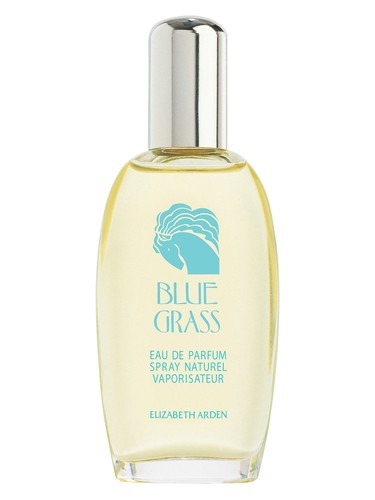
The first spray of Blue Grass is a clarion call from another era—bright aldehydes crackling over a bed of lavender and citrus, announcing themselves with the confidence of a fragrance that has nothing left to prove. This is not a shy introduction. Within seconds, the spice begins to assert itself, and you understand why warm spicy registers at 100% in this composition''s accord profile. There''s a soapy cleanliness here, yes, but it''s threaded through with something more complex: a peppery sharpness, an herbal aromatic quality (78%) that prevents this from ever feeling purely nostalgic or bathroomy. Elizabeth Arden launched this in 1936, and somehow it still feels relevant—not because it''s been modernized, but because certain truths in perfumery remain eternal.
The Scent Profile
Blue Grass opens with a robust cocktail of aldehydes, lavender, and geranium, supported by lily, bergamot, orange blossom, and neroli. The aldehydes here aren''t the champagne-bubble variety of certain Chanel classics; they''re bolder, almost waxy, creating a fresh-pressed linen effect that immediately signals "clean" to the modern nose. The lavender and geranium contribute to that strong aromatic quality, while the citrus notes (bergamot, neroli) and orange blossom add brightness without sweetness.
The heart is where Blue Grass earns its reputation. Carnation dominates—spicy, clove-tinged, almost peppery in its intensity. This isn''t a delicate floral; it''s a statement. Alongside the carnation, you''ll find more lavender (creating a through-line from top to heart), plus supporting florals in jasmine, tuberose, rose, and narcissus, with bay leaf and explicit spices (clove) reinforcing that warm spicy character. The white floral accord (53%) and general floral presence (46%) never overshadow the spice; instead, they provide a soft-petaled backdrop for the carnation''s performance.
The base brings warmth and grounding: benzoin, sandalwood, vetiver, musk, cedar, and tonka bean. Here, the fragrance settles into a woody, slightly sweet skin scent with enough vetiver to keep things from going too cozy, enough musk to maintain presence, and enough benzoin and tonka to provide a subtle vanilla-resinous cushion. The longevity surprises many wearers—this base has staying power.
Character & Occasion
Blue Grass scores 100% for daytime wear and only 30% for evening, which tells you everything about its personality. This is a fragrance for being competent, put-together, and approachable—not for seduction or mystery. The data shows it excelling in spring (88%) and fall (68%), with respectable summer performance (57%) and moderate winter suitability (43%). That aromatic-spicy-fresh profile works beautifully in transitional weather, when you want something with substance that won''t overwhelm in warmth.
This is office-appropriate scent-making at its finest. The clean, fresh quality (often compared to high-quality shampoo by community members) reads as professional and polished. It''s versatile for everyday casual wear, equally at home at a weekend brunch or a Tuesday morning meeting. Who should reach for Blue Grass? Those who appreciate vintage structures, carnation lovers, anyone seeking a daytime signature that leans more herbaceous-spicy than sweet-floral. Just know that if you''re looking for something sensual or evening-appropriate, this probably isn''t your bottle.
Community Verdict
With a sentiment score of 8.2/10 based on 32 opinions, the Reddit fragrance community views Blue Grass quite favorably—though not without caveats. The most consistent praise centers on that clean, fresh scent reminiscent of quality shampoo, and the strong, well-executed carnation note that gives the fragrance its distinctive character. Many users report excellent longevity, with the scent lasting all day.
However, the cons reveal important considerations. Longevity is inconsistent—while some experience all-day wear, others find themselves reaching for frequent reapplication. The fragrance can be polarizing when overapplied, with some describing it as "cold and unsexy." There''s also significant variation between vintage and modern formulations, meaning your experience may depend on which version you encounter. The overall consensus positions it as excellent for everyday wear in appropriate settings, but it requires a light hand and realistic expectations about its personality—this is not a crowd-pleasing modern safe bet.
How It Compares
Blue Grass sits comfortably alongside other aldehydic-floral classics from the mid-20th century. Its similar fragrances list reads like a who''s who of vintage sophistication: L''Air du Temps by Nina Ricci, Arpège by Lanvin, Aromatics Elixir by Clinique, Vanderbilt by Gloria Vanderbilt, and Kenzo Jungle L''Elephant. What distinguishes Blue Grass is that dominant carnation-spice character—it leans more aromatic and peppery than the dove-soft L''Air du Temps, more straightforward than the herbal complexity of Aromatics Elixir. It occupies a space where aldehydes meet herbaceous spice, creating something cleaner and less overtly romantic than many of its peers.
The Bottom Line
At 3.52 out of 5 stars from 1,359 voters, Blue Grass isn''t universally beloved, but it has earned its place as a respected classic. The rating reflects both its genuine quality and its old-fashioned sensibility—this won''t appeal to those seeking gourmand sweetness or modern minimalism. But for what it is—a well-constructed, spicy-aromatic aldehydic fragrance with excellent daytime versatility—it delivers.
The value proposition is strong; Elizabeth Arden''s pricing makes this accessible for those curious about vintage structures without the vintage price tag. Should you try it? Absolutely, if you love carnation, appreciate aromatic compositions, or want to understand what "clean spicy" smelled like before everything became aquatic or fruity. Just sample first if possible, apply with restraint, and prepare for something refreshingly uncompromising in its old-school character.
AI-generated editorial review