First Impressions
The first spray of Lanvin Avant Garde announces itself with a crackling energy—a dual-pepper assault softened by bergamot''s citrus brightness and juniper''s green, resinous bite. It''s spicy without being aggressive, fresh without leaning clean. There''s an immediate sense of structure here, like glimpsing the framework of a building before the walls go up. The opening feels decidedly masculine in the classical sense, pulling from the aromatic-spicy playbook that defined men''s fragrances of the early 2010s, yet there''s something about that pepper-juniper combination that hints at the "avant garde" promise of its name—even if that promise doesn''t quite revolutionize the genre.
The Scent Profile
The heart of Avant Garde is where things get genuinely interesting. As the pepper settles, a distinctive beeswax accord emerges—waxy, slightly sweet, with an organic warmth that sets this fragrance apart from its contemporaries. This isn''t the clean lavender of fougères past; instead, the lavender here is wrapped in cardamom and nutmeg, creating a spiced herbal character that feels almost culinary. The beeswax acts as a binding agent, giving the middle phase a textural quality that''s simultaneously smooth and granular, like running your fingers along honeycomb.
The base is where Avant Garde settles into familiar but well-executed territory. Tobacco dominates, rich and slightly sweet, supported by benzoin''s vanilla-tinged resinousness and amber''s golden warmth. Vetiver provides an earthy, woody foundation that keeps the sweetness from becoming cloying. This is the phase where the fragrance reveals its true character: a warm, enveloping amber-tobacco composition that wears close to the skin but maintains presence. The tobacco here isn''t the honey-dripping sweetness of some modern interpretations, but rather a drier, more contemplative take—aromatic rather than gourmand, though still decidedly warm.
Character & Occasion
The data tells a clear story: Avant Garde is a cold-weather companion. With winter scoring a perfect 100% and fall at 97%, this is emphatically not a fragrance for humid days or beach vacations. That 13% summer rating isn''t a suggestion—it''s a warning. The amber-tobacco-beeswax combination creates a warmth that would suffocate in heat but provides exactly the right cocoon when temperatures drop.
Interestingly, while it performs at 73% for daytime wear, it truly comes alive at night, scoring 91% for evening occasions. This makes sense given the tobacco and amber dominance—these are notes that thrive in low light, in restaurants and bars, in intimate settings where projection matters less than quality. This is a fragrance that works for the office in winter but really earns its keep during evening events, dates, and social gatherings where you want to smell distinctive without shouting.
The masculine classification feels accurate without being exclusionary. This is decidedly not unisex in the modern sense, but it''s approachable enough that anyone drawn to warm, spicy-aromatic profiles will find something to appreciate.
Community Verdict
Here''s where things get fascinating—and a bit melancholic. The Reddit fragrance community gives Avant Garde a mixed sentiment score of 6.5/10, and the conversation reveals a peculiar dynamic: this is a fragrance more admired than worn, more remembered for its bottle than its juice.
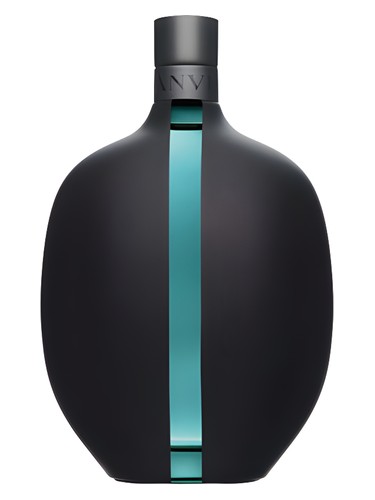
The pros are telling: users consistently praise the distinctive, memorable bottle design (that chess-piece-meets-skyscraper aesthetic is hard to forget), acknowledge noticeable projection and longevity, and recognize a unique scent profile. Yet the cons paint a picture of a fragrance that''s fading from relevance: it''s been discontinued, there''s limited discussion of actual scent performance, and it appears overshadowed by other fragrances in collections.
The community summary is particularly revealing: "primarily remembered for its distinctive bottle design rather than extensive fragrance discussion." Based on 65 opinions, the verdict is that Avant Garde has become a collector''s piece—valued for aesthetics and uniqueness but largely retired from active rotation. Its discontinuation has created a sort of premature nostalgia, transforming it from a wearable fragrance into a conversation piece.
How It Compares
The similar fragrances list reads like a greatest hits of masculine warm-spicy perfumery: The One for Men, A*Men Pure Havane, London for Men, Le Male, La Nuit de l''Homme. Avant Garde shares DNA with these classics—particularly the amber-tobacco-spice axis—but it''s arguably more restrained than most. Where Pure Havane goes full gourmand and Le Male plays with lavender-vanilla contrasts, Avant Garde opts for that distinctive beeswax note and a drier tobacco treatment. It''s less immediately seductive than La Nuit de l''Homme, less powdery than The One, less brash than Le Male.
In this company, Avant Garde is the understated one, the intellectual in a room of charmers—which may partially explain why it''s been discontinued while others thrive.
The Bottom Line
That 4.28/5 rating from 1,915 votes tells us that people who wore Avant Garde genuinely liked it. This isn''t a polarizing fragrance or a disappointment; it''s competent, well-constructed, and distinctive in specific ways (that beeswax!). But competence and distinctiveness don''t always translate to commercial success or lasting relevance.
Should you seek it out? If you''re a collector drawn to architectural bottles and fragrances with a story, absolutely. If you love warm amber-tobacco scents and want something slightly different from the usual suspects, it''s worth exploring—though discontinued status means hunting the secondary market. For those building a practical rotation of winter eveningwear, you might be better served by the more accessible alternatives that share its profile.
Avant Garde ultimately lives up to its name not through revolutionary composition but through its peculiar fate: a well-made fragrance that became a beautiful artifact, proof that in perfumery, sometimes being ahead of your time means being forgotten in it.
AI-generated editorial review