First Impressions
The first spray of Arpège is like opening a time capsule from 1927—a brilliant burst of aldehydes that fizz and sparkle across the skin, immediately announcing their vintage pedigree. This is not the polite, restrained introduction of modern perfumery; it''s an entrance worthy of a grand ballroom, where lily-of-the-valley mingles with peach and honeysuckle in a luminous cloud. The aldehydes lift everything skyward, creating that distinctive soapy-effervescent quality that defined elegance in the pre-war era. Bergamot and neroli add citrus brightness to the composition, but they''re supporting players to the aldehydic fireworks. This opening is unapologetically bold, a reminder that Jeanne Lanvin created this fragrance for her daughter—a gift of musical notes translated into scent, each element playing its part in a carefully orchestrated symphony.
The Scent Profile
As Arpège settles into its heart, the true artistry of this composition reveals itself. The white floral accord—dominant at 100%—unfolds like a garden at midnight, with jasmine and ylang-ylang taking center stage. But this isn''t a simple floral solifloquy. Lily-of-the-valley persists from the opening, now joined by iris, rose, lily, and the surprisingly lush note of camellia. The inclusion of coriander and geranium adds an aromatic dimension that prevents the florals from becoming too saccharine or one-dimensional. This heart is rich, complex, and decidedly vintage in its construction—layers upon layers of precious florals that would be prohibitively expensive to recreate with such generosity today.
The woody base notes provide the foundation that allows this ethereal composition to remain grounded. Sandalwood and vetiver offer dry, earthy counterpoints to the florals, while amber and benzoin contribute warmth and resinous depth. Musk adds subtle animalic undertones, and patchouli brings an edge of sophistication. Vanilla softens the whole affair, but this is no gourmand sweetness—it''s the kind of refined vanilla that whispers rather than shouts. The powdery accord (53%) becomes more apparent as the fragrance dries down, creating that signature vintage quality that evokes face powder, silk stockings, and an era of uncompromising glamour.
Character & Occasion
Arpège occupies a peculiar space in the modern fragrance landscape—it''s rated equally for all seasons, suggesting a versatility that transcends weather or temperature. This makes sense for a composition so balanced between fresh aldehydes, white florals, and warm woods. The fragrance feels equally at home on a spring morning as it does on an autumn evening, though its richness might feel overwhelming in extreme heat.
What''s most telling is the complete absence of day or night preference in the data. This isn''t a fragrance that plays by contemporary rules of "office appropriate" versus "date night." Arpège exists in its own temporal realm, suitable for anyone who appreciates the artistry of vintage perfumery regardless of the hour. That said, its 61% aldehydic character and formal bearing make it particularly well-suited to occasions that demand a certain gravitas—gallery openings, classical concerts, formal dinners where conversation flows as gracefully as the champagne.
This is unequivocally a feminine fragrance, but one that reflects 1927''s vision of femininity: confident, cultured, and unafraid of complexity.
Community Verdict
The fragrance community holds Arpège in considerable esteem, awarding it a solid 3.98 out of 5 stars across 4,626 votes—a respectable showing for a nearly century-old composition. The sentiment leans decidedly positive at 7.5 out of 10, with passionate advocates praising its historical significance and status as an icon from perfumery''s golden age.
The conversation around Arpège, however, reveals a fascinating dichotomy. Vintage formulations are consistently praised as superior to modern releases, with collectors actively seeking pre-reformulation bottles. There''s genuine reverence for what this fragrance represents—a level of craftsmanship and ingredient quality that many believe no longer exists in commercial perfumery.
But this nostalgia comes with practical challenges. The community is frank about the difficulties of acquiring vintage Arpège in good condition. Time takes its toll; top notes in older bottles may have degraded, leaving the composition unbalanced. The formulations have changed significantly from the original, meaning that buying contemporary Arpège is an entirely different experience than wearing the fragrance Jeanne Lanvin first created.
The consensus points to Arpège as essential for fragrance collectors, historical enthusiasts, and those seeking something special for formal occasions. It''s less about daily wear and more about preservation of olfactory heritage.
How It Compares
Arpège exists in rarefied company. Its similar fragrances read like a hall of fame: Chanel No 5, L''Air du Temps, Dune, Organza, and Samsara. These are the grandes dames of perfumery, and Arpège holds its own among them. Where Chanel No 5 leans more aggressively aldehydic, Arpège offers greater floral warmth. Compared to the airiness of L''Air du Temps, Arpège feels more grounded, more substantial. It shares Samsara''s woody-oriental tendencies but maintains a brighter, more vintage character.
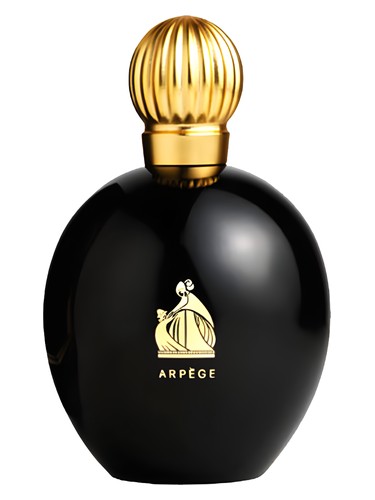
What distinguishes Arpège is its musical heritage—the bottle shaped like a musical note, the name itself meaning "arpeggio." This isn''t just marketing; the composition truly feels orchestrated, each note contributing to a harmonious whole.
The Bottom Line
Arpège deserves its place in the pantheon of classic perfumery. Its 3.98 rating reflects both admiration for its historical importance and honest acknowledgment of its challenges. This isn''t an easy fragrance for the modern nose—it demands appreciation for vintage aesthetics and acceptance of a more formal, composed style of perfumery.
For collectors and vintage enthusiasts, hunting down a well-preserved bottle is worthwhile, though expect to pay accordingly and accept the risk of degraded top notes. For those simply curious about perfume history, the modern formulation offers a glimpse into Arpège''s architecture, even if the materials have changed.
Should you try it? Absolutely, if you want to understand where contemporary perfumery came from. Arpège is a masterclass in white floral composition, a fragrance that reminds us that true luxury isn''t about projection or longevity—it''s about artistry, balance, and the courage to create something timeless.
AI-generated editorial review