First Impressions
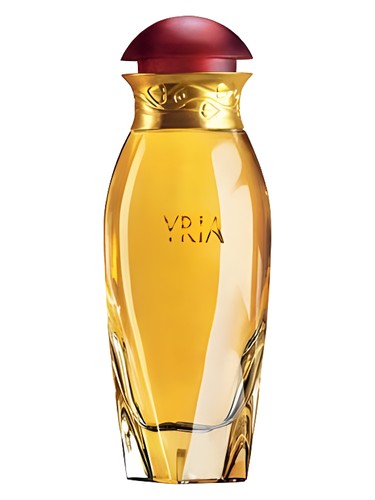
The first spray of Yria reveals Yves Rocher''s ambitious vision from the early 2000s: a perfume that refuses to whisper. Bright mandarin orange and bergamot burst forth immediately, but there''s an unexpected twist—coriander adds a spicy, almost herbal sharpness that keeps the citrus introduction from veering into simple freshness. This is no delicate eau de cologne opening. Instead, Yria announces itself with authority, the aromatic quality of that coriander hinting at the complex white floral symphony waiting just beneath the surface. Within minutes, you sense this fragrance has architecture—layers upon layers designed to unfold over hours, not minutes.
The Scent Profile
The transition from top to heart happens with theatrical flair. As the citrus brightness begins to soften, Yria''s true nature emerges: an unabashedly generous white floral bouquet that dominates the composition completely. Jasmine takes center stage, creamy and indolic, supported by gardenia''s velvety richness and magnolia''s lemony brightness. Rose adds a classic floral elegance, while lily-of-the-valley contributes a green, dewy quality that prevents the heart from becoming overly heavy. This is white floral perfumery at maximum volume—lush, narcotic, and utterly feminine in the traditional sense.
What makes Yria compelling, however, is how it refuses to remain a simple floral showcase. The base notes begin their slow entrance even while the heart is in full bloom, creating a seamless gradient rather than distinct phases. Amber and vanilla wrap around those white flowers like cashmere, adding warmth and sweetness without tipping into dessert territory. Sandalwood provides a creamy, woody foundation that grounds the composition, while patchouli contributes earthy depth. Tonka bean bridges the gap between the floral heart and sweet base, its almond-like facets adding complexity. The result is a fragrance that reads as simultaneously bright and rich, floral and amber, fresh yet decidedly cozy.
The dry down settles into a skin-warming embrace where the white florals become ghosts of their former intensity, allowing the amber-vanilla-sandalwood trio to shine. There''s still enough floral DNA to remind you of the journey, but now you''re wrapped in that woody-amber glow that makes this perfume so well-suited to cooler weather. The vanilla never becomes cloying; instead, it adds roundness and comfort, the olfactory equivalent of pulling on your favorite sweater.
Character & Occasion
Yria is decidedly a cold-weather companion, and the community consensus bears this out strongly: fall scores a perfect rating for suitability, with winter close behind at 92%. Spring and summer, by contrast, register at just 22% and 14% respectively. This makes perfect sense—the density of white florals combined with that rich amber-vanilla base would feel stifling in heat but becomes utterly cocooning when temperatures drop.
The day-versus-night breakdown tells an interesting story. While it scores 62% for daytime appropriateness, the night rating jumps to 88%. Yria has presence and projection that come alive in evening settings—dinner dates, theater outings, cocktail parties where you want to leave an impression. That said, the 62% day score suggests it''s not so overwhelming that it can''t be worn to the office, particularly in winter when heavier fragrances feel more appropriate. The key is application: a light hand for daytime, more generous spritzes when the sun goes down.
This is a fragrance for those who appreciate traditional femininity without apology. It''s not minimalist, not office-safe in the modern sense, and certainly not trying to be unisex. Yria belongs to an era when perfumes were meant to be noticed, when white florals weren''t considered old-fashioned, and when "too much" wasn''t yet part of the fragrance vocabulary.
Community Verdict
With a rating of 3.71 out of 5 from over 2,000 votes, Yria sits comfortably in "good to very good" territory. This isn''t a niche cult favorite with a tiny devoted following, nor is it universally acclaimed. The rating suggests a fragrance that delivers quality and enjoyment but may not be revolutionary or perfectly suited to contemporary tastes. For a perfume from a brand better known for accessible pricing than haute perfumery, this is a respectable showing. The substantial vote count—2,039 people—indicates this isn''t an obscure release but rather a fragrance that gained real traction and continues to have advocates more than two decades after its launch.
How It Compares
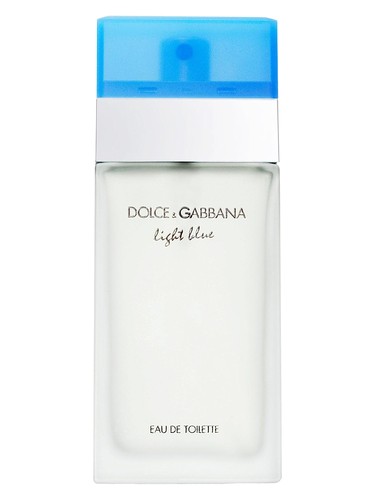
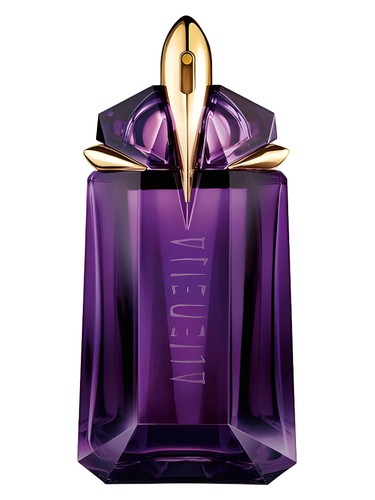
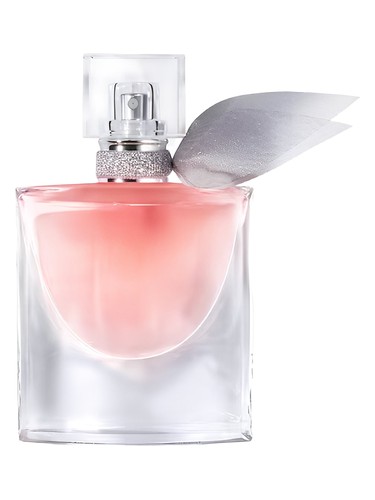
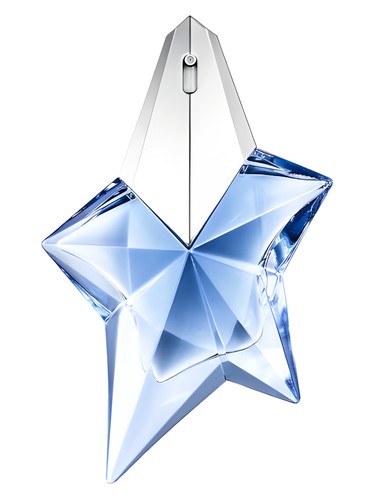
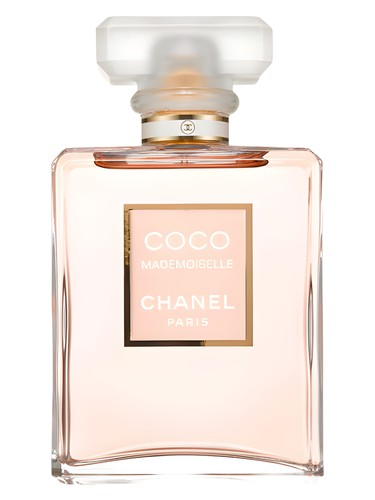
Yves Rocher positions Yria in distinguished company. Its closest sibling, So Elixir from the same brand, shares that amber-floral DNA. But the comparison to Chanel''s Coco Eau de Parfum and Coco Mademoiselle places Yria in conversation with true icons of white floral-amber perfumery. Dior''s Dune and Guerlain''s Shalimar round out the similar fragrances list, suggesting Yria occupies the warm, sophisticated, oriental-floral territory—what we might call the "luxurious evening floral" category.
The key difference? Accessibility. While those Chanel, Dior, and Guerlain references command premium prices, Yves Rocher has always operated in a more democratic space. Yria offers a taste of that prestige perfumery style without requiring the prestige perfumery investment.
The Bottom Line
Yria represents Yves Rocher''s ambition to create something memorable, and largely succeeds. It''s a white floral lover''s dream, particularly for those who want their florals wrapped in amber warmth rather than presented in stark, minimalist fashion. The 3.71 rating reflects reality: this is a well-constructed, enjoyable fragrance that may not break new ground but delivers consistent pleasure.
The value proposition remains compelling. While exact pricing varies by market, Yves Rocher''s positioning means Yria typically costs a fraction of those Chanel and Guerlain comparisons. For someone building a cold-weather fragrance wardrobe or looking for an evening scent with presence and polish, Yria deserves consideration.
Who should seek this out? Fans of white florals who don''t fear projection. Those who mourn the decline of unapologetically feminine fragrances. Anyone seeking a fall and winter signature that won''t appear on everyone else. And perhaps most importantly, perfume lovers who appreciate that quality and character don''t always require prestige pricing. Yria may have been released in 2001, but its appeal proves that good perfumery doesn''t have an expiration date.
AI-generated editorial review