First Impressions
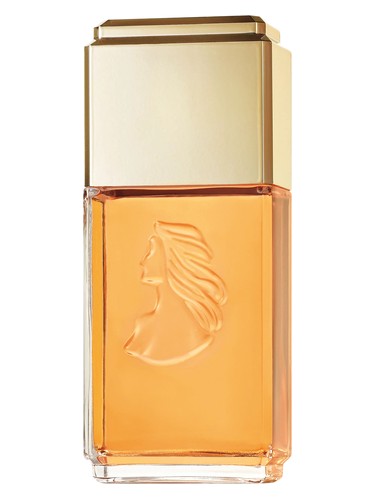
The first spray of White Shoulders feels like opening a time capsule from 1945—and I mean that as both compliment and caution. A bright burst of aldehydes announces itself with unapologetic confidence, the kind that modern perfumery has largely abandoned in favor of subtlety. African orange flower and green notes cut through the sparkle, tempering what could be soapy territory with a fresh, almost bitter edge. There''s peach lurking somewhere in this opening, but it''s not the jammy fruit of contemporary fragrances—it''s a vintage interpretation, more abstract and refined. This is a perfume that wears you before you wear it, demanding that you rise to meet its old Hollywood glamour rather than molding itself to your personality.
The Scent Profile
White Shoulders builds its reputation on a massive white floral heart, and it delivers with the subtlety of a 1940s MGM production number. After those aldehydic fireworks settle, gardenia takes center stage alongside tuberose—two of perfumery''s most opulent, indolic flowers. They''re joined by a supporting cast that reads like a botanical roll call: jasmine, lilac, lily, lily-of-the-valley, and iris all compete for attention, with a whisper of spice adding complexity to what could otherwise become overwhelmingly sweet.
This isn''t the clean, laundry-fresh white floral approach of modern interpretations. The tuberose here has teeth, retaining some of its natural rubbery, almost mentholated quality. The gardenia brings a creamy richness that borders on buttery. Together, they create a heady, narcotic bouquet that feels simultaneously elegant and provocative.
The base notes reveal where White Shoulders earns its animalic accord rating of 29%. Civet—now likely synthetic but formulated to recall the original—adds a warm, musky undercurrent that gives these pristine white flowers an unmistakably human quality. Oakmoss brings a chypre-like structure, while benzoin, sandalwood, amber, and musk create a powdery, resinous foundation. This drydown is where the fragrance finally softens, becoming more intimate and skin-like, though it never entirely loses that vintage projection.
Character & Occasion
The data tells a clear story: White Shoulders is overwhelmingly a spring fragrance (99%), followed by summer (69%). This makes intuitive sense—those white florals want warmth to bloom properly, and the green, fresh aspects (rated at 31% and 30% respectively) need seasonal context to avoid feeling harsh. Winter and fall ratings drop significantly to 42% and 41%, where the composition might feel at odds with the desire for cozier, warmer scents.
As a daytime fragrance, it scores a perfect 100%, while its night wear rating sits at just 45%. This speaks to White Shoulders'' fundamental character: it''s ladylike, proper, and radiant rather than seductive or mysterious. Think garden parties, spring luncheons, or any occasion where you want to project groomed elegance rather than sultry allure.
The white floral accord dominates at 100%, but that 29% animalic rating keeps it from being purely innocent. There''s a tension here between propriety and sensuality that defines mid-century feminine fragrance design—perfumes from this era wanted women to be both respectable and desirable, and the juxtaposition of clean florals with musky, animalic notes was how they achieved that balance.
Community Verdict
With a 3.85 out of 5 rating from 1,178 votes and a positive sentiment score of 7.5/10 from Reddit''s fragrance community, White Shoulders occupies interesting territory. Based on 55 community opinions, the consensus is respectful rather than rapturous.
The pros are straightforward: it''s recognized as an elegant, ladylike classic with historical significance. Community members appreciate its pleasing, pretty scent profile and particularly praise its value as a drugstore option—accessible luxury from another era.
The cons are equally honest: White Shoulders is polarizing and decidedly not for everyone. Multiple commenters acknowledge it as part of an older fragrance era that''s currently out of fashion. This isn''t a perfume trying to be relevant to contemporary tastes; it''s a time capsule that some people cherish and others simply don''t understand.
The community identifies its ideal wearers as vintage and retro enthusiasts, classic fragrance collectors, and those seeking nostalgic occasions. There''s a clear understanding that this is a niche appreciation—you need to either have memories attached to this scent or a genuine love for mid-century perfume aesthetics.
How It Compares
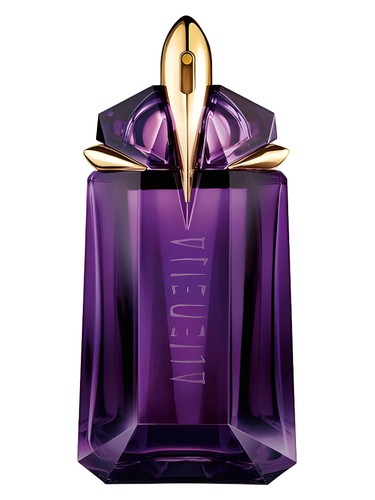
The similar fragrances list places White Shoulders in distinguished company: Organza by Givenchy, Alien by Mugler, Arpège by Lanvin, Ysatis by Givenchy, and Chanel No 5 Parfum. What these share is a commitment to bold, unapologetic composition—none are wallflowers.
The Chanel No 5 comparison is particularly apt, as both are aldehydic florals from the mid-20th century that helped define an era of feminine fragrance. Where No 5 maintains prestige through luxury branding, White Shoulders has become democratized, available at drugstore prices while maintaining much of its original formula integrity. Arpège offers similar vintage aldehydic character, while the inclusion of Alien (a much more modern fragrance) suggests that those who appreciate powerful, distinctive florals might find common ground across eras.
The Bottom Line
White Shoulders isn''t trying to win new converts, and that''s perhaps its greatest strength. At its accessible price point, it offers a genuine taste of 1940s perfume artistry without requiring you to hunt down vintage bottles or spend luxury prices. The 3.85 rating reflects its divisive nature honestly—this is a very good fragrance for what it is, but what it is won''t appeal to everyone.
Should you try it? Absolutely, if you have any interest in perfume history or vintage aesthetics. At drugstore prices, the risk is minimal and the education valuable. This is what women wore when they wore gloves and hats as everyday items, when femininity was more prescribed and perfume was expected to announce your presence.
For modern wearers, White Shoulders works best when approached with context and intention. Wear it to understand where contemporary white florals came from. Wear it on spring days when you want to feel put-together and feminine in a classical sense. Wear it because sometimes it''s refreshing to smell like someone''s elegant grandmother rather than everyone else at brunch.
Just don''t expect it to blend seamlessly into the minimalist, skin-scent era we currently inhabit. White Shoulders has been standing firm since 1945, and it has no intention of adapting now.
AI-generated editorial review