First Impressions
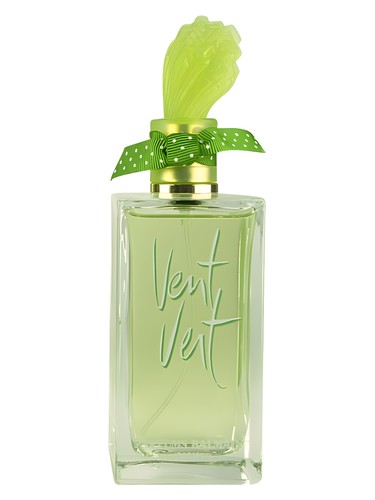
The first spray of Vent Vert is an unapologetic assault of green—not the gentle, dewy green of a suburban lawn, but the sharp, almost confrontational verdancy of freshly snapped stems and crushed leaves. This is green at its most literal, most uncompromising. Within seconds, a citrus brigade marches in—lime and lemon providing tart brightness while bergamot adds a more refined edge. The inclusion of asafoetida, an unusual and pungent note, lends a subtle savory quality that prevents this opening from becoming a simple citrus cologne. Instead, you''re wrapped in something that smells alive, almost botanical in its intensity. The basil note weaves through, herbal and slightly peppery, while peach adds the barest whisper of sweetness—just enough to remind you this is indeed a perfume, not a visit to a greenhouse.
The Scent Profile
As Vent Vert settles into its heart, the composition reveals its true complexity. Galbanum takes center stage, that resinous green note beloved by perfumers of classic green fragrances. It''s joined by an intricate floral bouquet that somehow never overwhelms the verdant core. Lily-of-the-valley contributes its clean, almost soapy freshness, while jasmine and ylang-ylang add indolic richness. Rose and violet provide a powdery counterpoint, and freesia brings transparent florals to the mix. The marigold note is particularly interesting—slightly spicy, with an almost metallic edge that reinforces the garden-fresh character. These florals don''t bloom in the traditional sense; they feel as if they''re still attached to their stems, rooted in earth and chlorophyll.
The base is where Vent Vert reveals its classical perfumery bones. Oakmoss provides that essential chypre foundation—earthy, slightly bitter, unmistakably sophisticated. Vetiver adds its own grassy, smoky character, while iris contributes a refined, almost lipstick-like powderiness. Sage extends the herbal theme established in the opening, bridging top and base beautifully. The supporting cast of musk, amber, and styrax provides warmth and longevity without sweetening the composition too dramatically. Sandalwood and cedar offer woody depth, grounding the entire structure in something solid and enduring. This isn''t a fragrance that disappears quickly—the base holds firm for hours, maintaining that green signature even as it softens.
Character & Occasion
The data tells a clear story: Vent Vert is quintessentially a spring fragrance, with 89% seasonal alignment to that time of renewal and growth. Summer follows at 75%, making it an excellent choice for warm weather when heavier florals would overwhelm. The dramatic drop to 28% for fall and 12% for winter confirms what your nose already knows—this is a fragrance that belongs in sunshine and warmth, not in the depths of December.
The day/night split is equally unambiguous: 100% day, 14% night. This isn''t a date-night perfume or an evening gown companion. Vent Vert is for meetings, brunches, garden parties, and long walks when the weather breaks. It''s a fragrance that projects competence and confidence without ever veering into aggressive territory. Who should wear it? Someone who appreciates the architectural beauty of classic perfumery, who doesn''t need their fragrance to be soft or approachable, who wants to smell distinctive rather than merely pleasant. This is a fragrance for those who find modern fruity-florals insipid and yearn for something with backbone.
Community Verdict
With a solid 4.1 out of 5 rating from 895 votes, Vent Vert has earned genuine appreciation from those who seek it out. This isn''t a mainstream darling—the green genre never achieves blockbuster status in contemporary markets—but among those who understand and love this style, it''s clearly valued. That rating, hovering above 4.0, suggests a fragrance that delivers on its promises. The substantial number of votes indicates this isn''t an obscure curiosity but rather a fragrance with a dedicated following who''ve taken the time to weigh in.
How It Compares
Vent Vert exists in distinguished company. Its similarity to Chanel N°19 and its Eau de Parfum flanker is telling—both share that galbanum-forward, uncompromisingly green character. Fidji by Guy Laroche offers another point in this constellation of verdant fragrances. The original Miss Dior (the true vintage formula) and Aromatics Elixir by Clinique round out the comparison set, all classics that refuse to bow to fleeting trends.
Where Vent Vert distinguishes itself is in its particular balance—slightly more aromatic and fresh-spicy than N°19, with a fuller white floral component than some of its peers. The 1991 reformulation of the original 1947 Germaine Cellier masterpiece inevitably softened some edges, but what remains is still a fragrance with conviction, maintaining that 100% green accord that defines its character.
The Bottom Line
Vent Vert isn''t for everyone, and it doesn''t pretend to be. This is a fragrance that demands something from its wearer: confidence, appreciation for perfumery history, and comfort with standing apart from the crowd. At 4.1 stars with substantial community input, it''s proven itself worthy of attention from serious fragrance lovers.
Should you try it? If you''ve ever smelled N°19 and wished it had more citrus brightness, if you find modern green fragrances too timid, or if you simply want a spring and summer signature that won''t appear on everyone around you, absolutely. This is daytime elegance in liquid form, a reminder that green fragrances, done well, possess a sophistication that transcends fashion. Vent Vert may be a reformulation of a legend, but it carries that legacy with grace.
AI-generated editorial review