First Impressions
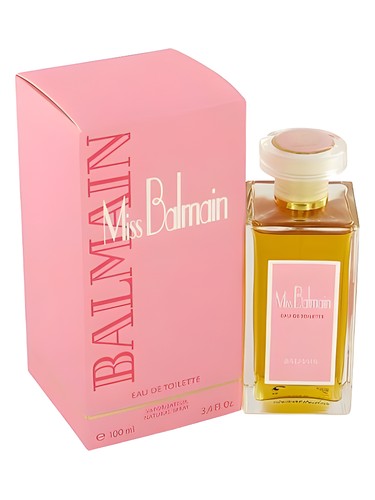
The first spray of Miss Balmain announces itself with the kind of unapologetic confidence that only truly great vintage fragrances possess. A sharp burst of aldehydes mingles with bright lemon and coriander—an unexpected spice that immediately signals this isn''t your typical floral innocence. The green notes cut through like scissors through silk, crisp and purposeful, while gardenia lurks beneath, creamy yet restrained. This is 1967 bottled: a time when femininity didn''t whisper, it spoke clearly.
What strikes you immediately is how earthy this composition feels. Not soil-under-your-fingernails earthy, but rather the scent of moss-covered stone in a formal French garden, of leather gloves left on a mahogany desk, of refined elements drawn from nature and shaped by human hands into something unmistakably sophisticated.
The Scent Profile
The opening act, dominated by those aldehydes and green notes, creates an almost effervescent quality—like champagne poured over garden herbs. The coriander adds an aromatic spiciness that feels simultaneously vintage and modern, a bridge between the crisp lemon and the creamy gardenia waiting to bloom. This top accord doesn''t linger long; it''s a prelude, not the main event.
As Miss Balmain settles, the heart reveals its true ambition: a robust bouquet that refuses to play coy. Carnation takes center stage with its spicy, clove-like character, supported by the powdery elegance of orris root and the narcotic sweetness of narcissus. Rose and jasmine provide the expected floral framework, but they''re tempered by lily-of-the-valley''s green freshness, preventing the composition from becoming too heady or overwhelming. This isn''t a soliflore showcase; it''s an orchestrated floral arrangement where each bloom knows its place.
The base is where Miss Balmain reveals its architectural genius. Leather emerges as a dominant force—soft, suede-like, expensive—grounded by oakmoss and vetiver that give the fragrance its distinctly earthy character. Patchouli adds depth without overwhelming, while amber warms the composition just enough. Most intriguing is the coconut note, which doesn''t read tropical but rather adds a subtle creaminess that rounds out the edges. Tonka bean brings a gentle sweetness to the finish, like the final period on a well-crafted sentence.
The progression isn''t linear so much as layered, with each stage revealing different facets depending on your skin chemistry and the ambient temperature. The aromatic and earthy accords remain constant companions throughout the wear, making this unmistakably a chypre in spirit if not strict formulation.
Character & Occasion
Miss Balmain is decidedly a cool-weather companion. The data speaks clearly: this is a fall fragrance first and foremost, with 95% suitability, followed by winter at 76%. The mossy, earthy base and substantial leather accord need crisp air to truly shine. In spring, at 61% suitability, it works during those transitional weeks when mornings still carry a chill. Summer? At just 29%, save it for air-conditioned offices or evening events if you must, but this isn''t a fragrance that loves heat.
The day-to-night versatility (100% day, 72% night) speaks to its sophisticated restraint. This is office-appropriate luxury—the scent equivalent of a perfectly tailored suit or a silk blouse with trousers. It commands respect without demanding attention. For evening wear, it brings gravitas to dinner parties and cultural events, though it might feel too formal for casual cocktails with friends.
Who is Miss Balmain for? The woman who appreciates structure, who values quality over trends, who isn''t afraid of fragrances with backbone. This isn''t for someone seeking soft, pretty florals or sweet, approachable scents. It''s for those who understand that elegance sometimes has an edge.
Community Verdict
With a 4.21 rating from 598 votes, Miss Balmain has earned genuine respect from those who''ve experienced it. This isn''t a cult following built on hype; it''s a solid appreciation from people who understand vintage composition and complex structures. The rating suggests a fragrance that rewards patience and understanding—not love at first sniff for everyone, but deeply satisfying for those on its wavelength.
The relatively substantial vote count for a 1967 fragrance indicates this isn''t lost to obscurity. People are still seeking it out, still forming opinions, still finding relevance in a formula created over half a century ago.
How It Compares
Miss Balmain sits comfortably among legendary company. Its kinship with Miss Dior speaks to shared DNA in aldehydic sophistication, while the Knowing comparison highlights that earthy, mossy character. The mention alongside Cabochard and Chanel N°19 places it firmly in the green chypre family, though Miss Balmain leans more aromatic and less aggressively green than N°19. The Fidji connection suggests a similar vintage construction philosophy.
Where Miss Balmain distinguishes itself is in that unusual blend of aromatic spiciness with earthy leather. It''s less purely green than N°19, less austere than Cabochard, more approachable than Knowing''s intensity. It occupies a sweet spot: complex enough for connoisseurs, wearable enough for everyday elegance.
The Bottom Line
Miss Balmain isn''t trying to seduce you with sweetness or comfort you with familiarity. It''s offering something more valuable: character. At 4.21 out of 5, it''s proven its worth across generations. For vintage fragrance lovers, it''s an essential exploration. For those building a serious collection, it fills a specific niche—that perfect fall day scent that bridges classic femininity with androgynous sophistication.
The challenge, of course, is availability. Vintage fragrances can be difficult to source, and formulations may vary. But for those who appreciate earthy, aromatic compositions with genuine complexity, the hunt is worthwhile. This is a fragrance that teaches you something about perfumery''s golden age—when houses weren''t afraid to challenge their customers, when "feminine" could mean strong, structured, and unapologetically sophisticated.
AI-generated editorial review