First Impressions
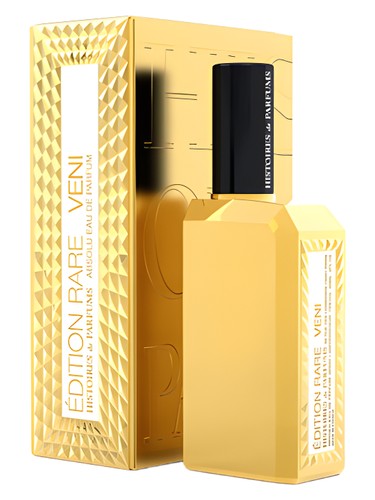
The first spray of Veni feels like stepping into a chilled autumn morning where smoke still lingers in the air from the night before. There''s an immediate jolt of cardamom and cinnamon that announces itself without apology, yet softer lavender threads weave through the heat, creating a compelling contradiction. This isn''t the polite, powdery lavender of grandmother''s sachet drawer—it''s herbal and green, almost medicinal in its clarity, thanks to a sharp galbanum edge that keeps the opening from tipping into holiday potpourri territory.
What strikes you first about Veni is its confident femininity that refuses to play by conventional rules. While labeled for women, this 2012 creation from Histoires de Parfums challenges the notion that feminine means floral or fruity. Instead, it opens a conversation about what warmth can mean on skin, building a bridge between aromatic fougère traditions and deep Oriental richness.
The Scent Profile
Veni''s architecture reveals itself in distinct chapters, each one building upon the last with deliberate intention. Those opening moments of cardamom and cinnamon create an almost tactile warmth, while lavender provides an unexpected aromatic coolness that prevents the spice from overwhelming. The galbanum adds a green, slightly bitter dimension—a sophisticated touch that grounds the sweeter elements to come.
As the fragrance settles into its heart, saffron emerges with its characteristic leathery-metallic shimmer, adding complexity and a touch of exoticism. This is where Veni begins its transformation from aromatic spice bomb to something more nuanced. Guaiac wood brings a smoky, almost medicinal quality that deepens the composition, while marigold offers subtle floral relief—earthy and slightly pungent rather than prettily sweet. This middle phase feels like the fragrance finding its true voice, balancing between masculine structural elements and a warmer, more enveloping presence.
The base is where Veni truly reveals its Oriental heart. Caramel and vanilla create a gourmand sweetness that could easily become cloying, but the composition smartly anchors these elements with patchouli''s earthiness, benzoin''s resinous depth, and oakmoss''s bitter greenness. Ambergris adds a salty, skin-like quality, while musk ensures the entire creation melds seamlessly with your body chemistry. The result is a warm spicy-amber hybrid that feels both comforting and provocative—caramel without the candy shop, vanilla without the cupcake.
Character & Occasion
The data tells a clear story: Veni is autumn and winter''s companion, scoring perfect marks for fall wear and impressive numbers for winter (77%). This makes intuitive sense when you consider the warm spicy dominance at 100% and that amber-balsamic foundation. This is a fragrance for cooler weather, when its richness can unfold without becoming oppressive.
Interestingly, while spring registers at 52%—making it occasionally wearable during transitional months—summer languishes at just 23%. Save this one for when temperatures drop and you can layer sweaters; Veni needs room to breathe without competing with humidity and heat.
The day versus night split (70% day, 78% night) reveals Veni''s versatility. It''s perfectly appropriate for daytime wear—that lavender-cardamom opening keeps it from being too heavy for morning meetings or lunch appointments. Yet it truly shines after dark, when the caramel-vanilla base can work its seductive magic. Think cozy dinners, gallery openings, or evening walks through city streets where the glow of streetlights catches amber in storefront windows.
This is a fragrance for someone who appreciates complexity over simplicity, warmth over freshness, and isn''t afraid of a perfume with personality.
Community Verdict
With a solid 4.03 out of 5 rating from 513 community votes, Veni has clearly found its audience. This isn''t a love-it-or-hate-it polarizer, but rather a well-crafted composition that earns consistent appreciation. The rating suggests a fragrance that delivers on its promise—unusual enough to be interesting, wearable enough to become a signature.
Over 500 votes provide statistically meaningful feedback, and that 4+ rating indicates Veni succeeds where it matters: longevity, projection, and that crucial question of whether you''d want to wear it again. These aren''t spectacular, hall-of-fame numbers, but they represent genuine approval from a community that''s smelled thousands of fragrances.
How It Compares
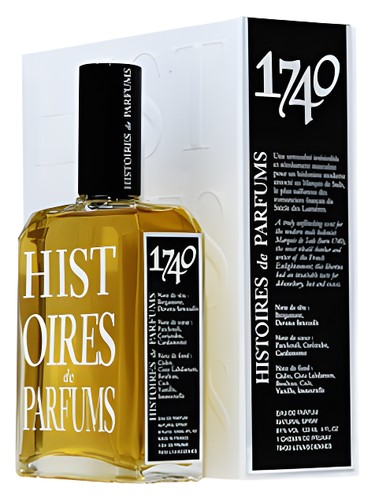
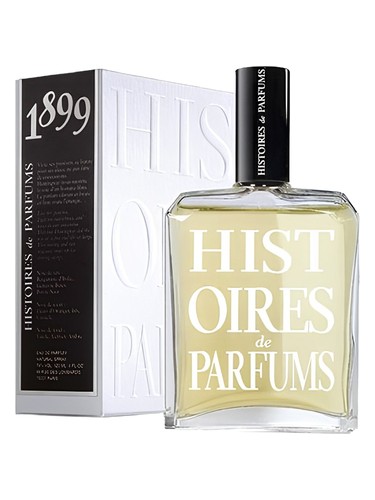
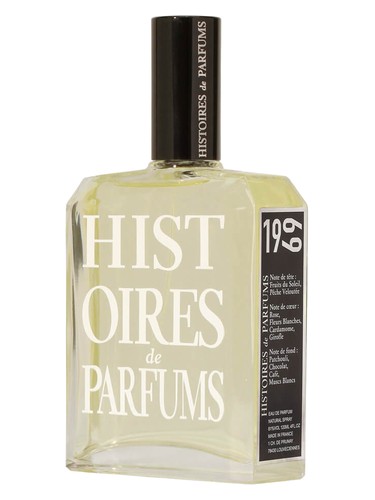
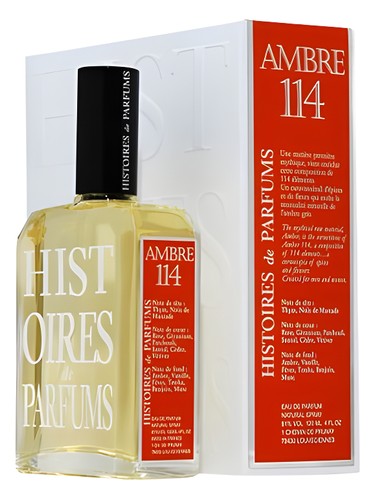
Veni sits comfortably in conversation with some heavy-hitters in the warm spicy-Oriental space. Its kinship with Frederic Malle''s Musc Ravageur makes sense—both embrace unapologetic warmth and sensuality without tipping into masculine territory. Within the Histoires de Parfums line, it shares DNA with 1969 Parfum de Revolte, 1899 Hemingway, Ambre 114, and 1740 Marquis de Sade, suggesting the house has found a successful formula in blending aromatic freshness with Oriental depth.
Where Veni distinguishes itself is in that lavender-cardamom opening. While many warm spicy fragrances lean entirely into resinous sweetness, Veni maintains an aromatic backbone that prevents it from becoming one-dimensional. It''s sweeter than classic fougères, more aromatic than straight amber fragrances—a hybrid that carves out its own space.
The Bottom Line
Veni represents Histoires de Parfums'' skill at creating fragrances with narrative depth. At 4.03/5, it''s a proven performer that won''t disappoint those seeking warmth and complexity. While concentration information isn''t specified, the fragrance clearly has the richness to carry through a full day or evening.
This isn''t a safe choice or a crowd-pleaser designed for mass appeal. It''s for the person who reaches past the floral display toward spice and smoke, who wants their femininity expressed in cardamom and caramel rather than roses and jasmine. If you''ve loved Musc Ravageur but wished for something slightly less animalic, or if autumn is your favorite season in fragrance form, Veni deserves a place on your testing list. Just remember: save it for when the leaves start turning and sweaters come out of storage. That''s when this particular story unfolds best.
AI-generated editorial review