First Impressions
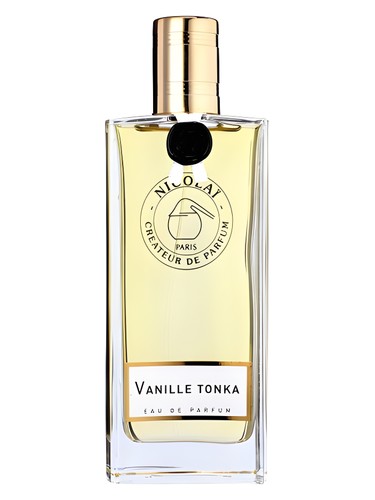
The first spray of Vanille Tonka is a masterclass in misdirection. You expect comfort—that soft, pillowy embrace vanilla usually promises—but instead, you''re greeted with an electric brightness. Amalfi lemon cuts through the air with laser precision, while basil adds an herbal, almost savory intrigue that makes you pause. There''s mandarin orange too, rounding out the citrus burst with just enough sweetness to hint at what''s coming. This isn''t your grandmother''s vanilla perfume, and Patricia de Nicolaï makes that abundantly clear within seconds. The opening is fresh, yes, but there''s an undercurrent of something darker waiting in the wings—something that promises this vanilla won''t play by the rules.
The Scent Profile
The evolution of Vanille Tonka reads like a carefully choreographed dance between light and shadow. That brilliant citrus opening, anchored by the unexpected herbal quality of basil, gives way to a heart that pulses with warmth and complexity. Cinnamon arrives first, dusty and nostalgic, but it''s immediately complicated by black pepper''s sharp bite. This isn''t the sweet cinnamon of a bakery; it''s more akin to the spice markets of old trade routes, where carnation and African orange flower weave through with their own distinctive personalities. The carnation contributes a clove-like spiciness, while the orange flower adds a honeyed, indolic richness that bridges the gap between the fresh opening and what''s to come.
And then, the base. Here is where Vanille Tonka reveals its true nature. The vanilla that dominates the accord spectrum at 100% isn''t the simple, one-note sweetness that floods the market. Instead, it''s buttressed by tonka bean—that wonderfully complex note that brings almond-like warmth, hay-like sweetness, and a whisper of tobacco. But the real surprise is the incense, threading smoke and resin through the composition like a mysterious presence at a masquerade ball. This isn''t a gourmand vanilla screaming for attention; it''s a sophisticated, almost austere vanilla that knows how to whisper.
The warm spicy accord registers at 93%, which tracks perfectly with the cinnamon-pepper-carnation trio, while the amber accord at 73% speaks to that golden, resinous quality that emerges as the fragrance settles into skin. That the citrus accord still registers at 60% is a testament to how well-balanced this composition is—hours later, there''s still a ghost of that bright opening dancing above the warm base.
Character & Occasion
Vanille Tonka defies easy categorization, and perhaps that''s exactly the point. The data shows it as suitable for all seasons, and that versatility makes sense once you understand the fragrance''s architecture. The citrus and spice make it bright enough for spring and summer wear, while the vanilla-tonka-incense base provides enough warmth for autumn and winter. It''s a fragrance that adapts to temperature and context, shape-shifting like few others in the vanilla category.
The lack of strong day or night designation suggests a perfume that thrives in transitional moments. This is the fragrance you wear to a late afternoon meeting that might turn into dinner, or to a daytime event that has evening sophistication. It''s too interesting for purely casual settings, yet approachable enough not to overwhelm. The spice profile and incense give it a polish that reads as intentional and considered—this is a fragrance for someone who knows what they want and doesn''t need to announce it loudly.
While marketed as feminine, the composition flirts with traditionally masculine elements. That incense, the pepper, even the way the vanilla is presented—these elements create a scent that would work beautifully on anyone confident enough to wear it.
Community Verdict
With 647 votes landing at a solid 4.01 out of 5, Vanille Tonka has clearly found its audience. This rating suggests a fragrance that delivers on its promises without quite reaching "holy grail" status for most wearers. It''s appreciated, respected, and genuinely liked—but perhaps not universally loved. That''s actually a strength. Perfumes that please everyone tend to be forgettable; Vanille Tonka has edges, and those edges earn it devoted fans while leaving others admiring from a distance.
The substantial vote count indicates this isn''t a hidden gem languishing in obscurity. This is a known quantity in fragrance circles, a benchmark vanilla that people actively seek out and form opinions about. That kind of engagement speaks to a composition worth your time and attention.
How It Compares
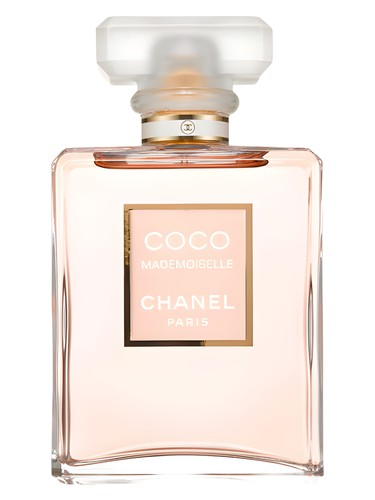
The list of similar fragrances reads like a who''s who of sophisticated, spiced orientals: Musc Ravageur, Kenzo Jungle L''Éléphant, Shalimar, Coco, Coromandel. These are heavy hitters, and the fact that Vanille Tonka keeps such company speaks volumes. Where Musc Ravageur leans into animalic musk and Shalimar bathes in classic French opulence, Vanille Tonka carves out its own territory with that distinctive citrus-to-incense trajectory and its particular brand of restrained vanilla.
Against Coromandel, perhaps its closest cousin in the incense-vanilla category, Vanille Tonka is brighter and spicier, less overtly powdery. It''s the younger, more energetic sibling—less formal, more adaptable, but with the same underlying sophistication.
The Bottom Line
Vanille Tonka represents vanilla for people who thought they were tired of vanilla. Patricia de Nicolaï demonstrates here why she''s considered one of perfumery''s most skilled practitioners—she takes a note that''s been done to death and makes it feel necessary again. The 4.01 rating is fair; this isn''t a perfect fragrance, but it''s a very good one that excels at what it sets out to do.
If you''re drawn to vanilla but crave sophistication, if you appreciate spice but don''t want aggressive heat, or if you''re simply curious about what a master perfumer can do with familiar materials, Vanille Tonka deserves a place on your testing list. It won''t be for everyone—that incense base and spicy heart are too distinctive for universal appeal—but for those it clicks with, it offers a complexity and wearability that''s increasingly rare in modern perfumery.
AI-generated editorial review