First Impressions
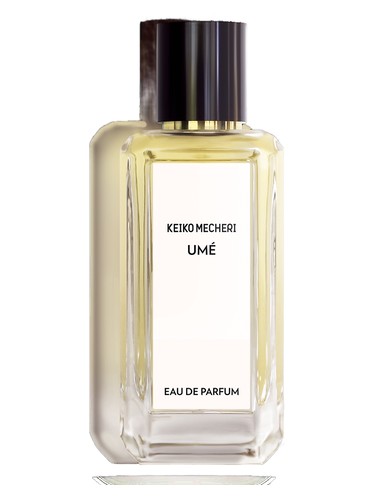
Keiko Mecheri''s Ume opens with a whisper of restraint—a quality increasingly rare in contemporary perfumery. The first spray delivers something specific and intentional: the authentic character of ume, the Japanese plum blossom that announces spring across Asia. This isn''t the jammy, Western plum you''d find in a fruit basket or a gourmand confection. Instead, it''s a botanical portrait that captures both the fruit''s gentle tartness and the flower''s delicate beauty, wrapped in a floral embrace that dominates the composition at full intensity. The immediate impression is one of softness rather than impact, subtlety rather than seduction—a choice that will either charm or underwhelm, depending on what you seek from a fragrance.
The Scent Profile
Without specific note breakdowns provided by the house, Ume reveals itself through its accord architecture—and here, florals reign supreme at 100%, with fruity elements close behind at 95%. The interplay between these two facets defines the entire wearing experience. The ume itself straddles both categories beautifully, offering the crisp, slightly tart fruitiness of the plum alongside the soft, powdery quality of its blossoms.
As the fragrance develops, woody undertones emerge at a moderate 57% intensity, providing structure without overwhelming the delicate floral-fruit conversation happening at the composition''s heart. This woodiness feels like bare branches rather than dense forest—linear, clean, and supportive rather than starring. A gentle sweetness (41%) rounds the edges without tipping into dessert territory, while warm spice (34%) adds just enough complexity to prevent the scent from becoming one-dimensional.
The fresh accord (33%) keeps things from feeling too heavy or cloying, maintaining an airy quality throughout the wear. What''s notably absent is any gourmand heaviness or syrupy fruit punch character—Ume remains committed to its botanical realism from opening to dry down, painting a cohesive picture of an Asian garden in early bloom rather than attempting dramatic transformation across its lifespan.
Character & Occasion
The seasonal data tells a compelling story: Ume achieves perfect scores for fall wear (100%) and remains highly suitable for winter (77%), suggesting a fragrance with enough warmth and presence to cut through cooler air without relying on heavy oriental or gourmand notes. Spring suitability sits at 54%—perhaps surprising given the springtime associations of ume blossoms themselves, but likely reflecting that the woody and warm spicy elements give it more weight than a purely vernal scent. Summer trails at 30%, which tracks with the composition''s preference for cooler weather.
The day/night split is even more revealing: 92% day versus 64% night. This is decisively a daytime fragrance, one that accompanies rather than announces. Think office-appropriate elegance, casual weekend outings, or situations where you want to smell deliberately chosen but not attention-seeking. The lower night rating suggests it lacks the drama or projection for evening events where fragrances traditionally command more presence.
This is a scent for those who appreciate whispers over shouts, for wearers who view fragrance as personal pleasure rather than public statement. It suits anyone seeking authentic Asian fruit representation without sweetness overload, and those building a wardrobe of refined, wearable feminines.
Community Verdict
The r/fragrance community''s engagement with Ume is notably limited—only five opinions contributed to the analysis—but those voices paint a mixed picture, landing at a 5.5/10 sentiment score. The praise focuses on specificity: commenters appreciate the authentic representation of Asian plum, recognizing it as botanically accurate rather than commercially sweetened. The avoidance of gourmand territory earns approval, as does the fruity-leafy character that suggests the whole plant rather than just extracted sweetness.
However, the cons are equally telling. Limited discussion itself becomes a data point—Ume hasn''t captured widespread community imagination or generated the buzz that drives ongoing conversation. Some wearers find it "somewhat boring or uninspiring," a diplomatic way of saying the subtlety reads as flatness to certain noses. One intriguing observation notes that fragrance databases like Fragrantica struggle to differentiate between Asian and Western plum varieties, potentially making it harder for seekers of this specific scent profile to find Ume in the first place.
The community positions it primarily for casual everyday wear—functional praise, perhaps, but not exactly passionate endorsement.
How It Compares
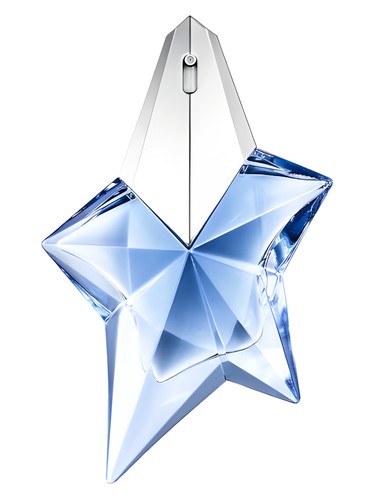
The listed similar fragrances create an intriguing constellation: Feminité du Bois by Serge Lutens, Poison and Dolce Vita by Dior, Black Orchid by Tom Ford, and Angel by Mugler. These are largely powerhouse feminines with strong personalities—which makes Ume''s inclusion somewhat puzzling until you consider the woody-floral-fruity territory they all occupy, albeit at vastly different volumes and intensities. Where Poison announces itself across rooms and Angel creates devotees and detractors in equal measure, Ume operates at conversational distance. It shares Feminité du Bois''s woody sophistication but without the cedar dominance, and gestures toward the fruitiness in Angel without any of the patchouli-caramel drama.
Ume occupies a quieter corner of the floral-fruity woody category—less memorable perhaps, but also less polarizing.
The Bottom Line
With a solid 4.08/5 rating from 961 voters, Ume performs respectably in the court of public opinion, even if passionate advocacy remains elusive. This is a fragrance that delivers exactly what it promises: an authentic, wearable interpretation of Japanese plum blossoms without sweetness excess or gourmand indulgence. That specificity is both its strength and its limitation.
Consider trying Ume if you''re building a collection of botanical accuracy over commercial appeal, if you''ve grown weary of sugar-bombed fruity florals, or if you simply want something pretty and professional for daily wear in cooler months. Skip it if you need your fragrances to make statements, create lasting impressions across rooms, or evolve dramatically across the day. This is perfumery as watercolor rather than oil painting—delicate, refined, and perhaps too subtle for those seeking bold self-expression through scent.
AI-generated editorial review