First Impressions
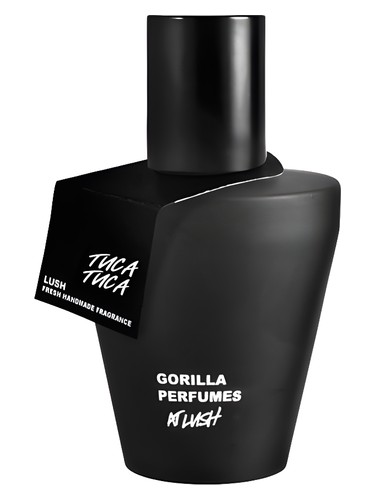
The first spray of Tuca Tuca announces itself with unapologetic powderiness—a violet-dusted mimosa cloud punctuated by the tart snap of cassis. This is not a fragrance that eases you in gently. Instead, it evokes the kind of confident femininity that feels almost anachronistic in 2010, the year of its release. There''s something deliberately old-fashioned here, a knowing nod to the great powdery florals of perfumery''s golden age, yet rendered through Lush''s characteristically unfiltered lens. The opening moments feel like stepping into a dressing room where face powder hangs suspended in afternoon light, violet petals pressed between the pages of forgotten books.
The Scent Profile
Violet leads this composition with absolute authority, supported by mimosa''s honeyed, almost buttery softness and the surprising brightness of cassis. That blackcurrant note could have gone fruity and juvenile, but here it serves as a tart counterpoint to violet''s inherent sweetness, adding dimension to what might otherwise feel one-dimensional. The powdery accord—registering at a perfect 100% in its main accords—is immediately apparent, yet it never feels suffocating or dated.
As Tuca Tuca settles into its heart, ylang-ylang emerges with its characteristic creamy, slightly narcotic richness. This is where the yellow floral accord (69%) makes its presence known, adding tropical warmth to the cooler violet foundation. The vanilla here is restrained, woven through rather than spotlighted, contributing sweetness without tipping into gourmand territory. This middle phase is where the fragrance reveals its complexity—the interplay between powdery violet and ylang-ylang''s oily smoothness creates a push-pull tension that keeps the composition alive and breathing.
The base is where Tuca Tuca truly distinguishes itself from simple violet soliflores. Violet leaf joins its flower counterpart, bringing a greener, more cucumber-like freshness that adds an ozonic quality (44%) to the composition. Vetiver contributes earthy, slightly smoky depth, while sandalwood provides creamy woodiness. This 91% woody accord in the base gives Tuca Tuca surprising staying power and gravitas, transforming what begins as an ethereal floral into something with real architectural presence. The drydown is where that vintage character fully blooms—this is violet with roots in the earth, not just floating in powdered abstraction.
Character & Occasion
The community data suggests Tuca Tuca works across all seasons, and that versatility speaks to its balanced composition. The powdery violet prevents it from feeling too heavy in warmer months, while the woody base provides enough warmth for cooler weather. That said, this fragrance seems most at home in transitional seasons—spring evenings and autumn afternoons—when its violet character can mirror nature''s own moods.
Interestingly, there''s no clear day or night preference in the user data, which positions Tuca Tuca in that rare category of truly adaptable fragrances. The powdery character keeps it office-appropriate and daytime-friendly, yet the ylang-ylang and vanilla add enough sensuality for evening wear. This is a fragrance for those who appreciate vintage aesthetics without wanting to smell literally vintage, for those who find modern fruity florals too shrill but don''t want to smell like their grandmother''s vanity.
The violet and powder dominance make this decidedly feminine in its presentation—this isn''t a shared scent despite Lush''s generally inclusive approach. It requires confidence to wear something this unabashedly powdery in an era dominated by sweet vanilla clouds and fresh laundry musks.
Community Verdict
With a rating of 3.79 out of 5 from 389 voters, Tuca Tuca sits comfortably in "very good" territory without reaching masterpiece status. This is a respectable showing that suggests a fragrance with clear appeal but perhaps not universal adoration. The rating likely reflects the polarizing nature of powdery violets—you either love them or you don''t—and Lush''s positioning as an accessible rather than luxury brand may influence perceptions among those who equate price with quality.
Nearly 400 votes represent substantial community engagement, particularly for a fragrance from what''s primarily known as a bath and body brand. That engagement suggests Tuca Tuca has found its audience and maintained relevance over a decade after its release.
How It Compares
The comparison list reads like a greatest hits of powdery sophistication: Guerlain''s L''Heure Bleue and Shalimar Parfum Initial, Chanel No. 5 Parfum, Lolita Lempicka, and Prada''s Infusion d''Iris. These are illustrious companions, and the fact that Tuca Tuca evokes them at a fraction of the price is noteworthy. Where L''Heure Bleue leans into anise and Shalimar Initial explores iris-vanilla richness, Tuca Tuca carves its own path with that cassis-violet opening and vetiver-sandalwood base.
It''s less refined than the Guerlains, certainly, and lacks the aldehydic brilliance of Chanel No. 5, but it captures something of that vintage spirit with its own personality intact. Think of it as the approachable cousin at the family reunion—less polished than the Parisian relatives, but no less charming.
The Bottom Line
Tuca Tuca represents something increasingly rare: an unashamedly powdery violet fragrance that doesn''t apologize for its old-fashioned character. At Lush pricing, it offers remarkable value for those seeking the vintage floral experience without the luxury markup. The 3.79 rating reflects its niche appeal—this won''t convert violet-haters, but for those who treasure this accord, it''s a minor revelation.
Who should seek this out? Lovers of classic powdery florals, those intrigued by violet''s multifaceted character, and anyone who''s sniffed L''Heure Bleue wistfully but balked at the price. Also: those who appreciate that Lush, between the bath bombs and shampoo bars, occasionally crafts something genuinely sophisticated. Tuca Tuca is proof that interesting perfumery isn''t always found where you''d expect it.
AI-generated editorial review