First Impressions
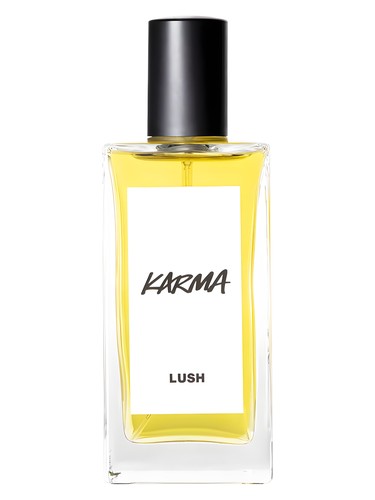
The first spray of Lush Karma announces itself with an unapologetic burst of orange—bright, almost effervescent, immediately cutting through any expectation of a typical patchouli-heavy fragrance. This isn''t the incense-laden, head-shop stereotype you might anticipate from a Lush creation. Instead, lemongrass and lavender weave through that dominant citrus opening, creating a surprisingly fresh aromatic framework that feels more like a sun-drenched Mediterranean grove than a bohemian market stall. It''s a greeting that sets the tone for everything that follows: unexpected, vibrant, and undeniably confident in its approach.
The Scent Profile
Karma''s evolution tells the story of a fragrance that refuses to follow conventional feminine perfume architecture. The opening salvo of orange commands complete attention, backed by the herbal sharpness of lemongrass and the gentle aromatic cushion of lavender. This citrus accord registers at full intensity—100% according to fragrance analysis—and it doesn''t apologize for dominating the early experience.
As the initial brightness begins to settle, the heart reveals something altogether more complex. Pine tree emerges alongside lemon and cassis, creating an unexpected woody-aromatic bridge that accounts for the fragrance''s substantial 92% woody accord rating. This is where Karma earns its divisive reputation—the transition from that sunny citrus opening into something earthier and more resinous can feel abrupt, almost confrontational. The pine brings a coniferous edge (41% accord strength) that some interpret as fresh and invigorating, while others find it jarring against the sweet orange introduction.
What''s particularly notable about Karma''s structure is what it lacks: clearly defined base notes. This absence creates a fragrance that hovers in perpetual motion between its bright top and its warming heart, never fully settling into the traditional comfort zone of vanilla, amber, or musk. The patchouli presence (52% accord) threads throughout rather than anchoring the composition, while fresh spicy elements (50%) add warmth without overwhelming. It''s this structural ambiguity that makes Karma so polarizing—it refuses to become the fragrance you expect it to be.
Character & Occasion
The data reveals Karma as primarily a fall performer, registering at 96% seasonal suitability for autumn''s crisp, transitional days. Yet it maintains surprising versatility, scoring 72% for summer—that citrus opening clearly does heavy lifting in warmer weather—and 66% for winter. Only spring seems somewhat reluctant to embrace it at 53%, perhaps finding the composition too assertive for the season''s delicate renewal.
This is definitively a daytime fragrance, earning a perfect 100% day rating while maintaining a respectable 58% night viability. Picture it worn during autumn weekends spent wandering farmers'' markets, or as a bright spot during summer evenings outdoors. The aromatic woody profile makes it equally at home on hiking trails or urban café terraces. Despite its feminine classification, the dominant woody and citrus accords give it a unisex energy that could easily transcend traditional gender boundaries.
The accessibility of Lush''s price point makes Karma an ideal candidate for daily rotation—this isn''t a precious juice you''ll hesitate to spray generously. It''s a workhorse fragrance for those who want something distinctive without the ceremony or financial commitment of niche perfumery.
Community Verdict
The Reddit fragrance community approaches Karma with measured ambivalence, yielding a sentiment score of 5.5 out of 10—essentially a shrug translated into numbers. Based on 70 opinions, the conversation reveals a fragrance that generates respect without passionate devotion.
Enthusiasts consistently praise that bright, prominent orange opening—it''s Karma''s calling card and most universally appreciated element. The warm spicy drydown earns approval from those who appreciate cinnamon-touched sweetness, and its accessible price point draws recommendations for budget-conscious exploration. Many note its success as a layering component, suggesting it plays well with others even when it doesn''t entirely satisfy solo.
The criticisms, however, are pointed. The scent profile proves genuinely divisive—where some find harmonious evolution, others detect discord between citrus brightness and spicy earthiness. Multiple community members note it''s "not universally loved," which in fragrance forum language translates to "approach with caution." Concerns about longevity and projection appear in discussions, though without the specific data points that would clarify whether this is fleeting or merely intimate. Perhaps most damning, some find it "less distinctive compared to higher-end alternatives"—the kiss of death for a fragrance trying to stand out in an increasingly crowded market.
How It Compares
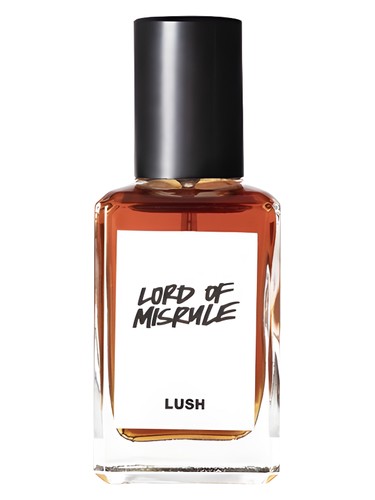
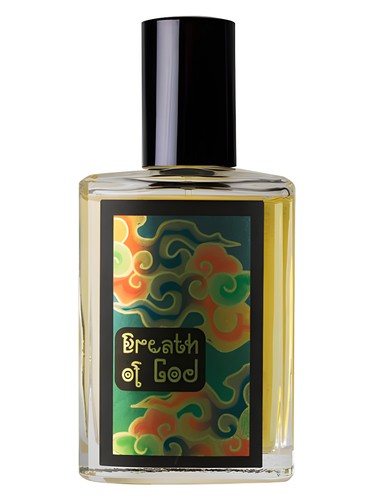
The similar fragrances list reads like a peculiar family reunion. Chanel''s Coco Mademoiselle and Guerlain''s Shalimar Eau de Parfum represent the elevated end—patrician relatives who acknowledge the connection but keep their distance. Dolce & Gabbana''s Light Blue shares that citrus-forward approach without Karma''s patchouli complications. More telling are the Lush siblings: Breath of God and Lord of Misrule, both sharing that brand''s preference for bold, divisive compositions that prioritize character over mass appeal.
Within its category, Karma occupies an interesting position as a historical artifact—1995 makes it nearly three decades old—that helped define Lush''s fragrance identity before the brand became the bath-product empire it is today. It''s earned its cult status through longevity rather than universal acclaim.
The Bottom Line
Karma''s 4.1 rating across 3,692 votes tells a story of a fragrance that satisfies more than it disappoints, but rarely inspires devotion. This is a solid B+ student—competent, occasionally brilliant in specific moments, but unlikely to top anyone''s all-time favorites list.
Who should seek it out? Budget-conscious fragrance explorers willing to take risks, layering enthusiasts looking for that specific orange-pine-patchouli combination, and anyone curious about Lush''s perfumery philosophy in its purest form. If you gravitate toward clean citrus but want more personality than Light Blue offers, Karma deserves consideration. Those seeking distinctive fall daywear at accessible prices will find value here.
Who should skip it? Anyone expecting conventional feminine sweetness, those who demand consensus crowd-pleasers, or perfume lovers seeking that "special occasion" gravitas. Karma works precisely because it''s unspecial—dependable, distinctive enough, and thoroughly unconcerned with universal approval. Sometimes that''s exactly what your collection needs, even if it''s not what you''ll reach for on important days.
AI-generated editorial review