First Impressions
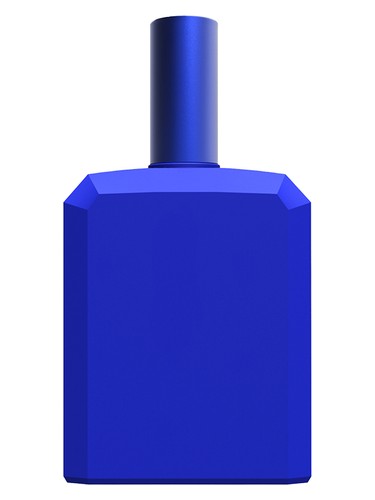
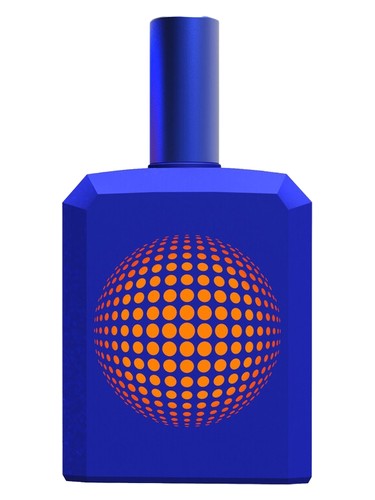
The spray releases an immediate burst of sunshine—not metaphorical, not subtle, but the olfactory equivalent of stepping from shadow into brilliant daylight. This is not a Blue Bottle 1.6 opens with the kind of citrus clarity that makes you pause mid-air, the atomizer still hovering near your wrist. Yuzu leads the charge with its tart, almost effervescent brightness, flanked by the sweeter familiarity of orange and the bitter-edged sophistication of grapefruit. This isn''t breakfast juice or cleaning products; it''s citrus with intention, vibrant without being shrill, zesty without crossing into aggressive territory.
What''s immediately striking is the perfume''s refusal to be just one thing. The name itself—playfully self-referential, winking at its predecessor while declaring independence—hints at this duplicity. Even in those opening moments, there''s a whisper of something floral beneath the citrus cascade, a promise that this journey won''t follow the predictable arc of so many fresh fragrances that burn bright and fade fast.
The Scent Profile
The evolution unfolds with surprising grace. As the citrus trio settles from its initial crescendo, neroli and orange blossom emerge like sunlight filtering through white linen curtains. These aren''t the heavy, indolic white florals that dominate a room; they maintain the composition''s airy character while adding depth and a subtle creaminess. The neroli brings its characteristic bitter-green facets, creating a bridge between the departing citrus and the arriving florals.
Jasmine enters quietly, supported by an unexpected lotus note that adds an aquatic, almost meditative quality. This is where the fragrance reveals its complexity—that 51% white floral accord doesn''t overpower the dominant 100% citrus character but instead creates a luminous veil. Geranium provides a fresh-spicy accent (explaining that 35% fresh spicy accord), adding a green, slightly rosy dimension that keeps the white flowers from becoming too sweet or conventional.
The base notes perform perhaps the most delicate balancing act. White musk provides the clean foundation you''d expect, but it''s the interplay of vetiver and vanilla that creates intrigue. The vetiver is gentle here, offering an earthy whisper rather than a woody assertion, while vanilla adds just enough warmth to explain that 25% sweet accord without tipping the composition into gourmand territory. This is vanilla as a supporting player, rounding edges and extending longevity rather than demanding attention.
Throughout its development, the fragrance maintains remarkable coherence. Each phase flows naturally into the next, creating what feels less like distinct acts and more like a continuous narrative of light and air.
Character & Occasion
The data tells a clear story: this is summer''s signature, scoring a perfect 100% for the season, with spring following closely at 82%. Those numbers make perfect sense when you wear it. This is a fragrance that thrives in warmth, that feels most at home when temperatures rise and heavier compositions become oppressive. The citrus-white floral combination captures that specific beauty of a summer morning—fresh but already warming, clean but not austere.
Its overwhelming preference for daytime wear (84%) is equally justified. This isn''t a fragrance that needs candlelight or mystery; it''s meant for visibility, for clarity, for the hours when things happen in full view. Think weekend brunches, outdoor meetings, gallery openings on Saturday afternoons, garden parties where you want to smell polished but approachable.
While marketed as feminine, the composition doesn''t lean on traditionally gendered cues. There''s nothing overtly powdery or saccharine here. Those interested in fresh, citrus-forward fragrances regardless of gender designation would find much to appreciate, particularly given its somewhat surprising similarity to Terre d''Hermès—a decidedly masculine classic.
Community Verdict
With 400 votes yielding a 3.77 out of 5 rating, This is not a Blue Bottle 1.6 occupies interesting territory. This isn''t universal acclaim, but it''s solid appreciation—the kind of score that suggests a well-executed fragrance that knows its audience. It won''t convert those who prefer rich orientals or deep woody compositions, but for those seeking refined freshness, the community response indicates a fragrance worth exploring.
That rating suggests competence and quality without revolution, which feels accurate. This is Histoires de Parfums demonstrating mastery of a genre rather than attempting to reinvent it.
How It Compares
The listed similar fragrances reveal fascinating context. The kinship with Terre d''Hermès speaks to a shared sophistication in citrus treatment—both elevate what could be simple freshness into something more contemplative. The connection to its own predecessor, This Is Not A Blue Bottle (without the version number), is obvious, while You Or Someone Like You by Etat Libre d''Orange shares that white floral-citrus axis.
What sets this iteration apart is its brightness without sharpness, its florals without heaviness. Where some citrus fragrances feel astringent and some white florals feel cloying, this finds a middle path that''s refreshing but not thin, floral but not dense.
The Bottom Line
This is not a Blue Bottle 1.6 succeeds at exactly what it attempts: delivering radiant, wearable freshness with enough complexity to remain interesting beyond the first spray. The 3.77 rating reflects its quality—this is a well-crafted fragrance that executes its vision clearly, even if that vision won''t appeal to everyone.
It''s best suited for those who appreciate citrus fragrances but find many too fleeting or one-dimensional, and for white floral lovers seeking a lighter interpretation. If you reach for fresh scents when temperatures rise but want something more sophisticated than basic cologne, this deserves your attention. At its best during warm weather daytime occasions, it offers the kind of polished radiance that feels effortless even when it''s carefully constructed.
Not every fragrance needs to be groundbreaking. Sometimes, sunlight in a bottle is exactly enough.
AI-generated editorial review