First Impressions
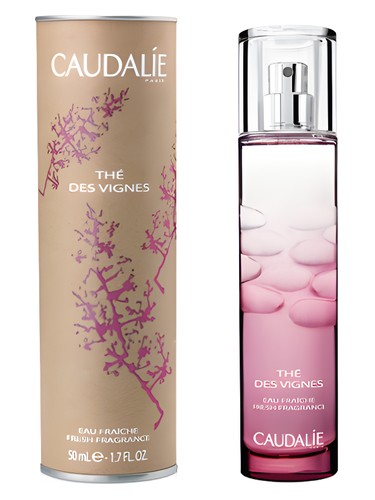
Spray Thé Des Vignes, and you might find yourself doing a double-take at the bottle. Despite its name—literally "Vine Tea"—this isn''t a meditative, leafy ode to afternoon rituals. Instead, Caudalie''s 2011 fragrance opens with a bright burst of white florals that feels more like walking through sun-drenched grapevines in Provence than steeping leaves in porcelain. African orange flower and jasmine announce themselves immediately, their indolic richness softened by a whisper of tea that serves more as supporting cast than leading player. This is the olfactory equivalent of that golden hour when vineyard workers pause, when the heat of the day mellows into something luminous and approachable.
The French skincare brand known for its grape-based cosmetics has created something decidedly optimistic here—a fragrance that wears its 4.3 out of 5 rating (based on 833 votes) with unpretentious confidence. This isn''t trying to be groundbreaking or provocative. It''s simply aiming to smell good, feel fresh, and transport you somewhere pleasant.
The Scent Profile
The composition unfolds with that trinity of tea, African orange flower, and jasmine leading the charge. But here''s where it gets interesting: the tea note never dominates. Instead, it acts as a gauzy veil that prevents those white florals from becoming too heady or dense. The jasmine has a clean, almost soapy quality rather than the animalic depth you''d find in richer compositions.
As the fragrance settles into its heart, the vineyard inspiration becomes more literal. Grapes emerge—not as sticky-sweet fruit, but as a crisp, green-tinged juiciness that adds texture to the floral framework. Neroli reinforces the citrus-white-floral bridge established in the opening, while ginger provides subtle warmth without veering into spicy territory. This middle phase is where Thé Des Vignes finds its stride: fruity without being candied, floral without being overtly romantic, fresh without being generic.
The base is where minimalism takes hold. Musk dominates (reflected in that 65% musky accord rating), offering soft, skin-like intimacy. Woody notes provide structure—think freshly split twigs rather than aged timber—while honey adds just enough sweetness to round out the composition without making it cloying. This isn''t a fragrance with dramatic sillage or intense longevity; it''s designed to hover close to the skin, a personal aura rather than a public announcement.
The accord breakdown tells the full story: white floral leads at 100%, followed by musky (65%), fruity (62%), sweet (61%), fresh (61%), and citrus (57%). It''s a remarkably balanced profile that explains why this scent feels approachable rather than challenging.
Character & Occasion
The data speaks clearly: this is a warm-weather, daytime companion. With 95% summer suitability and 92% for spring, Thé Des Vignes thrives when temperatures rise and you need something that won''t wilt or overwhelm. The 100% day rating versus 32% night rating confirms what the scent profile suggests—this isn''t about seduction or mystery. It''s about feeling effortlessly put-together during morning meetings, weekend brunches, or afternoon garden parties.
Fall sees a respectable 56% rating, making it viable for those lingering warm days before winter truly sets in. But at 24% winter suitability, don''t reach for this when snow is falling. The lightness that makes it perfect for summer heat becomes insubstantial in cold weather.
This is quintessentially feminine in its construction—those white florals and the gauzy musk signature ensure it. The woman who gravitates toward Thé Des Vignes likely appreciates freshness over intensity, approachability over drama. She''s probably already familiar with Caudalie''s skincare range and appreciates that same philosophy of natural elegance translated into fragrance.
Community Verdict
Here''s where things get murky. The Reddit fragrance community discussion provided no substantive opinions on Thé Des Vignes—the thread focused on entirely different fragrances without mentioning this Caudalie offering at all. This absence is itself telling. In a community that dissects everything from niche obscurities to mass-market releases, the silence suggests Thé Des Vignes occupies a curious blind spot: perhaps too associated with skincare to be taken seriously as fragrance, or too light and uncontroversial to inspire passionate discussion.
The 833 votes yielding a 4.3 rating indicate general approval from those who have tried it, but the lack of vocal advocacy or detailed community analysis suggests this is a "pleasant surprise" rather than a "holy grail" discovery.
How It Compares
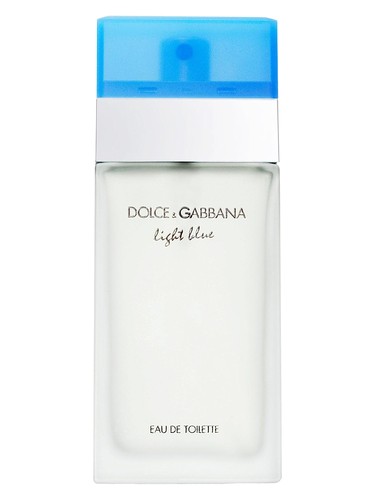
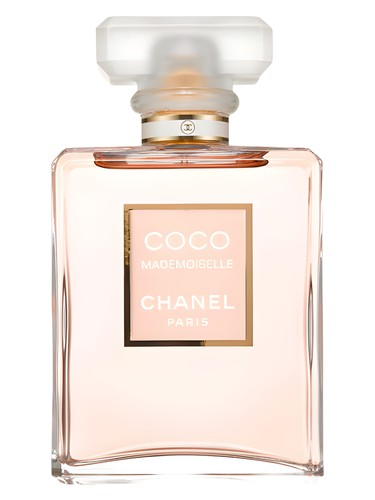
The similar fragrances list reads like a greatest-hits collection of accessible, widely-loved feminines: Chanel''s Chance Eau Tendre, Dior''s J''adore and Pure Poison, Narciso Rodriguez For Her, and Dolce & Gabbana''s Light Blue. What unites these is their ability to smell expensive and refined while remaining office-appropriate and broadly appealing.
Where Thé Des Vignes distinguishes itself is in that grape note—an unusual inclusion that nods to Caudalie''s vineyard heritage without becoming gimmicky. While Light Blue leans heavier on citrus and J''adore goes full opulent floral, Thé Des Vignes occupies a middle ground: fresh but not sharp, floral but not heavy, sweet but not dessert-like.
The Bottom Line
Thé Des Vignes won''t revolutionize your fragrance wardrobe, and that''s perfectly fine. At 4.3 out of 5 stars, it delivers exactly what it promises: a well-crafted, easy-to-wear white floral musk with enough personality (those grapes, that tea whisper) to avoid being forgettable.
If you''re already a Caudalie devotee, this is worth exploring as an olfactory extension of the brand''s aesthetic—natural, elegant, unpretentious. If you''re building a warm-weather rotation and need something reliably pleasant that won''t polarize, this fits the bill. And if you find mainstream designer fragrances too heavy or synthetic but don''t want to dive into challenging niche territory, Thé Des Vignes offers a comfortable middle path.
Just don''t expect a tea-forward composition. Think of it instead as vineyard air bottled—floral, fruity, gently sweet, and designed for those days when you want to smell good without thinking too hard about it.
AI-generated editorial review