First Impressions
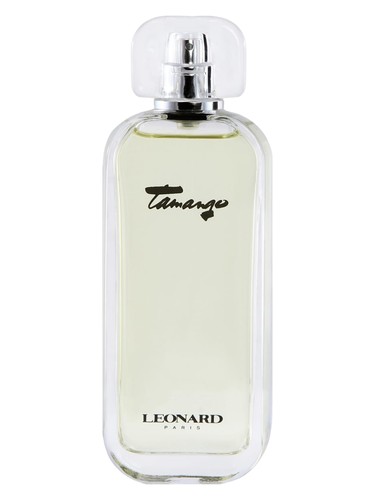
The opening of Tamango is like stepping into a greenhouse just after dawn—that electric moment when light streams through glass and every leaf glistens with moisture. The aldehydes spark and fizz against a backdrop of crushed stems and bergamot, creating an effervescent green brightness that feels both vintage and surprisingly vital. This isn''t a shy perfume. It announces itself with the confidence of late-1970s French perfumery, when floral compositions wore their sophistication boldly and without apology. Within seconds, you understand this is a rose fragrance, but one viewed through a prism of freshness rather than romance.
The Scent Profile
Tamango''s opening salvo combines aldehydes with green notes, spices, and bergamot in a composition that feels almost bracing. The aldehydic element—that soapy, champagne-bubble quality that defined an era of perfumery—lifts everything skyward, while the green notes keep the fragrance tethered to earth and garden. The spices add subtle warmth without disrupting the overall freshness, and bergamot contributes its characteristic citrus brightness with just a whisper of bitterness.
As the top notes settle, the heart reveals itself as a full-bodied floral bouquet centered squarely on rose. But this isn''t rose in isolation. Lily-of-the-valley brings its clean, slightly metallic sweetness, while carnation adds a spicy, clove-like dimension that bridges the gap between the fresh opening and the warmth to come. Iris contributes a powdery, root-like earthiness, and orchid rounds out the composition with velvety texture. This layered floral heart is where Tamango reveals its true character: classical but not dated, romantic but not sentimental, complex enough to reward attention.
The base brings structure and grounding. Oak moss provides that essential chypre-adjacent backbone—earthy, slightly bitter, unmistakably sophisticated. Sandalwood offers creamy woodiness, while tonka bean introduces a subtle sweetness with hints of vanilla and hay. Amber wraps everything in a warm, resinous glow that extends the fragrance''s presence without overwhelming its essential freshness. The result is a base that supports rather than transforms, allowing the green-rose character to persist from opening to dry-down.
Character & Occasion
The data tells a clear story: Tamango is fundamentally a spring fragrance, scoring a near-perfect 98% seasonal match. This makes intuitive sense—its green-rose personality captures spring''s essence, that transitional moment between winter''s austerity and summer''s abundance. But at 72% for fall, it also finds a place among September''s first cool mornings, when gardens begin their graceful decline and nostalgia mingles with appreciation.
This is decidedly a daytime scent, earning a perfect 100% day rating against a modest 51% for evening wear. Tamango suits morning meetings, lunch dates, gallery openings, and afternoon garden parties—occasions that call for polish without formality. The aldehydic brightness and green notes make it feel appropriate for professional settings, while the rose heart ensures it never becomes austere.
Who should wear Tamango? Anyone who appreciates vintage-style florals but finds many of them too heavy or too sweet. It suits those who want a rose fragrance that doesn''t announce itself as such from across the room. The wearer should appreciate complexity and be willing to let a perfume evolve rather than expecting immediate gratification. While marketed as feminine, the green notes and oak moss base give it enough structure that anyone drawn to sophisticated florals could wear it with confidence.
Community Verdict
With a solid 4.1 out of 5 stars from 343 votes, Tamango has earned respect from those who''ve encountered it. This rating suggests a fragrance that delivers on its promises—not necessarily revolutionary, but consistently satisfying. The substantial vote count, particularly for a perfume now approaching its fifth decade, indicates genuine appreciation rather than nostalgic inflation. This is a scent that continues to find its audience, even as tastes shift and the market floods with new releases.
How It Compares
Tamango sits comfortably among the great aldehydic florals of the 1970s and early 1980s. Its kinship with Rive Gauche by Yves Saint Laurent and Madame Rochas positions it in distinguished company—these are fragrances that defined an aesthetic rather than followed trends. The connection to Fidji and L''Air du Temps underscores the green-floral DNA, while the similarity to First by Van Cleef & Arpels suggests a shared sense of refined elegance.
Where Tamango distinguishes itself is in the balance between its green and aldehydic elements. It feels fresher than many of its contemporaries, less powdery than some, more structured than others. It doesn''t reach for Rive Gauche''s radical modernity or Madame Rochas''s chypre depth, but it carves out its own space as an accessible entry point into vintage aldehydic florals.
The Bottom Line
Tamango deserves attention from anyone exploring classic French perfumery or seeking a sophisticated rose fragrance that doesn''t follow the modern playbook. Its 4.1 rating reflects honest quality—this is well-crafted perfumery that understands proportion and restraint. While unlikely to convert those who actively dislike aldehydes or vintage florals, it could surprise anyone who assumes all older fragrances smell dated or heavy.
The value proposition depends on availability and pricing, which can vary for fragrances of this vintage. If found at reasonable cost, it represents an opportunity to experience an era of perfumery that prioritized complexity and development over immediate impact. Try Tamango if you love spring gardens, if you appreciate perfumes that tell a story from opening to dry-down, or if you''re curious about the aldehydic florals that once dominated department store counters. It won''t change your life, but it might change your morning.
AI-generated editorial review