First Impressions
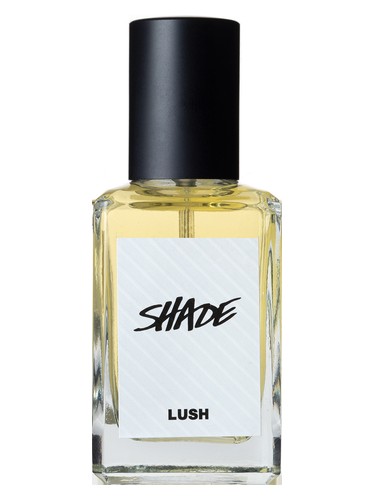
The first spray of Shade feels like stepping into a forest clearing at dusk, where the last rays of autumn sun filter through smoke from a distant fire. This is Lush doing what they do best—creating an atmosphere rather than simply a scent. The opening announces itself with a woody assertion that''s immediately enveloping, backed by the kind of amber warmth that suggests something more complex is brewing beneath the surface. There''s an intriguing smokiness here, a whisper of something almost incense-like that sets it apart from cleaner woody fragrances. It''s the olfactory equivalent of wrapping yourself in a well-worn cashmere sweater that still carries the ghost of last night''s bonfire.
The Scent Profile
Without specified individual notes to guide us, Shade reveals itself through its dominant accords—and what a revealing portrait they paint. The woody accord sits at a perfect 100%, forming an unwavering backbone throughout the fragrance''s evolution. This isn''t the crisp, clean cedar of a pencil sharpener; it''s deeper, more resinous, with character and shadow.
The amber accord follows closely at 89%, weaving golden threads through that woody foundation. Together, these two create a base that feels simultaneously grounded and luminous—earthy yet warm, substantial yet somehow ethereal. As the fragrance settles, the warm spicy notes (60%) emerge with confidence, adding dimension without overwhelming. These aren''t the sharp, attention-seeking spices of a oriental powerhouse; they''re mellower, more integrated, like the subtle heat that lingers after you''ve swallowed good whiskey.
The fresh spicy accord at 44% provides an interesting counterpoint, keeping the composition from becoming too heavy or soporific. There''s a powdery quality (41%) that softens the edges, giving Shade an almost vintage feel—reminiscent of classic perfumery without being dated. The balsamic notes (32%) round out the experience, adding a resinous, slightly sweet depth that emerges particularly in the dry down, creating that cozy, wrap-around-you feeling that makes this fragrance so seasonally appropriate.
Character & Occasion
The seasonal data tells a clear story: Shade is an autumn fragrance first and foremost, scoring 100% for fall wear. This makes perfect sense—it''s the olfactory equivalent of October, all amber leaves and wood smoke. Winter follows at 72%, where those warm, enveloping qualities become a comfort against the cold. That it scores 59% for spring suggests it can transition into cooler spring days, though you''ll want to apply with a lighter hand. Summer, at 43%, is possible but perhaps not ideal unless you''re drawn to warmer fragrances year-round or live somewhere with temperate summers.
The day/night split is particularly interesting: 83% for day wear versus 50% for night. This isn''t a seductive evening fragrance in the traditional sense. Instead, Shade excels as a sophisticated daytime companion—perfect for coffee shop writing sessions, walks through parks as leaves crunch underfoot, or casual weekend gatherings. It''s approachable rather than intimidating, warm rather than provocative.
Community Verdict
Here''s where things get complicated. With a sentiment score of 5.5/10 and decidedly mixed reactions, Shade has sparked genuine debate. The fragrance scores a respectable 4.01/5 from 504 voters on the broader platform, but the Reddit community tells a more nuanced story.
The positives are clear: reviewers appreciate the "interesting smoky and woody opening" and find the overall scent profile genuinely intriguing. There''s mention of a "reasonable price point for Tom Ford"—though this appears to be confusion in the community data, as we''re discussing a Lush fragrance, not Tom Ford. This mix-up aside, what emerges is appreciation for an unconventional composition that generates curiosity.
The criticisms, however, are pointed. Performance issues dominate the complaints, with descriptions of "thin and wimpy projection" that disappoints given expectations. Multiple reviewers suggest testing before purchasing, which tells you everything you need to know about reliability concerns. The consensus seems to be: intriguing concept, underwhelming execution in terms of longevity and sillage.
How It Compares
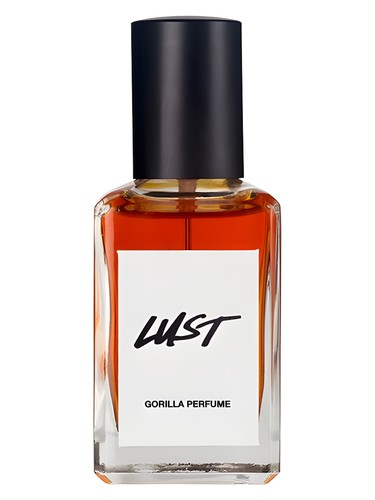
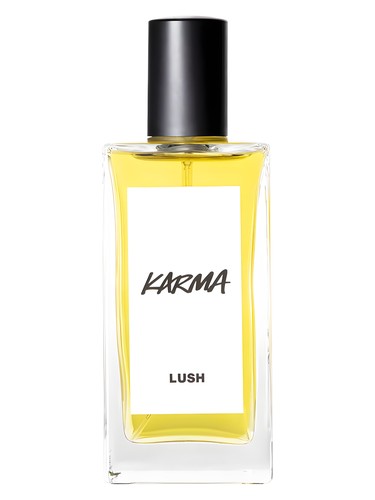
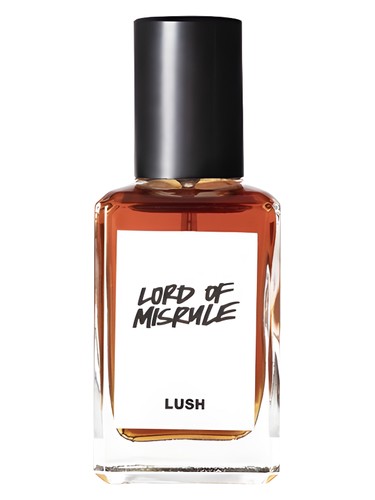
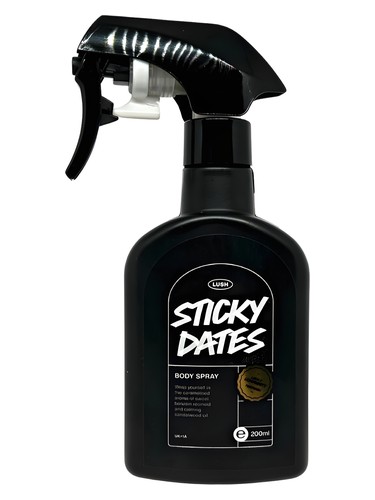
The listed similarities paint Shade as a fragrance with ambitious company. Breath Of God, another Lush creation, shares that smoky, contemplative quality. Maison Martin Margiela''s By the Fireplace occupies similar cozy-woody territory, though with more explicit smokiness. The comparison to Dior''s Dune suggests shared amber-woody warmth, while Shalimar hints at that vintage powdery quality. Most intriguingly, the Black Orchid comparison suggests Shade might share that fragrance''s deep, resinous character—though in a lighter, more wearable register.
Within Lush''s own lineup, Shade represents their more sophisticated side, moving away from their typical gourmand or fresh offerings into territory that feels more niche-inspired.
The Bottom Line
Shade earns its 4.01 rating through genuine appeal: this is a well-composed amber-woody fragrance with real personality and a distinctive smoky edge. The accord balance is thoughtful, the seasonal appropriateness is spot-on, and the overall vibe is both accessible and intriguing.
But—and this is significant—the performance concerns are too consistent to ignore. If you''re someone who prizes longevity and projection, or if you''re investing in a signature scent you expect to last all day, Shade may frustrate you. This is better suited to those who appreciate layering, don''t mind reapplying, or simply value the scent itself over its staying power.
Who should try it? Anyone drawn to woody-amber fragrances with unconventional edges. Those who love fall and want a bottled version of the season. Lush loyalists curious about their more grown-up offerings. And definitely anyone who finds themselves drawn to the comparisons listed—if you love By the Fireplace but want something less literal, or adore Dune but wish it had more smoke, Shade deserves your attention.
Just test it first. Apply it, live with it for a few hours, and see if its charms outweigh its shortcomings. For some, they absolutely will.
AI-generated editorial review