First Impressions
The first spray of Romeo di Romeo Gigli is nothing short of a declaration. This is not a fragrance that whispers—it announces itself with the full-throated confidence of late-''80s Italian fashion. What hits you immediately is a paradox: the bright, sun-drenched burst of citrus—lime, bergamot, mandarin orange, and mango—collides with something far stranger. There''s basil, green and herbal, alongside marigold''s slightly dusty, peppery quality. And then, lurking beneath this vivacious opening, is asafoetida, that peculiar resinous note with its sulfurous, almost savory character. It''s unexpected, bold, and utterly distinctive. This is a fragrance that demands your attention and doesn''t particularly care if you''re ready to give it.
The Scent Profile
The aromatic-citrus opening of Romeo is a study in contrasts. While the mango and citrus blend provides tropical sweetness, the basil and marigold inject an herbal, almost Mediterranean sharpness. The asafoetida—rarely encountered in mainstream perfumery—adds an unusual edge, a slight funk that keeps the brightness from becoming generic. It''s vibrant and almost discordant, a calculated risk that pays off for those willing to embrace its eccentricity.
As the fragrance settles into its heart, a lush floral bouquet emerges with remarkable depth. Orange blossom takes center stage, its indolic sweetness amplified by jasmine and lily-of-the-valley. The carnation adds a spicy, peppery facet, while freesia contributes an airy, soapy cleanliness. Cassia brings warmth and subtle cinnamon-like nuances, and both iris and rose round out the composition with powdery elegance. This is where Romeo reveals its true nature as a white floral powerhouse, albeit one with fresh spicy edges that prevent it from becoming too heavy or cloying. The florals are abundant without being overwhelming, complex without losing coherence.
The base notes provide a grounding that''s both resinous and woody. Orris root extends the iris''s powdery elegance deep into the drydown, while benzoin adds a sweet, vanilla-tinged warmth. Sandalwood provides creamy woodiness, and incense lends a contemplative, slightly smoky quality. This foundation transforms the bright opening into something more meditative and lasting—these base notes earned Romeo its reputation as a long-lasting scent that lingers well into the evening hours.
Character & Occasion
According to wear data, Romeo di Romeo Gigli shines brightest in spring (83%), making it ideally suited for those transitional days when winter''s heaviness gives way to botanical renewal. It performs admirably in summer (62%) and fall (58%), though its aromatic intensity might feel too bold for the height of summer heat and perhaps too vibrant for autumn''s introspective mood. Winter (33%) is its weakest season—this is definitively not a cold-weather comfort scent.
The day/night split tells an interesting story: it''s perfectly suited for daytime wear (100%), yet maintains 54% suitability for evening occasions. This versatility speaks to its complexity—fresh and bright enough for morning meetings, yet sufficiently sophisticated and long-lasting for dinner engagements. The substantial aromatic and citrus accords (100% and 96%, respectively) provide daytime freshness, while the floral and white floral elements (93% and 89%) add evening-appropriate depth.
This is a fragrance for someone confident in their choices, someone who appreciates vintage fashion''s theatrical boldness. It suits collectors, fragrance historians, and those who view perfume as artistic expression rather than mere accessory.
Community Verdict
Based on 28 opinions from the Reddit fragrance community, Romeo di Romeo Gigli earns a mixed sentiment score of 6.5/10—respectable, but revealing divided opinions. The community recognizes it as a "distinctive and unique fragrance for its era," praising it as "a powerful, long-lasting scent" with "interesting composition with notable character." These strengths align with its impressive 4.15/5 rating from 410 voters, suggesting that those who appreciate it truly love it.
However, the cons are telling: it''s described as "peculiar and unconventional, not for everyone." The limited discussion within the community suggests niche appeal rather than widespread enthusiasm. There are also concerns about vintage bottle performance degradation, a common issue with fragrances from 1989.
The community consensus positions Romeo as best suited for collectors of vintage fragrances, those seeking unique and distinctive scents, and evening wear. It''s recognized as a conversation piece rather than a daily driver—a fragrance for adventurous lovers of the unusual rather than those seeking safe, crowd-pleasing options.
How It Compares
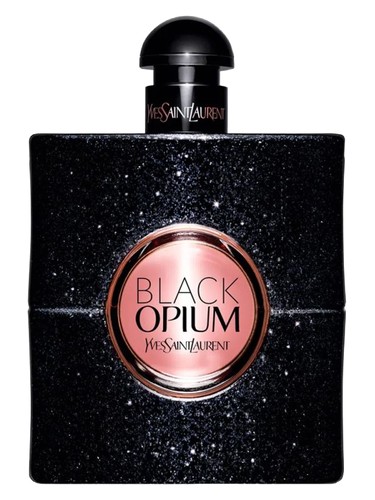
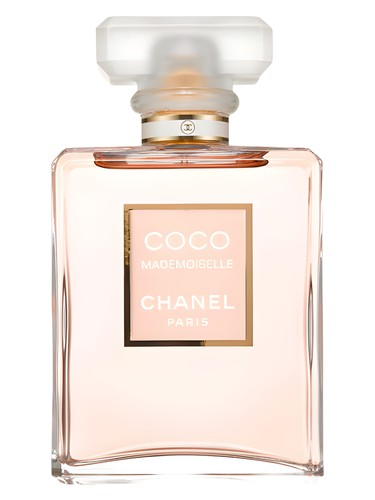
Romeo di Romeo Gigli sits in distinguished company among late-''80s and early-''90s powerhouses. Its listed similarities include Boucheron by Boucheron, Fidji by Guy Laroche, Amarige by Givenchy, Coco by Chanel, and Paris by Yves Saint Laurent—all fragrances that share a certain unapologetic maximalism and complex floral structures. Where Romeo distinguishes itself is in that aromatic-citrus opening with its unusual inclusion of asafoetida and marigold, giving it a more unconventional, herbaceous character than its peers. While Amarige leans sweeter and Coco more opulent, Romeo maintains an almost Mediterranean freshness throughout its development.
The Bottom Line
With a 4.15/5 rating from 410 votes, Romeo di Romeo Gigli has earned its place among well-regarded vintage fragrances, even if it hasn''t achieved household-name status. This is a perfume for the curious, the collectors, and those who appreciate fragrance as time capsule and art form. It''s not an easy wear—that asafoetida note, the powerful projection, the uncompromising character—but for those drawn to distinctive, era-defining scents, it offers something genuinely special.
Value is difficult to assess given its vintage status and limited availability, but for collectors seeking an authentic slice of 1989 Italian luxury, it''s worth pursuing. Should you try it? Absolutely, if you appreciate unconventional compositions and have a soft spot for boldly aromatic florals. Skip it if you prefer modern minimalism or safe, office-friendly scents. Romeo di Romeo Gigli knows exactly what it is—a gilded enigma that refuses to apologize for its strangeness.
AI-generated editorial review