First Impressions
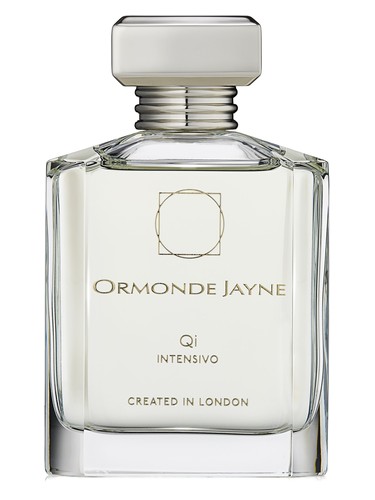
The first spray of Qi releases a crystalline burst of citrus petals and white florals that feels less like a traditional perfume opening and more like stepping into a conservatory at dawn. The lemon blossom arrives with neroli and freesia in tow, creating an immediate impression of luminosity—bright without being sharp, fresh without veering into detergent territory. There''s an almost aqueous quality to this introduction, as if the flowers are still wet with morning dew. It''s the kind of opening that makes you pause and take a second breath, searching for something just beyond the obvious prettiness. That something reveals itself quickly: a distinct greenness that threads through the florals like silk through a needle''s eye.
The Scent Profile
As Qi settles into its heart, the composition reveals its true character. This is where osmanthus takes center stage, that peculiar flower that defies easy categorization—simultaneously fruity, leathery, woody, and floral. Here, Ormonde Jayne has chosen to emphasize its apricot-like facets, allowing the osmanthus to dance with tea notes and hedione in a trio that feels both ethereal and grounded. The rose and violet provide supporting roles rather than demanding attention, their presence felt more as texture than as distinct voices. This restraint is admirable; many perfumers would have been tempted to amplify these classic notes, but Qi maintains its focus on that unusual osmanthus-tea pairing.
The hedione deserves special mention—this synthetic molecule adds a radiant, slightly transparent quality that expands the fragrance''s presence without adding weight. It''s the difference between watercolor and oil paint, allowing the florals to breathe and shimmer rather than saturate.
The base notes introduce an unexpected earthy sophistication. Mate appears alongside moss, creating a green foundation that echoes the opening''s verdant quality while adding depth. The musk, benzoin, and myrrh form a soft, resinous bed that prevents the fragrance from floating away entirely. This isn''t the heavy, incense-laden base you might expect from those ingredients; instead, they''re whispered rather than declared, providing just enough grounding to remind you that despite all its lightness, Qi has substance.
Character & Occasion
The data tells a clear story: Qi is a warm-weather fragrance with a decisive preference for daylight hours. Spring claims it entirely (100%), with summer following close behind at 92%. This makes perfect sense when you consider the composition—those green-floral accords sing in warmth without wilting in heat. The 92% day versus 23% night split reinforces what your nose already knows: this is a fragrance for sunlit hours, for garden parties and outdoor lunches, for professional settings where you want to smell polished but not overbearing.
Fall and winter see significantly less enthusiasm (36% and 18% respectively), and it''s easy to understand why. Qi doesn''t have the richness or projection that cold weather seems to demand. Wearing it during cooler months would be like hanging watercolors in a library that calls for oil paintings—not wrong, necessarily, but perhaps not ideally suited to the environment.
The feminine classification fits the aesthetic, though the tea and moss elements provide enough androgyny that confident wearers of any gender could claim it. This is a fragrance for those who appreciate subtlety, who view perfume as an extension of personal style rather than an announcement of arrival.
Community Verdict
Interestingly, the Reddit fragrance community provided limited specific discussion of Qi in the available data, with conversations instead gravitating toward other tea fragrances from various houses. This absence of strong opinions—neither passionate advocacy nor vocal criticism—might itself be telling. With a neutral sentiment score, Qi appears to occupy that middle ground of perfectly pleasant fragrances that don''t inspire fervent devotion or dramatic disappointment.
The 3.9 out of 5 rating from 484 voters supports this interpretation. It''s a solid, respectable score that suggests competence and quality without breakthrough brilliance. Nearly 500 people cared enough to rate it, but the community conversation hasn''t elevated it to must-try status within the broader Ormonde Jayne lineup or the tea-fragrance category.
How It Compares
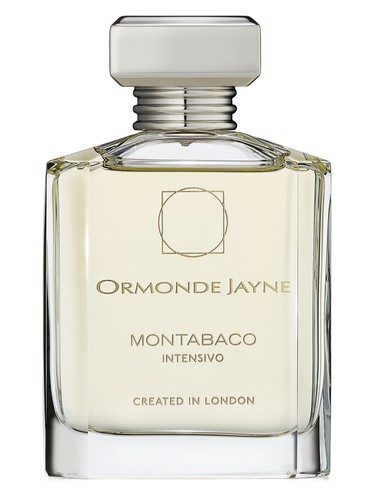
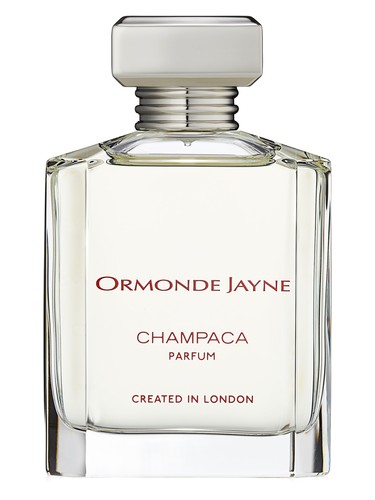
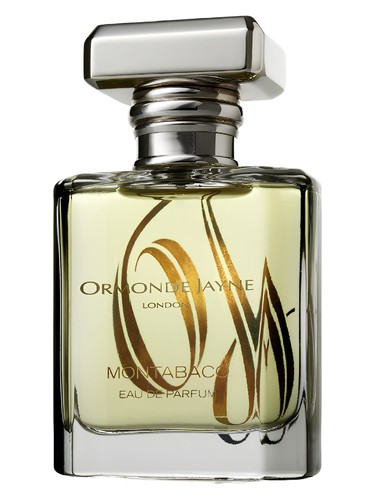
Qi sits within a constellation of Ormonde Jayne florals, sharing DNA with Osmanthus, Champaca, Frangipani, and even the more tobacco-forward Montabaco. The house clearly has a signature approach to floral compositions—that emphasis on naturalism, the careful layering of supporting notes, the avoidance of synthetic overload. Outside the brand, its similarity to Amouage''s Sunshine Woman places it in good company, suggesting a shared aesthetic of sophisticated, ingredient-focused florals.
Within the osmanthus category specifically, Qi takes a greener, more transparent approach than many competitors. Where some osmanthus fragrances lean into the note''s leather or woody aspects, Qi emphasizes its fruity-floral dimensions, creating something more spring garden than autumn study.
The Bottom Line
Qi earns its 3.9 rating honestly—it''s a well-crafted, wearable fragrance that does exactly what it sets out to do. The question becomes whether what it sets out to do aligns with what you''re seeking. If you''re drawn to subtle, green-floral compositions that prioritize elegance over impact, that wear like a second skin rather than a statement piece, Qi deserves your attention. It''s the fragrance equivalent of a perfectly cut linen shirt: understated, appropriate for countless occasions, and quietly expensive-smelling.
However, if you prefer perfumes with more projection, stronger personality, or cold-weather versatility, Qi may feel too polite, too restrained. This isn''t a criticism—just a matter of matching fragrance character to personal preference. At its price point, Ormonde Jayne delivers quality ingredients and thoughtful composition, but you''re paying for refinement rather than uniqueness. Consider exploring samples alongside the brand''s other florals to determine where your preferences land within their carefully curated aesthetic.
AI-generated editorial review