First Impressions
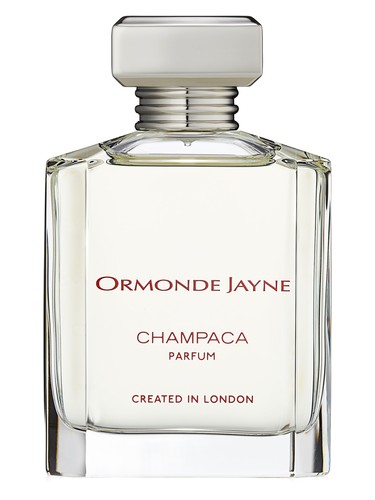
The first spritz of Champaca delivers something unexpected: not the heady, narcotic richness you might anticipate from its namesake flower, but rather a whisper of verdant restraint. Bamboo and neroli create an almost aqueous opening, while pink pepper adds a subtle sparkle—like sunlight filtering through a grove of swaying stems. This is a floral that announces itself not with theatrical flourish but with a confident quietness, a green-tinged sweetness that feels both exotic and approachable. It''s the olfactory equivalent of silk against skin: undeniably luxurious, yet somehow effortless.
The Scent Profile
Champaca''s architecture reveals itself in gentle waves rather than dramatic shifts. The opening trio of bamboo, neroli, and pink pepper establishes a foundation that''s remarkably fresh and verdant. The bamboo note—a somewhat unusual inclusion in perfumery—lends an almost mineral quality, a clean crispness that prevents the composition from tilting into conventional floral territory. Neroli provides citrus brightness without sharpness, while pink pepper contributes a delicate spice that enhances rather than dominates.
As the fragrance settles into its heart, the champaca emerges alongside freesia and an intriguing rice accord. Here''s where the fragrance earns its name, though not in the way you might expect. The champaca—a creamy, magnolia-like flower—doesn''t overwhelm; instead, it weaves through the composition with graceful presence. The rice note is particularly fascinating, adding a subtle powdery-milky texture that softens the floral elements while maintaining an air of sophistication. Freesia contributes its characteristic soapy-clean quality, reinforcing the fragrance''s polished daylight character.
The base is where Champaca most clearly reveals its niche heritage. Green tea, musk, and myrrh create a foundation that''s simultaneously fresh and grounded. The green tea extends the verdant theme from opening to close, while musk provides gentle warmth without heaviness. Myrrh—often resinous and somber—appears here in its lighter manifestation, adding depth and a whisper of incense that prevents the fragrance from becoming too airy or forgettable.
Character & Occasion
The data tells a clear story: Champaca is overwhelmingly a spring fragrance, scoring 100% for the season, with summer close behind at 85%. This makes perfect sense given its green-floral character and fresh disposition. Fall and winter wear drop dramatically to 34% and 17% respectively, confirming that this is a fragrance designed for warmth and daylight. Indeed, the day/night split is decisive—92% day versus just 19% night—positioning Champaca firmly in the realm of daytime elegance rather than evening drama.
This is a fragrance for the woman who appreciates subtlety over statement, who wants to smell expensive without announcing it. Picture brunch meetings, garden parties, art gallery openings, weekend getaways to boutique hotels. It''s refined enough for professional settings yet personal enough for intimate gatherings. The predominantly floral accord (100%) balanced with sweet (45%), musky (40%), and green (34%) elements creates a scent profile that feels polished rather than edgy—comfort zone territory for those who gravitate toward elegant florals with modern sensibilities.
Community Verdict
Here''s where things get interesting. With a solid 3.94 out of 5 rating from 1,394 voters and a positive sentiment score of 7.5 out of 10 from Reddit''s fragrance community, Champaca earns respect—but with notable caveats. The pattern that emerges from 66 community opinions reveals a fascinating divide.
On the pro side, those who truly connect with Champaca become devoted advocates. The fragrance boasts excellent longevity and performance, with at least one user reporting they loved it enough to finish an entire bottle—no small feat in a community where collectors often rotate through dozens of fragrances. It''s praised for its unique and distinctive scent profile, particularly among personal collection builders who value year-round wearability.
However, the cons reveal an intriguing paradox: some feel Champaca lacks the uniqueness expected from Ormonde Jayne, a brand known for distinctive, often bold compositions. For certain niche fragrance enthusiasts, it doesn''t stand out sufficiently in a crowded market. This suggests that Champaca might be a victim of high expectations—loved by those who wear it regularly, but potentially underwhelming to those seeking immediate "wow" factor or obvious differentiation.
How It Compares
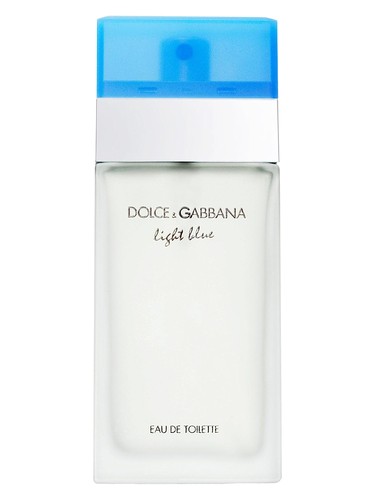
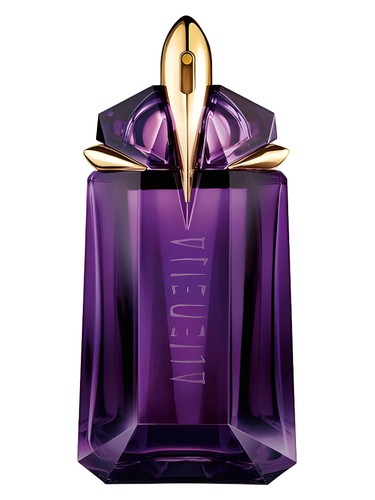
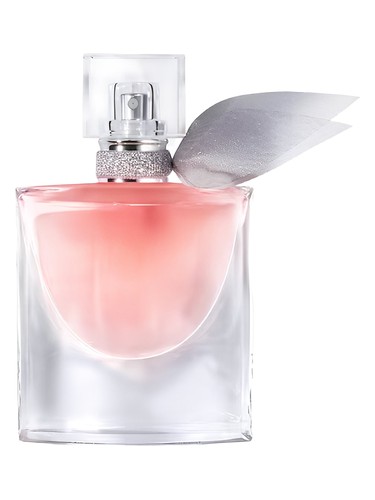
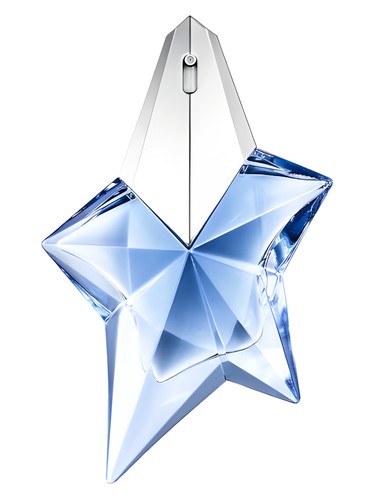
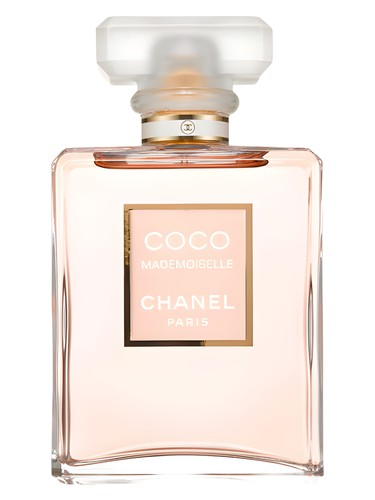
The similar fragrances list places Champaca in sophisticated company: La Tulipe by Byredo, Frangipani by Ormonde Jayne, Delina by Parfums de Marly, Un Jardin Sur Le Nil by Hermès, and Sunshine Woman by Amouage. This comparison set reveals Champaca''s position in the elegant, refined floral category—fragrances that prioritize wearability and sophistication over confrontational originality.
Compared to the crisp greenness of Un Jardin Sur Le Nil or the sweeter floral opulence of Delina, Champaca occupies a middle ground—less austere than the former, less overtly romantic than the latter. Its bamboo and green tea elements give it an edge of modernity that distinguishes it from more traditional white florals, while the champaca and rice notes prevent it from becoming too minimalist or abstract.
The Bottom Line
Champaca represents a particular philosophy in perfumery: restraint as luxury, subtlety as strength. At over two decades since its 2002 release, it has clearly found its audience, though perhaps not the universal acclaim some might expect from a niche house with Ormonde Jayne''s reputation.
The question becomes: what are you seeking? If you want a fragrance that announces itself boldly, that turns heads and sparks immediate conversation, Champaca may disappoint. But if you value a refined, sophisticated floral that performs beautifully through spring and summer days, that garners quiet compliments rather than loud reactions, that becomes more compelling with familiarity—then Champaca deserves serious consideration.
Its 3.94 rating reflects exactly what it is: a very good fragrance that won''t be everyone''s favorite, but becomes indispensable to those it suits. The real endorsement isn''t the score—it''s the person who wore through an entire bottle.
AI-generated editorial review