First Impressions
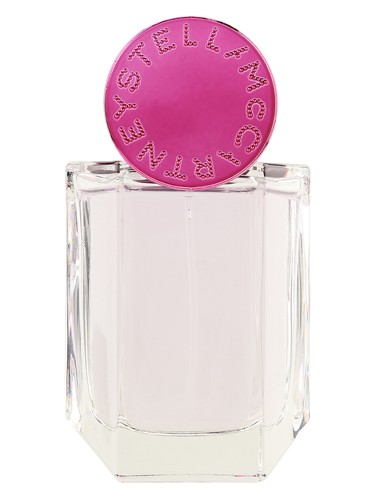
The first spray of Pop is arrestingly verdant—an unexpected greeting that subverts every expectation of what a contemporary floral should be. Tomato leaf and violet leaf converge in an almost shockingly green opening, their crisp, slightly metallic freshness punctuated by the sunny zest of green mandarin. This isn''t the polite, rose-garden introduction typical of mainstream florals. Instead, it''s the scent of crushed stems and dewy leaves, of walking through a kitchen garden in early morning when everything still glistens with possibility. There''s an optimistic energy here that lives up to the fragrance''s name—youthful without being juvenile, bright without being simple.
The Scent Profile
That unconventional opening evolves with surprising grace as tuberose and frangipani emerge at the heart. The tuberose here is substantial—registering at 88% in the accord profile—but Pop presents it in a softer, more approachable incarnation than the creamy, narcotic versions found in heavier white florals. The green foundation established by those tomato and violet leaves keeps the tuberose tethered to the garden rather than letting it drift into opulent abstraction. Frangipani adds a delicate sweetness, while violet introduces that characteristic powdery quality that registers at 83% in the overall composition.
This powderiness is crucial to Pop''s character. It softens the green assertiveness of the opening and tempers the tuberose''s natural intensity, creating a balanced middle phase that feels simultaneously vintage-inspired and thoroughly modern. The floral accord dominates at 100%, but it''s a floral built on contrasts—the coolness of violet against the warmth of tuberose, the vegetal sharpness of leaves against the petal-soft sweetness of tropical flowers.
As the fragrance settles into its base, musk, sandalwood, and cedar provide a subtle woody framework. These notes don''t announce themselves dramatically; instead, they create a clean, skin-like finish that allows the floral and green elements to remain present for hours. The sandalwood brings a gentle creaminess, while cedar adds structure without weight. The musk ties everything together with that modern, laundry-fresh cleanliness that characterizes so many contemporary fragrances.
Character & Occasion
The data doesn''t lie: this is a daytime fragrance through and through, with 100% day suitability compared to a mere 14% for evening wear. Pop thrives in natural light, in situations where its green brightness and floral optimism can fully express themselves. Spring claims the highest seasonal rating at 92%, with summer following closely at 77%. This makes perfect sense—Pop captures that intersection of seasons when gardens are in full bloom but the air still carries a fresh coolness.
The fall and winter ratings drop dramatically (19% and 14% respectively), and wearing Pop in colder months would likely feel as incongruous as wearing a sundress to a holiday party. This is a fragrance that needs warmth and light to come alive properly.
The dominant aromatic and citrus accords (76% and 77%) position Pop as an active, energetic fragrance—perfect for brunch dates, outdoor gatherings, office wear when you want to project approachability, or weekend errands when you still want to feel put-together. It''s feminine without being delicate, distinctive without being challenging.
Community Verdict
The Reddit fragrance community''s response reveals an interesting disconnect between the official data and lived experience. While the overall sentiment scores a strong 8.5/10 based on 66 opinions, the commentary focuses on attributes not immediately apparent from the note pyramid. Community members rave about "excellent longevity and projection (12+ hours reported)" and praise a "unique gunpowder note" that creates a "dark, seductive" character ideal for "cold weather and fall/winter wear."
This seems to describe an entirely different fragrance than what the seasonal data suggests. The polarizing sweetness mentioned—with some finding it "too sugary" while others don''t detect it at all—might explain this divergence. Perhaps Pop performs differently on different skin chemistries, or perhaps there''s confusion with another fragrance in the Stella McCartney lineup.
What''s consistent is the praise for value ("great when purchased on sale") and the acknowledgment that while the premium price point exists, it may not feel justified to all wearers. The fragrance clearly has devoted fans who appreciate its distinctive profile, even if consensus on exactly what that profile entails remains elusive.
How It Comparisons
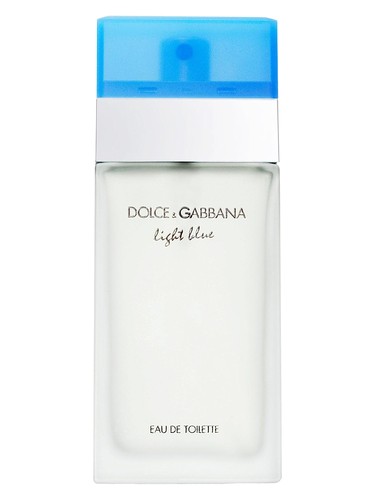
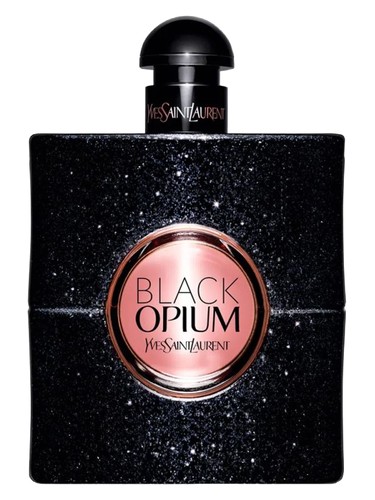
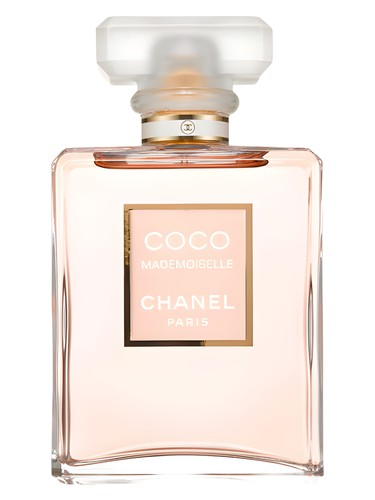
Pop finds itself in illustrious company among the similar fragrances listed: Chance Eau Tendre, J''adore, Flowerbomb, Light Blue, and Bright Crystal. These are the heavy-hitters of contemporary feminine fragrance—accessible luxury scents that dominate department store counters. What distinguishes Pop in this lineup is that unconventional green opening. While Light Blue plays with citrus and J''adore explores florals more traditionally, Pop''s tomato leaf note adds an unexpected edge that sets it apart from its more conventional competitors.
It sits in that sweet spot between niche quirky and mass-market safe—interesting enough for fragrance lovers seeking something distinctive, but wearable enough for those just beginning to explore beyond celebrity scents.
The Bottom Line
With a rating of 3.73 out of 5 from 972 voters, Pop lands solidly in "good but not universally beloved" territory. This isn''t a safe crowd-pleaser like some of its competitors, and that''s precisely where its appeal lies for the right wearer. If you''re drawn to green florals, appreciate unconventional openings, and spend your fragrance-wearing hours in spring and summer daylight, Pop deserves your attention.
The price should ideally be a consideration—wait for sales or gift sets to maximize value. And if you''re someone who primarily wears fragrance in evening settings or during colder months, look elsewhere. But for those seeking a bright, optimistic floral with enough character to stand out from the crowd, Pop delivers exactly what its name promises: a burst of joyful, green-tinged color in a market often dominated by sweeter, safer choices.
AI-generated editorial review