First Impressions
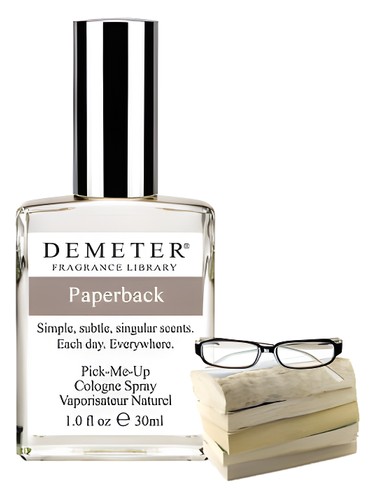
The first spray of Paperback is an act of olfactory time travel. There''s something immediately recognizable yet impossible to place—until suddenly, you''re thirteen again, running your fingers along the spines in a second-hand bookstore, or curled up in a library corner where the heating system hums and dust motes dance in afternoon light. Demeter has built its reputation on capturing singular, often overlooked scents, and Paperback delivers exactly what its name promises: the dry, slightly sweet, faintly vanilla-tinged smell of aged paper and binding glue. It''s nostalgic without being sentimental, strange without being unwearable, and utterly committed to its concept in a way that feels both audacious and oddly intimate.
This isn''t a fragrance that announces itself with bombastic florals or seductive musks. Instead, it whispers. It suggests. It asks you to lean in closer and remember what it felt like to crack open a book you found in your grandmother''s attic, its pages yellowed and fragile, holding stories and marginalia from decades past.
The Scent Profile
Here''s where Paperback becomes genuinely fascinating—and frustrating for traditional perfume analysis. The fragrance doesn''t follow conventional pyramid structures because it isn''t trying to. There are no disclosed top, heart, or base notes in the technical sense, no bergamot giving way to jasmine settling into sandalwood. This is a linear fragrance, meaning what you smell in the first five minutes remains largely unchanged hours later.
What you get is paper. Not crisp printer paper or cardstock, but the particular aroma of books that have lived—slightly musty, with undertones of vanilla from degrading lignin in wood pulp, hints of something almost almond-like, and a dustiness that isn''t unpleasant but rather comforting. There''s a subtle sweetness, the ghost of old glue and binding materials, and occasionally something that reads as faintly earthy or woody, like the shelves themselves have contributed their character.
The genius—and the limitation—is in this singular focus. Paperback evolves only minimally on the skin, maintaining its bookish character from opening to fadeout. Some will find this meditative and wearable; others may wish for more complexity or development. The sillage is intimate, staying close to the skin, which feels appropriate for a scent so introspective and personal.
Character & Occasion
The community consensus is clear: Paperback is an autumn soul. With 100% of wearers favoring fall, this is a fragrance for crisp air, wool sweaters, and the slow retreat indoors as daylight dwindles. Winter claims 55% of the vote, which makes perfect sense—there''s something about Paperback that pairs beautifully with cold-weather introspection, library afternoons, and the cozy isolation of reading season.
Spring and summer barely register, garnering only 26% and 16% respectively. This isn''t a fragrance for sunshine and open windows; it craves the indoor world, the quiet spaces, the contemplative moments.
The day versus night split (67% day, 42% night) suggests surprising versatility within its niche. It works as an unconventional office scent for those in creative or academic fields, a perfect companion for coffee shop work sessions, or an evening fragrance for gallery openings and quiet dinners. It''s marketed as feminine, but its cerebral, non-floral character makes it genuinely unisex for anyone drawn to literary aesthetics.
This is a fragrance for readers, writers, librarians, and antiquarians. It''s for people who find the smell of old books comforting rather than off-putting, who understand that nostalgia can be worn as well as felt.
Community Verdict
With 392 votes landing at a 3.6 out of 5 rating, Paperback occupies interesting territory. This isn''t a crowd-pleaser in the traditional sense—it will never compete with mainstream bestsellers—but its rating reflects genuine appreciation from those who understand what it''s trying to do. The score suggests a fragrance that delivers on its promise but won''t convert skeptics. If you''re intrigued by the concept, you''ll likely enjoy the execution. If you prefer traditional perfumery, this will feel odd at best, unwearable at worst.
The relatively high vote count for such an unusual concept indicates a devoted following. These aren''t casual samplers but people actively seeking out niche, conceptual fragrances. Paperback has found its audience, even if that audience remains specialized.
How It Compares
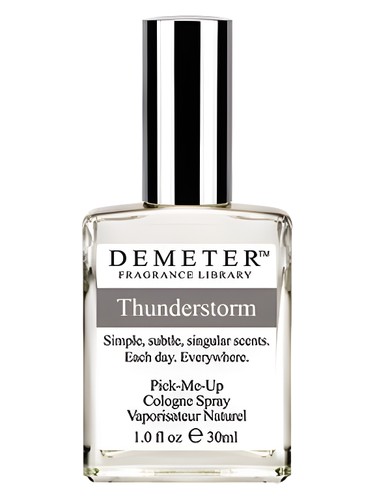
The suggested similarities to fragrances like Alien, Black Orchid, and Hypnotic Poison initially seem baffling—until you consider that these comparisons likely reflect shared context rather than actual scent profiles. Demeter''s own Thunderstorm appears as a companion, which makes sense within the brand''s conceptual catalog. By the Fireplace by Maison Martin Margiela offers perhaps the most legitimate comparison: both capture specific atmospheric memories and prioritize concept over conventional beauty.
Where Paperback distinguishes itself is in its unwavering commitment to a single idea. It doesn''t try to be pretty or seductive. It simply wants to smell like books, and it succeeds completely.
The Bottom Line
Paperback is a fragrance that knows exactly what it is and makes no apologies. At its accessible price point (typical for Demeter), it''s worth exploring as a layering piece or as an occasional scent for specific moods and settings. The 3.6 rating accurately reflects its niche appeal—this will never be everyone''s taste, and that''s precisely the point.
Should you try it? If you''ve ever buried your face in an old book just to inhale, absolutely. If you collect vintage paperbacks or haunt used bookstores, consider it essential. If you prefer your fragrances traditionally beautiful, elegant, or complex, skip it. Paperback isn''t trying to win you over with seduction or sophistication. It''s offering something rarer: olfactory honesty, a scent memory captured and bottled with peculiar precision. For the right wearer, that''s worth far more than mass appeal.
AI-generated editorial review