First Impressions
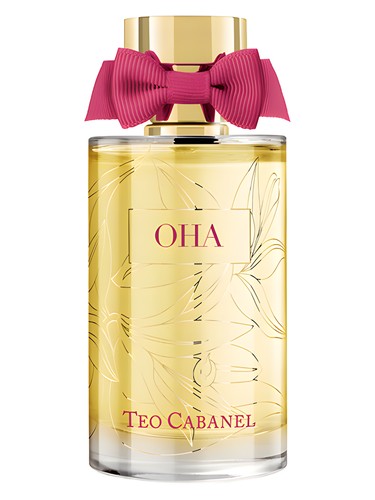
The first spritz of Oha delivers an unexpected greeting—not the full-throated rose one might anticipate from a composition so thoroughly dominated by this classic note, but rather a contemplative introduction of tea steeped with bergamot. There''s a brevity to this opening, a sense of something refined being unveiled slowly. The tea note feels neither green nor smoky, but perfectly centered—a gentleman''s afternoon Earl Grey perhaps, served in porcelain with the bergamot oil still glistening on the surface. It''s an elegant misdirection, preparing you for the rose that inevitably follows, but ensuring you approach it with the proper reverence.
The Scent Profile
Oha''s evolution tells the story of a rose that refuses to stand alone. As the tea and bergamot recede—and they do so with grace rather than haste—the heart reveals itself as a triptych of floral and spice. The rose takes center stage, naturally, given its complete dominance in the accord structure, but it''s far from a simple botanical portrait. This is rose rendered in warm, slightly mysterious tones, flanked by cardamom''s resinous bite and jasmine''s indolic sweetness.
The cardamom proves crucial here, contributing to that substantial 61% warm spicy accord that gives Oha its distinctive character. It provides a gentle heat, the kind that radiates from within rather than exploding on contact. The jasmine, meanwhile, adds depth and a touch of the exotic without overwhelming the composition''s essential rosiness. This heart phase is where Oha truly lives—it''s the longest act in this olfactory performance, and the most rewarding.
The base brings complexity through restraint. Woody notes form the foundation, accounting for that 53% woody accord, while iris lends its characteristic powdery quality (reflected in the 45% powdery accord). But this isn''t the face-powder sweetness of vintage cosmetics—it''s more subtle, more refined. The musk provides skin-like warmth, while tonka bean and vanilla add just enough sweetness to balance the composition without tipping it into gourmand territory. The result is a base that feels simultaneously classic and quietly modern, familiar yet distinctive.
Character & Occasion
Oha reveals itself as a creature of the transitional seasons, reaching its fullest expression in fall, where it achieves perfect harmony with crisp air and changing leaves. Its 74% spring rating suggests it also thrives in that season''s temperate embrace, while its winter viability (63%) confirms its warming capabilities. Summer, at 40%, is clearly not its natural habitat—this is a fragrance that needs some atmospheric cooperation to truly sing.
The day and night ratings tell an interesting story: 83% for day versus 77% for night suggests remarkable versatility, but also hints at Oha''s true nature as a daytime fragrance that can transition into evening wear without difficulty. It lacks the bombastic projection needed for crowded nighttime venues, but for intimate dinners or cultural events, it''s more than capable.
This is decidedly a fragrance for those who appreciate subtlety and construction over immediate impact. The woman who wears Oha understands that presence doesn''t require volume. She''s comfortable with references to perfumery''s golden age—those similar fragrances like Guerlain''s Samsara and L''Heure Bleue aren''t coincidental—but she''s not trying to recreate the past wholesale.
Community Verdict
With 528 votes landing at 3.69 out of 5, Oha occupies interesting territory. This isn''t a polarizing fragrance that inspires extreme reactions in either direction; rather, it''s one that earns solid appreciation from those who encounter it. The rating suggests a well-constructed, enjoyable fragrance that may not revolutionize your collection but certainly deserves its place within it.
That score, hovering near but not quite reaching 4, tells us something important: Oha is a fragrance that rewards those who seek it out, but it may not convert skeptics of classic rose compositions. It''s too refined to be boring, but perhaps too refined to be thrilling.
How It Compares
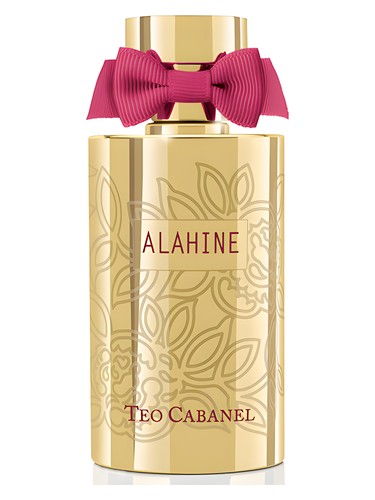
The company Oha keeps is revealing. Amouage''s Lyric Woman shares that rose-forward opulence, though with more oriental heft. Chanel''s Coco Eau de Parfum and the Guerlain classics (L''Heure Bleue and Samsara) point to Oha''s lineage—it''s clearly drawing from the same wellspring of French perfumery tradition. Even its stablemate, Alahine, appears in this constellation of sophisticated florals.
Where Oha distinguishes itself is in that opening tea accord and the restrained use of spice. It feels less baroque than Lyric, less heavy than Samsara, more approachable than L''Heure Bleue''s sometimes austere violet-anise character. Teo Cabanel has created something that honors tradition without being imprisoned by it.
The Bottom Line
Oha represents Teo Cabanel''s house style at its most confident: impeccably constructed, resolutely elegant, and quietly insistent on quality over trend. At 3.69 out of 5, it''s not achieving universal adoration, but perfume doesn''t need to be everyone''s favorite to be worth your time. This is a fragrance for those moments when you want to feel polished without feeling overdressed, memorable without being loud.
Should you try it? If you''ve ever felt that modern rose fragrances were either too sharp or too sweet, if you appreciate the architecture of classic French perfumery but want something slightly less well-known, if you value longevity and development over immediate impact—then yes, absolutely. Oha isn''t trying to convert you to rose; it assumes you already appreciate what this most noble of flowers can do. It simply wants to show you another way to wear it.
AI-generated editorial review