First Impressions
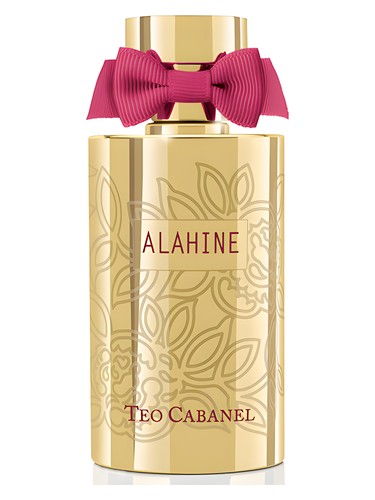
The first spray of Alahine reveals its intentions immediately: this is amber perfumery executed with classical precision and zero apologies. Ylang-ylang unfurls alongside bright bergamot, creating an opening that''s both creamy-tropical and citrus-sharp. There''s nothing timid here, no modern minimalism or whispered restraint. Instead, Teo Cabanel—a revived Parisian house with roots stretching back to 1896—presents a fragrance that speaks the language of old-world perfumery with fluent confidence. Within moments, you understand you''re wearing something substantial, something that will announce your presence before you do.
The Scent Profile
Alahine''s architecture follows traditional perfumery construction, allowing each layer to emerge and transform over hours of wear. Those opening notes of ylang-ylang and bergamot provide just enough lift to keep the composition from landing too heavily, but they''re brief—a courtesy introduction before the real performance begins.
The heart is where complexity builds. Pepper adds bite and prevents the florals from turning saccharine, while rose and jasmine provide depth and a touch of indolic richness. Orange blossom contributes a neroli-like brightness that keeps the middle phase from collapsing into monotony. This isn''t a floral fragrance by any stretch—the flowers serve the amber, not the other way around—but they''re crucial in creating dimensional warmth rather than flat sweetness.
The base is a masterclass in ambery-woody composition. French labdanum and benzoin form the resinous backbone, delivering that characteristic amber glow—sticky, slightly animalic, radiating warmth. Vanilla sweetens without dominating, while sandalwood adds creamy woodiness. Patchouli grounds everything with its earthy, slightly mossy character, and iris contributes a powdery facet that softens the edges. Musk in the foundation provides longevity and keeps the composition close to the skin as it dries down.
What''s remarkable is how thoroughly amber dominates—the data shows it at 100% of the accord profile, with woody notes at 82% and warm spice at 64%. This isn''t a fragrance that tries to be many things. It knows exactly what it is: a full-throated amber oriental with supporting players that enhance rather than compete.
Character & Occasion
The numbers tell a clear story about Alahine''s ideal habitat: this is a cool-weather fragrance that thrives in fall and winter (100% and 93% suitability respectively). Attempting this in summer heat would be like wearing velvet in August—technically possible, but inadvisable. Spring wear is marginal at best (35%), though a light hand on mild days could work.
Interestingly, while Alahine performs admirably during daylight hours (72%), it truly comes alive after dark (88%). This makes perfect sense given its rich, enveloping character. During the day, it provides sophisticated warmth for professional settings or refined casual wear. But evening is when Alahine reveals its full seductive potential—dinner reservations, theater openings, intimate gatherings where you want to leave an impression that lingers after you''ve left the room.
This is unambiguously feminine perfumery, but not in a delicate or girlish way. Alahine suits women who are comfortable with presence, who appreciate classic luxury, and who don''t need their fragrance to whisper when it can speak clearly.
Community Verdict
With a solid 3.89 out of 5 rating from 762 voters, Alahine occupies interesting territory. This isn''t universal adoration—and that''s actually a good sign. Polarizing fragrances are often the most interesting ones, and amber orientals naturally divide audiences. Those who love them are passionate devotees; those who don''t will find them too heavy, too sweet, or too old-fashioned.
The rating suggests a fragrance that rewards those who seek it out rather than appealing to everyone who happens upon it. For a niche house like Teo Cabanel, which lacks the marketing muscle of LVMH or Estée Lauder, this kind of rating from over 700 people indicates genuine word-of-mouth appreciation. These are votes from people who went looking for quality, not from casual samplers at department store counters.
How It Compares
The comparison list reads like a who''s-who of legendary amber and oriental fragrances: Chanel''s Coromandel and Coco, Guerlain''s Samsara and Shalimar, Amouage''s Lyric Woman. This company alone tells you what Alahine is reaching for, and remarkably, it holds its own.
Compared to Shalimar, Alahine is less powdery and less overtly animalic. Next to Coromandel, it''s warmer and less incense-focused. Against Coco''s spicy opulence, Alahine feels slightly more restrained, though that''s relative—neither fragrance does restraint by modern standards. What sets Alahine apart is its balance: it delivers classic amber richness without tipping into vintage mustiness or cloying sweetness.
The fact that a relatively obscure house can stand comparison with these giants speaks to both the quality of the composition and the unfortunate reality that marketing often matters more than merit in fragrance.
The Bottom Line
Alahine represents exactly what niche perfumery should be: excellent execution, clear creative vision, and quality materials presented without gimmicks or inflated mystique. It won''t convert amber-oriental skeptics, nor should it try. But for those who love this genre—who miss when perfumes had the confidence to be rich, warm, and substantial—Alahine delivers in full measure.
Is it perfect? The rating suggests it''s very good rather than transcendent, and that seems fair. It doesn''t reinvent amber perfumery; it simply does it extremely well. For many wearers, that''s exactly enough. If you''ve loved Shalimar but want something less ubiquitous, if Coromandel appeals but feels too expensive, or if you simply want to explore what a revived French heritage house can do when given proper resources, Alahine deserves your attention.
This is cold-weather luxury for those who appreciate perfumery''s classical traditions. Try it when the temperature drops and evening approaches. You might just discover your new amber addiction.
AI-generated editorial review