First Impressions
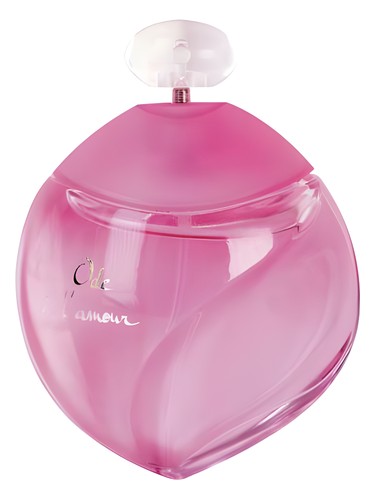
The first spray of Ode à l''amour announces itself with unabashed fruitiness—a trinity of plum, black currant, and apple that bursts forth like biting into ripe summer fruit at the height of the season. This is no subtle whisper; it''s a full-throated declaration, living up to its name with the kind of romantic exuberance that defined early 2000s feminine perfumery. The plum note dominates completely, its purple-hued sweetness so present you can almost taste the skin of the fruit between your teeth. There''s an immediacy here, a joyful lack of pretension that sets the tone for everything that follows.
The Scent Profile
What makes Ode à l''amour particularly interesting is how plum bookends the composition, appearing in both the opening and heart. This creates an unusual continuity—rather than the typical pyramid where notes neatly hand off to one another, this fragrance maintains its fruity core even as it evolves.
The transition from top to heart is seamless, as that signature plum persists while making room for ylang-ylang and rock rose. The ylang-ylang brings a creamy, slightly indolic floral character that softens the fruit''s sharper edges, while the rock rose adds an unexpected earthy-resinous quality. This isn''t the jammy rose you might expect in a fruity floral; instead, rock rose (cistus labdanum) contributes a warm, ambery-woody facet that begins hinting at the base notes to come.
The drydown reveals where Yves Rocher''s perfumers showed their hand most skillfully. Sandalwood, amber, and vanilla create a classic Oriental-leaning base that grounds all that exuberant fruit. The sandalwood provides creamy woodiness—accounting for that significant 40% woody accord reading—while amber adds warmth and resinous depth. Vanilla, predictably, sweetens the finale, though it''s tempered enough by the woods not to veer into dessert territory. The overall effect is a fragrance that begins as pure fruit cocktail and settles into something warmer, more substantial, more grown-up.
Character & Occasion
The data tells a compelling story about Ode à l''amour''s versatility. With spring leading at 69% suitability and winter close behind at 52%, this is clearly a fragrance that spans seasons more successfully than most fruity compositions. That woody-amber base gives it enough heft for cooler weather, while the bright fruit keeps it from feeling heavy in transitional seasons. Even summer registers at 46%—respectable for something this sweet.
The day-night split is even more revealing: 100% day versus just 30% night. This is unmistakably a daylight fragrance, best suited for casual wear, office environments, or afternoon errands. The fruity dominance (100% on the accord scale) ensures it never feels formal or sultry enough for evening sophistication. Think brunch with friends rather than candlelit dinners, Saturday market runs rather than cocktail hours.
This is a fragrance for someone who wants presence without pretension, sweetness without cloying intensity, warmth without heaviness. It speaks to the wearer who gravitates toward approachability and comfort over mystery and seduction.
Community Verdict
With 1,533 votes yielding a 3.6 out of 5 rating, Ode à l''amour sits comfortably in "very good" territory—not a unanimous masterpiece, but far from disappointing. This is the rating profile of a fragrance that knows exactly what it wants to be and delivers on that promise reliably. The substantial vote count suggests staying power and continued interest two decades after its 2001 release, no small feat in the rapidly churning fragrance market.
That 3.6 rating reflects honest appreciation rather than breathless adoration. It acknowledges that this isn''t groundbreaking perfumery, but it doesn''t need to be. It''s competent, pleasant, wearable—qualities that shouldn''t be dismissed in an industry often chasing novelty over reliability.
How It Compares
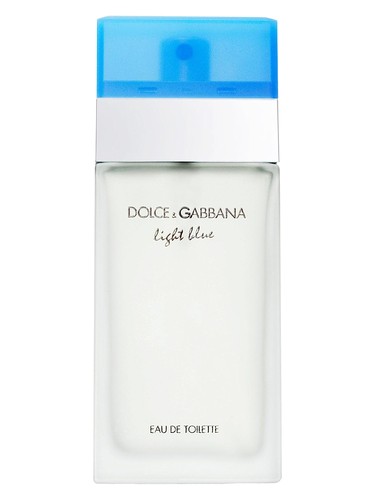
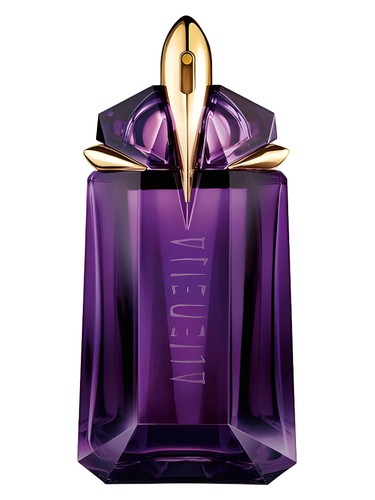
The listed similar fragrances reveal Ode à l''amour''s spiritual family: Amor Amor by Cacharel, Poison by Dior, Euphoria by Calvin Klein, Angel by Mugler, and Hypnotic Poison by Dior. These are the heavy-hitters of fruity-sweet-woody feminines from the late ''90s through mid-2000s.
Where Ode à l''amour distinguishes itself is in its accessibility—both in terms of price point and intensity. It shares Angel''s fruit-forward sweetness without the patchouli punch, echoes Amor Amor''s playful romanticism without quite the same red-fruit emphasis, and nods to the Poison family''s warmth without their notorious potency. This is the approachable cousin at the family reunion, easier to get along with if perhaps less memorable than the dramatic relatives.
The Bottom Line
Ode à l''amour won''t revolutionize your fragrance wardrobe, but it might become a reliable favorite you reach for more often than you''d expect. Its 3.6 rating accurately reflects its strengths: this is well-executed, pleasant perfumery that prioritizes wearability over avant-garde ambition.
For those new to fruity fragrances or seeking an affordable entry point to the woody-fruity-sweet category, this Yves Rocher offering delivers considerable value. The plum note is genuinely lovely, and that sandalwood-amber base provides enough sophistication to keep things interesting through the drydown.
Should you seek it out? If you loved early 2000s fruity perfumes but found many too intense, absolutely. If you want something cheerful and uncomplicated for daily wear across multiple seasons, certainly. If you''re looking for your signature scent or a showstopping evening fragrance, perhaps look elsewhere. But for a dependable, affordable, genuinely likeable perfume that does exactly what it promises, Ode à l''amour remains worth exploring over twenty years after its debut.
AI-generated editorial review